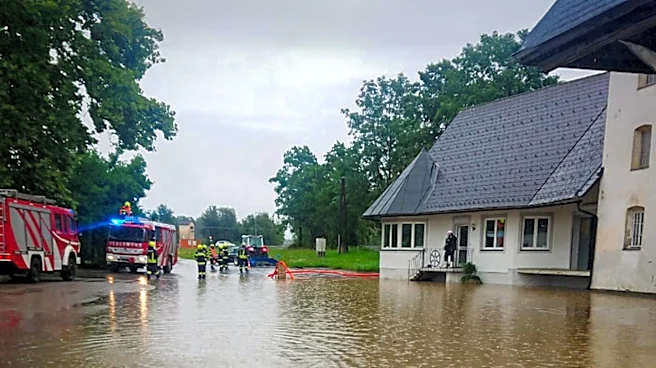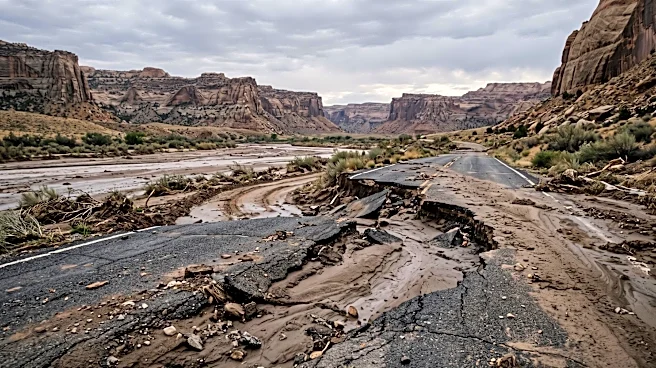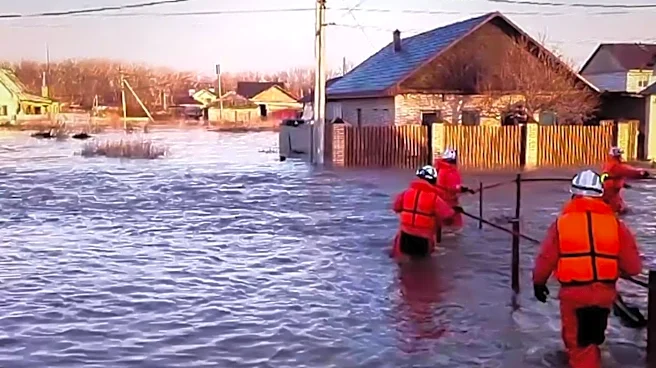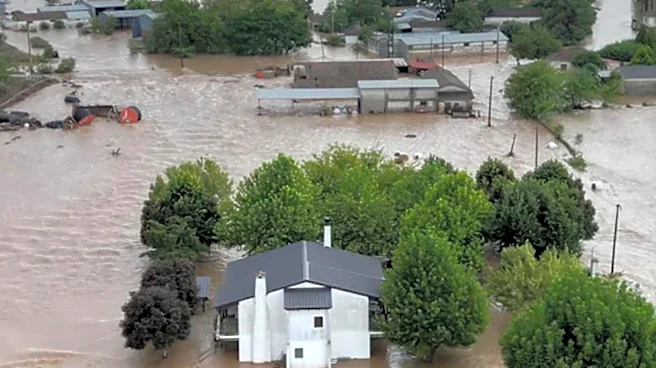

What's Happening?
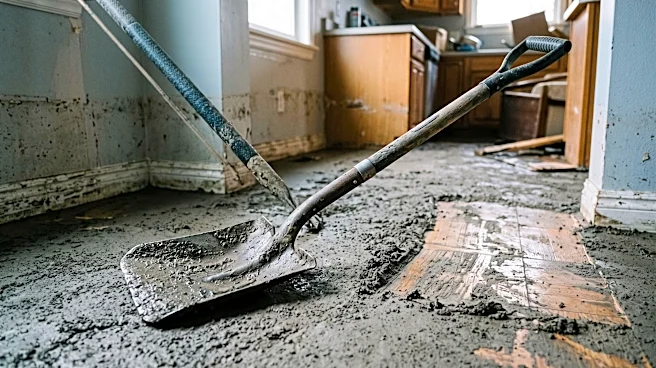
A comprehensive guide outlines the critical steps for removing mud and silt from flooded homes, emphasizing safety and efficiency. The primary recommendation is to remove mud while it is still wet, as dried
mud sets hard and is much more difficult to clear. Before starting, it is crucial to ensure the main electrical switch is off and to photograph every room for insurance purposes. Protective clothing, including rubber boots, gloves, and long trousers, is essential due to potential bacteria and mold spores in floodwater. The process involves working from the top of the house downwards and from the back towards the front door, pushing mud out of the house rather than into drains. Tools like shovels, wide squeegees, and buckets are used for bulk removal, followed by hoses or pressure washers for the remaining thin film. Crucially, floor traps and drains should be cleared last, only after all mud has been removed from the house, to prevent blockages.
Why It's Important?
Effective and safe mud and silt removal after a flood is paramount for public health, property preservation, and community resilience. Improper cleaning can lead to long-term issues such as structural damage, persistent mold growth, and health hazards from contaminated floodwaters, including wound infections and leptospirosis. The guide's emphasis on immediate action while mud is wet highlights the economic impact of delayed response, as dried mud significantly increases labor and resource costs for cleanup. For homeowners, following these steps can mitigate further damage and accelerate the recovery process, potentially reducing insurance claims and personal financial burdens. For communities, efficient cleanup prevents secondary problems like blocked drainage systems, which can exacerbate future flooding events. The advice also underscores the importance of safety protocols, protecting individuals involved in the cleanup from immediate and long-term health risks.
What's Next?
Following the initial mud and silt removal, the next critical steps involve disinfecting the house and ensuring it is thoroughly dried to prevent mold and mildew growth. This often requires specialized equipment like dehumidifiers and industrial fans. Homeowners will then need to assess and repair any structural damage, replace damaged materials like drywall and flooring, and address electrical and plumbing issues. Local authorities and relief organizations will likely continue to provide guidance and support for affected residents, including information on waste disposal, financial aid, and health advisories. The long-term recovery will also involve community-wide efforts to rebuild infrastructure and implement flood mitigation strategies to enhance resilience against future natural disasters. The experience gained from each flood event often informs updates to emergency preparedness and response protocols at local and national levels.
Beyond the Headlines
The detailed instructions for flood cleanup extend beyond mere practical advice, touching upon themes of disaster preparedness, community solidarity, and environmental considerations. The emphasis on photographing damage before cleanup highlights the bureaucratic and financial complexities of disaster recovery, where documentation is crucial for insurance claims and aid applications. The warning against hosing mud into drains underscores the interconnectedness of urban infrastructure and the potential for individual actions to have broader environmental consequences, such as overwhelming sewage systems and polluting waterways. Furthermore, the guide implicitly promotes community resilience by empowering individuals with actionable steps during a crisis, fostering a sense of agency in the face of overwhelming events. It also subtly educates on the nature of floodwaters, which are not just water but a mix of silt, sewage, and contaminants, reinforcing the need for caution and protective measures.