








What's Happening?
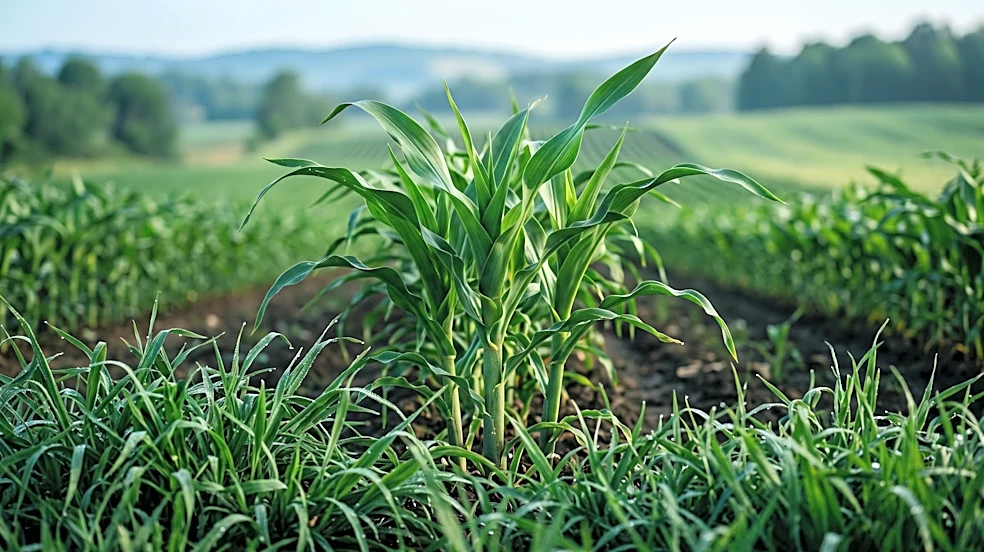
The University of New Hampshire (UNH) Extension is organizing a Corn and Forage Meeting, featuring various speakers who will discuss topics relevant to agricultural practices. Allen Wilder, an agronomist from the Miner Institute, will share insights from 50
years of experience with no-till farming and cover crops in the North Country, including their pros, cons, long-term soil effects, nutrient management, and herbicide programs. Nick Warren will provide an update on forage research projects at UNH, focusing on stand health, decline due to disease or weed pressures, and the impact of cutting height and harvest frequency. Additionally, Carl Majewski will address emerging weed issues in New Hampshire, specifically tall waterhemp and herbicide-resistant marestail, covering their identification, life cycles, and management options.
Why It's Important?
This meeting is crucial for farmers and agricultural professionals in New Hampshire and surrounding regions, as it addresses contemporary challenges and advancements in corn and forage production. The discussions on no-till and cover crops are vital for promoting sustainable farming practices, which can improve soil health, reduce erosion, and enhance environmental quality. Research on forage crop production directly impacts livestock farming, a significant component of the agricultural economy, by optimizing feed quality and quantity. Furthermore, the focus on emerging weed issues, such as herbicide-resistant marestail, is critical for maintaining crop yields and reducing reliance on chemical interventions, thereby affecting both economic viability and environmental stewardship in the agricultural sector.
What's Next?
Attendees of the Corn and Forage Meeting will gain practical knowledge and strategies to implement in their farming operations. The insights shared by experts like Allen Wilder, Nick Warren, and Carl Majewski will help farmers make informed decisions regarding crop management, pest control, and sustainable practices. The information on emerging weed issues will be particularly valuable for developing proactive management plans to prevent widespread infestations and minimize crop losses. The meeting also serves as a platform for networking and knowledge exchange among agricultural stakeholders, fostering a more resilient and informed farming community in the region.
Beyond the Headlines
The UNH Extension's initiative reflects a broader trend in agricultural education and outreach, emphasizing the importance of continuous learning and adaptation in farming. The topics covered, from no-till and cover crops to pest and disease management, are central to the ongoing efforts to make agriculture more sustainable and resilient in the face of environmental changes and evolving challenges. The focus on local and regional issues, such as specific weed problems in New Hampshire, highlights the tailored approach needed to address diverse agricultural landscapes. Such meetings play a critical role in bridging the gap between academic research and practical application, empowering farmers with the tools and knowledge necessary to thrive in a dynamic agricultural environment.