



What's Happening?
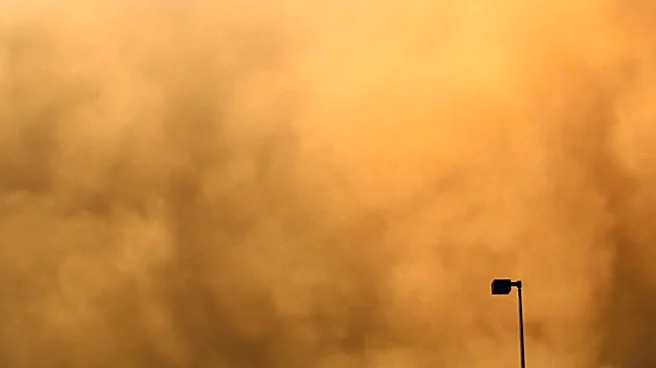
Phoenix is currently experiencing dust storms and isolated thunderstorms, leading to power outages and downed trees. A surge of moisture from the Gulf of California into southwest and central Arizona has increased thunderstorm activity statewide. A severe
thunderstorm warning was issued for the Phoenix Metro area and southern Arizona until 11 p.m. on Wednesday, accompanied by a blowing dust advisory for the Buckeye/Avondale, South Mountain/Ahwatukee, and Southeast Valley/Queen Creek areas from 5 p.m. to 10 p.m. The severe weather caused significant power disruptions, with SRP reporting approximately 17,000 customers without power in Maricopa County and over 1,000 in Pinal County. APS also reported nearly 12,000 customers without power in Maricopa County. In Gilbert, police noted that roadways were impacted by downed trees and debris, making driving conditions unsafe. These weather events are occurring amidst an ongoing extreme heat warning, with temperatures forecasted to remain in the 110-114 degree range until Sunday evening.
Why It's Important?
The combination of extreme heat, dust storms, and thunderstorms in Phoenix presents a critical public health and safety challenge. Power outages during extreme heat can be life-threatening, especially for vulnerable populations such as the elderly, young children, and those with pre-existing health conditions, as air conditioning becomes unavailable. The disruption to essential services and infrastructure, including transportation due to downed trees and debris, can severely impact daily life and local commerce. Businesses may face closures or reduced operations, leading to economic losses. The strain on emergency services and utility providers during such events is substantial, highlighting the need for robust disaster preparedness and response mechanisms. This situation underscores the increasing frequency and intensity of extreme weather events and their profound implications for urban resilience and public welfare.
What's Next?
The Phoenix area is expected to continue experiencing a chance for nighttime storms on Thursday night. The First Alert Weather Days for extreme heat are projected to persist until Sunday evening, with high temperatures remaining in the 110-114 degree range. The National Weather Service has also extended its extreme heat warning until Sunday. Utility companies will likely continue working to restore power to affected areas, and local authorities will be involved in clearing roadways of debris and downed trees. Residents are advised to stay informed about weather alerts and take precautions against both the heat and potential storms. The ongoing extreme heat, coupled with the possibility of further storms, means that the region will remain under significant weather-related stress for the coming days, requiring continued vigilance and preparedness from both the public and emergency services.
Beyond the Headlines
The confluence of extreme heat and severe weather events in Phoenix points to broader climate trends impacting arid regions in the U.S. The 'monsoon season' in the Southwest, characterized by these types of storms, appears to be interacting with prolonged heatwaves, creating a complex and dangerous environmental scenario. This situation raises questions about urban planning and infrastructure development in areas prone to such conditions, particularly regarding energy grids and water management. The health implications of sustained extreme heat, exacerbated by power outages, could lead to increased public health initiatives and resource allocation for cooling centers and medical support. Furthermore, the economic impact on tourism and outdoor industries in a region known for its climate could be significant, prompting a reevaluation of long-term strategies for adapting to a changing climate.