





What's Happening?
The pharmaceutical industry is struggling to develop new antibiotics at a pace that can counter the increasing resistance of bacteria to existing medications. According to Timothy Gauthier, PharmD, BCIDP, Antimicrobial Stewardship Clinical Program Manager
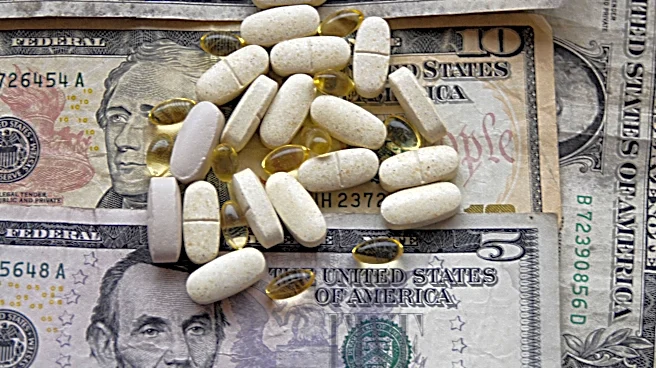
for Baptist Health, many recently developed antibiotics are merely slight variations of older ones, making them susceptible to existing bacterial defenses. This issue is compounded by financial disincentives for pharmaceutical companies. Unlike medications for chronic conditions that generate long-term revenue, antibiotics are typically used for short durations, sometimes a single dose, which reduces their profitability. This financial challenge, coupled with the risk of new antibiotics quickly losing effectiveness due to resistance, makes investment in antibiotic research and development less attractive, despite the urgent medical need. The problem is further highlighted by the stagnant progress in novel anti-tuberculosis drug development, emphasizing the broader need for innovative therapeutic strategies.
Why It's Important?
The slow pace of new antibiotic development poses a significant public health threat in the U.S. and globally. As bacteria evolve to resist current medications, common infections could become untreatable, leading to increased morbidity and mortality. This situation could force healthcare providers to use less desirable medications with more side effects or resort to more intensive treatments like hospitalization for intravenous antibiotics. The financial disincentives for pharmaceutical companies mean that market forces alone are insufficient to address this critical medical need, potentially requiring government intervention or new economic models to stimulate research and development. The lack of effective antibiotics could also impact other medical procedures, such as surgeries and cancer treatments, where antibiotics are crucial for preventing infections. The rise of multidrug-resistant bacteria, as observed in studies on contaminated surfaces, underscores the pervasive nature of this threat and the need for both new treatments and improved hygiene practices.
What's Next?
Addressing the antibiotic crisis will likely require a multi-faceted approach involving both scientific innovation and policy changes. Research into novel compounds and strategies, such as the use of probiotics to reduce colonization with antibiotic-resistant bacteria, is ongoing. However, these efforts need accelerated funding and support to translate into viable treatments. Policymakers may need to explore incentives for pharmaceutical companies to invest in antibiotic R&D, such as extended patent protections, direct funding, or market entry rewards. Public health campaigns will also be crucial to educate individuals on responsible antibiotic use, emphasizing that antibiotics are societal drugs whose effectiveness depends on collective stewardship. Continued surveillance of antibiotic resistance patterns and the development of rapid diagnostic tools to identify resistant strains will also be essential to guide treatment decisions and preserve the efficacy of remaining antibiotics.
Beyond the Headlines
The challenge of antibiotic resistance extends beyond immediate medical concerns, touching upon ethical, economic, and societal dimensions. Ethically, there is a responsibility to future generations to preserve the effectiveness of antibiotics, which have been foundational to modern medicine. Economically, the potential for widespread untreatable infections could lead to massive healthcare costs, reduced productivity, and significant economic disruption. Societally, the loss of effective antibiotics could fundamentally alter healthcare practices, making routine medical procedures risky and increasing the burden of infectious diseases. The 'me too' nature of many new antibiotics highlights a systemic issue in drug development, where incremental improvements are prioritized over truly novel solutions. This situation calls for a re-evaluation of how medical innovation is incentivized and supported, ensuring that critical public health needs are met even when they do not align perfectly with traditional profit motives.