


What's Happening?
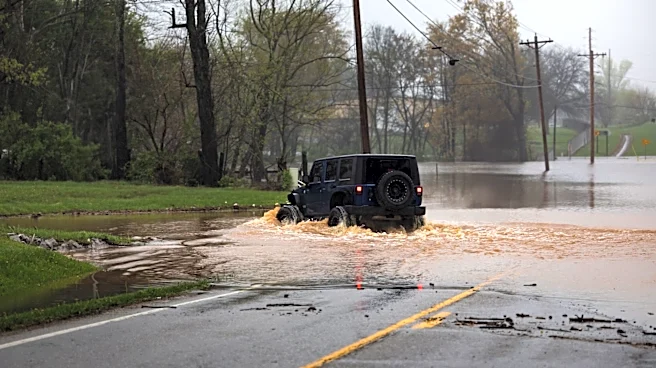
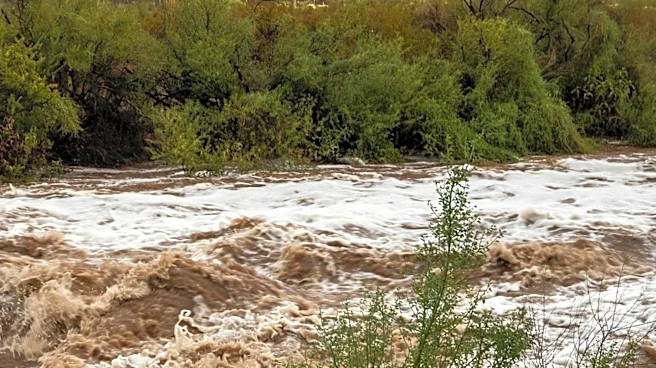
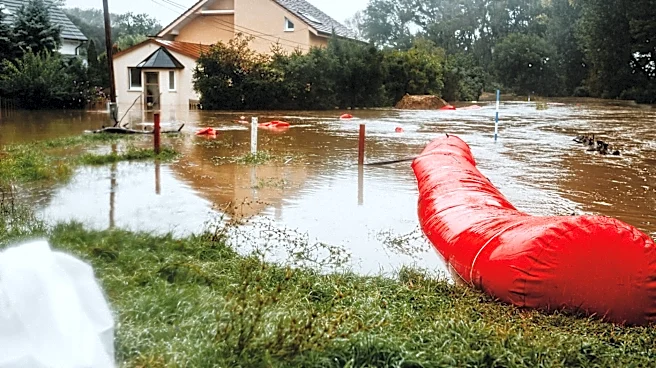
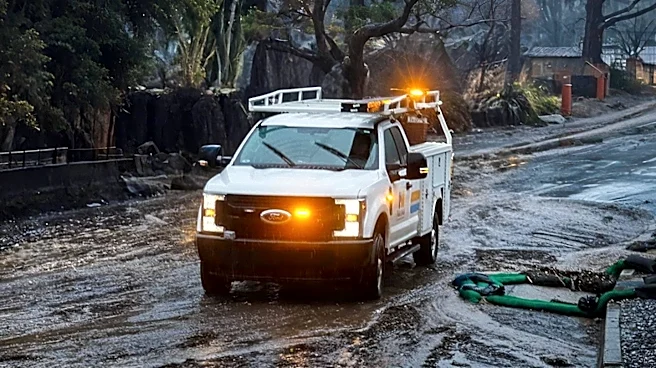
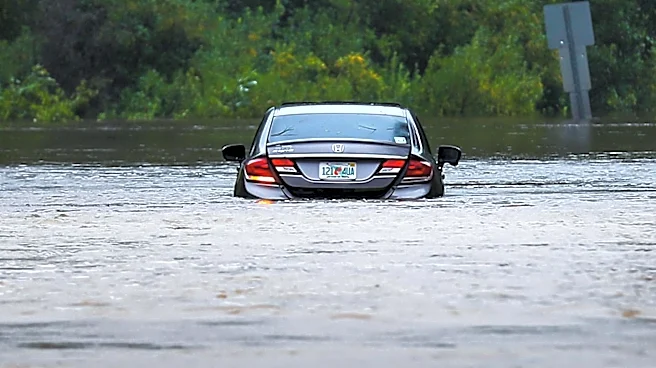
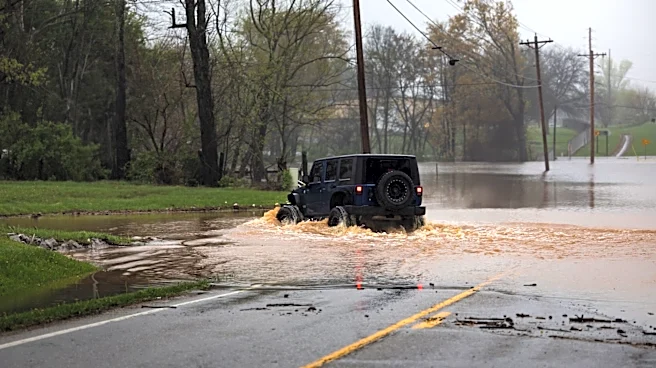
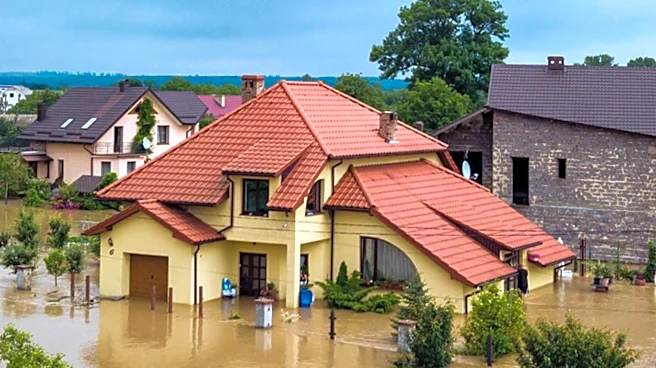
West Virginia has been hit by severe flash floods following torrential rains, resulting in the deaths of two individuals, as confirmed by the governor's office. The floods, which began on Tuesday, have caused significant damage across the state, with
up to 7 inches of rain reported in some areas. Governor Patrick Morrisey has declared a state of emergency for all 55 counties and has deployed hundreds of National Guard members to assist in rescue operations. The floods have inundated homes and businesses, washed out bridges, and led to numerous water rescues. The state's Division of Natural Resources has been involved in 85 rescues, and 19 helicopters are on standby for further missions. The heavy rains were part of a series of storms stretching from Ohio to the New York City suburbs, with additional flood warnings issued for several counties.
Why It's Important?
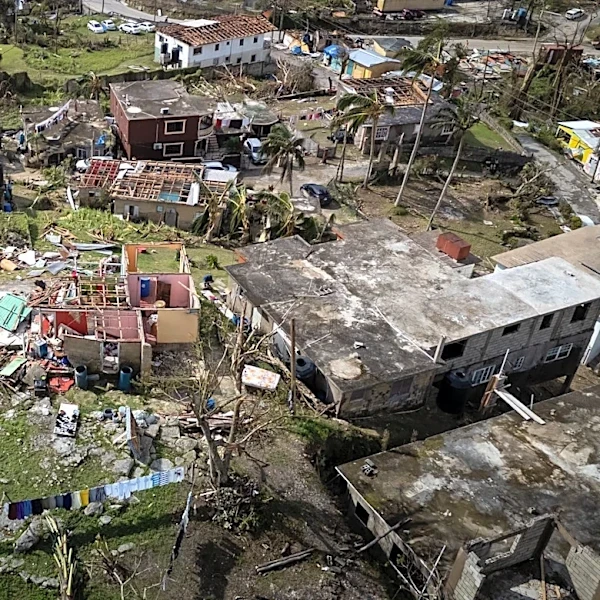
The flash floods in West Virginia highlight the increasing frequency and severity of extreme weather events, which pose significant challenges to infrastructure and emergency response systems. The state's declaration of emergency underscores the urgent need for resources and coordination in disaster management. The floods have disrupted daily life, with roads closed and communities cut off, emphasizing the vulnerability of rural areas to such natural disasters. The economic impact is also considerable, as businesses and homes face extensive damage. This event may prompt discussions on climate resilience and the need for improved infrastructure to withstand future weather-related incidents. The loss of life and property damage also call for a reevaluation of emergency preparedness and response strategies in the region.
What's Next?
As the state continues to deal with the aftermath of the floods, recovery efforts will be a priority. The focus will be on providing immediate relief to affected residents, including shelter and supplies. Long-term recovery will involve rebuilding infrastructure and homes, which may require federal assistance and funding. The state government is likely to engage with federal agencies to secure aid and support for rebuilding efforts. Additionally, there may be increased advocacy for policies addressing climate change and infrastructure resilience to prevent similar disasters in the future. Community leaders and residents will need to collaborate on rebuilding efforts and ensuring that future emergency response plans are robust and effective.