




What's Happening?
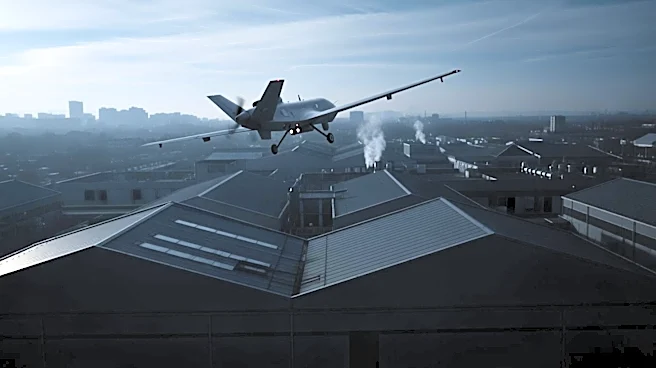
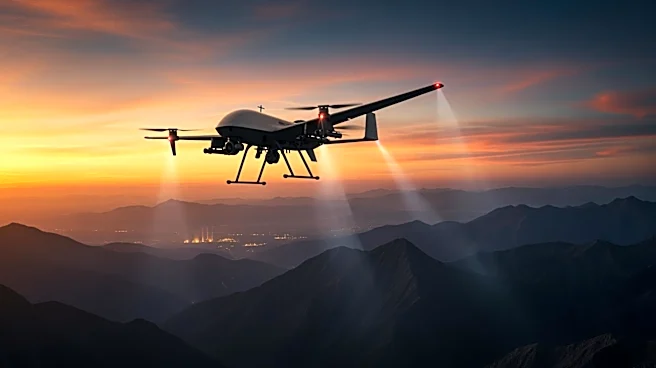
Ukrainian drones have executed a long-range strike reaching the Ural Mountains, marking a significant escalation in the ongoing conflict with Russia. This operation, confirmed by Serhii Sternenko, an adviser to the Ukrainian Ministry of Defense, involved
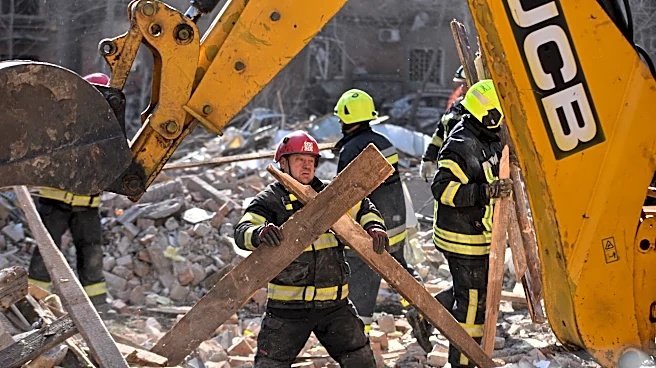
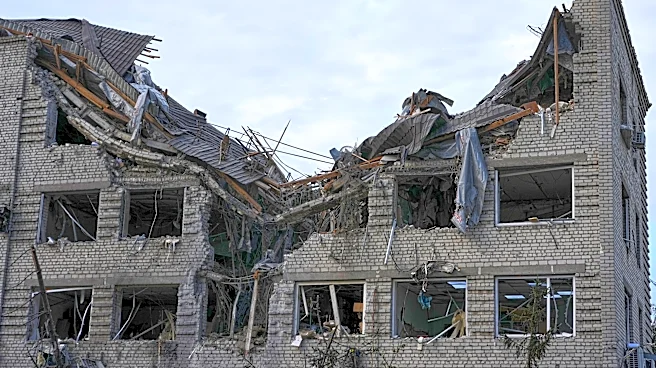
drones traveling over 1,800 kilometers from the Ukrainian border, bypassing Russian air defenses for more than 10 hours. The attack targeted key locations in Yekaterinburg and Chelyabinsk, including the Chelyabinsk Metallurgical Plant and the Chelyabinsk Higher Military Aviation School of Navigators. In Yekaterinburg, a drone was diverted by Russian electronic warfare into a residential building, resulting in injuries to six people. The raid prompted 'drone danger' protocols, leading to flight restrictions in several regional airports. Russian military bloggers have criticized the apparent lack of air defense response during the drones' extensive flight path.
Why It's Important?
This unprecedented drone strike by Ukraine represents a significant tactical achievement, demonstrating the capability to reach deep into Russian territory. The operation underscores the evolving nature of warfare, where long-range drone technology plays a crucial role. For Russia, this incident highlights vulnerabilities in its air defense systems, potentially prompting a reassessment of its military strategies. The strike also serves as a symbolic victory for Ukraine, showcasing its ability to retaliate against Russian military infrastructure. This development could influence international perceptions of the conflict, potentially affecting diplomatic and military support for Ukraine from Western allies. The incident may also escalate tensions, leading to further military engagements or retaliatory actions by Russia.
What's Next?
Following this strike, it is likely that Russia will enhance its air defense measures to prevent future incursions. This could involve deploying additional electronic warfare systems or increasing patrols in vulnerable regions. Ukraine, on the other hand, may continue to develop and deploy long-range drone capabilities, potentially targeting other strategic sites within Russia. The international community, particularly NATO and Western allies, may respond by reassessing their support strategies for Ukraine, possibly increasing military aid or intelligence sharing. Diplomatic efforts to de-escalate the conflict could also intensify, with potential negotiations aimed at establishing new ceasefire agreements or peace talks.