







What's Happening?
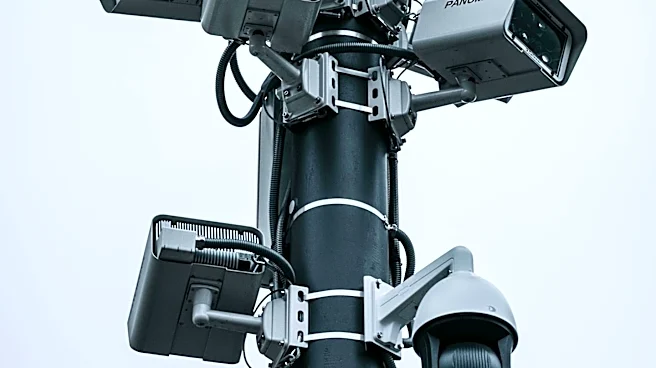
The Overland Park Police Department (OPPD) has announced an update to its policy regarding the use of automated license plate readers (ALPRs). These devices utilize cameras to automatically scan and record vehicle license plate numbers. The revised policy introduces
stringent guidelines for permissible and prohibited ALPR usage, mandates comprehensive training for personnel, implements more thorough routine auditing processes, reduces the data retention period, and establishes clear enforcement procedures to address any misuse of the system. Overland Park Police Chief Doreen Jokerst emphasized the importance of acknowledging community concerns about technology in policing, stating that the department's approach extends beyond mere technology to encompass robust governance, including strong policy, training, limited access, auditing, data retention, human verification, transparency, and ongoing evaluation. The OPPD engaged with various community stakeholders, including privacy advocates and organizations like the ACLU of Kansas, to refine these guidelines. The ACLU of Kansas, while advocating for the complete cessation of ALPR use, acknowledged the updated OPPD policy as a significant step forward in limiting ALPR use, scope, and data retention to better protect individual rights.
Why It's Important?
This policy update by the Overland Park Police Department is significant as it reflects a growing regional and statewide reevaluation of ALPR technology and its implications for privacy and civil liberties. The move by OPPD to implement stricter controls and reduce data retention addresses concerns raised by privacy advocates and the public regarding potential surveillance and data misuse. This action could set a precedent for other law enforcement agencies in the Kansas City metropolitan area and beyond, influencing how they manage and regulate similar technologies. The involvement of organizations like the ACLU of Kansas in the policy-making process highlights the increasing demand for transparency and accountability in the deployment of advanced policing tools. For residents, the updated policy aims to provide greater assurance that their data is handled responsibly and that the technology is used within defined ethical and legal boundaries. The regional scrutiny, as evidenced by other cities reconsidering their ALPR contracts and the Missouri Governor's executive order, underscores a broader societal debate about balancing public safety with individual privacy rights in the digital age.
What's Next?
The Overland Park Police Department plans to continuously evaluate its ALPR technology and all departmental systems. This ongoing assessment will consider changes in laws, technological advancements, evolving operational needs, and shifting community expectations. This commitment suggests that the policy may undergo further revisions in the future as the landscape of technology and public sentiment evolves. Regionally, other cities in the Kansas City area are also in the process of reevaluating their ALPR usage. Gardner City Council has already voted against renewing its contract with Flock Safety, discontinuing the use of all Flock cameras. Parkville's police department is also developing a formal policy for its Flock camera system following community informational sessions. At the state level, Missouri Governor Mike Kehoe's executive order has established safeguards for ALPR technology, including requirements for data deletion within 30 days, prohibitions on data commercialization by vendors, and limitations on technology use to legitimate criminal justice and lifesaving purposes. These regional and state-level actions indicate a trend towards increased regulation and oversight of ALPR technology, which may influence future policy decisions in Overland Park and other jurisdictions.
Beyond the Headlines
The updated ALPR policy in Overland Park delves into the deeper societal implications of surveillance technology and the ongoing tension between security and privacy. The engagement with privacy advocates like the ACLU of Kansas underscores a critical shift towards incorporating civil liberties considerations into law enforcement technology policies. This move acknowledges that while technology can enhance public safety, its unchecked use can erode trust and infringe upon individual rights. The regional trend of reevaluating ALPRs, including contract discontinuations and executive orders, suggests a broader public and governmental awakening to the ethical and legal complexities of pervasive data collection. This development could foster a more robust framework for digital rights in policing, potentially leading to national discussions on standardized regulations for ALPRs and other surveillance tools. The emphasis on transparency, auditing, and limited data retention reflects a growing understanding that the 'governance surrounding' technology is as crucial as the technology itself, aiming to prevent potential abuses and ensure accountability in an increasingly data-driven world.