





What's Happening?
Researchers from the University of Miami Rosenstiel School of Marine, Atmospheric, and Earth Science, in collaboration with MBARI and other institutions, have developed a novel methodology to uncover hidden aspects of ocean chemistry. This approach utilizes
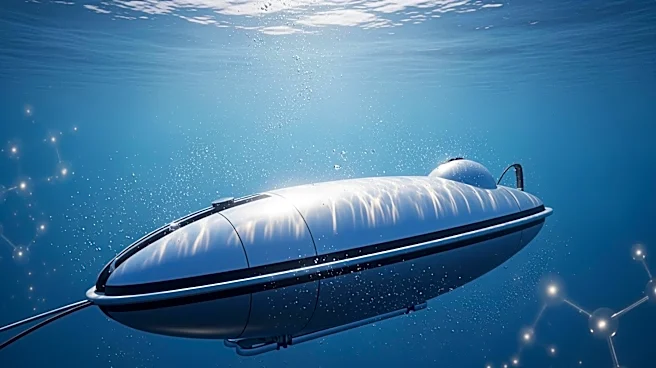
robotic floats to detect previously undetectable chemicals in low-oxygen ocean waters. The study, published in Nature Communications Earth and Environment, highlights the dynamic nature of nitrogen cycling in these regions. Lead author Mariana Bif emphasized the importance of understanding nitrogen levels, which influence ocean productivity, the global carbon cycle, and atmospheric greenhouse gas balance. The research provides a new perspective on ocean chemistry, aiding scientists in assessing and tracking ocean health.
Why It's Important?
The findings from this research are significant as they offer a deeper understanding of oceanic nitrogen cycling, which is crucial for maintaining the balance of the global carbon cycle and atmospheric greenhouse gases. By revealing the dynamic nature of nitrogen loss in low-oxygen areas, the study provides essential data that can influence environmental policies and conservation efforts. This research could lead to improved strategies for managing ocean health and mitigating climate change impacts. Stakeholders in marine science, environmental policy, and climate change advocacy stand to benefit from these insights, as they provide a more comprehensive understanding of oceanic processes.
What's Next?
Future research may focus on expanding the use of this methodology to other oceanic regions, potentially uncovering more about the global nitrogen cycle. The data could inform international efforts to address climate change and ocean conservation. Additionally, the technology could be integrated into broader environmental monitoring systems, providing real-time data to policymakers and scientists. Collaboration among international research institutions may increase, fostering a more unified approach to understanding and protecting ocean ecosystems.