





What's Happening?
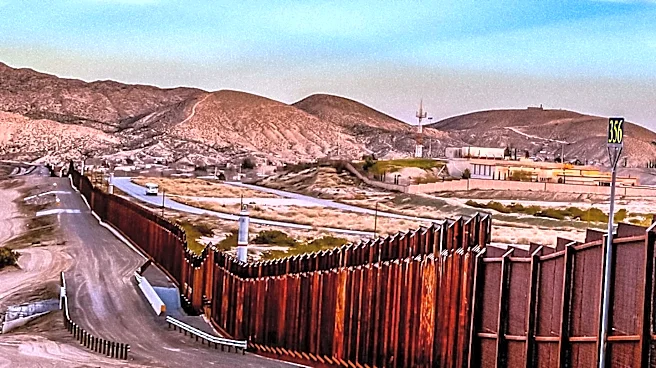
Republican campaigns are emphasizing immigration enforcement as a central issue in the upcoming midterm elections. According to an analysis by NPR, Republicans have significantly outspent Democrats on immigration-related advertisements, with nearly 300
ads run nationwide compared to 62 by Democrats. The ads highlight themes such as border security and crime reduction, which were successful for Republicans in the 2024 elections. The focus on immigration is seen as a strategy to energize the Republican voter base, with the party linking immigration to other key issues like the economy and crime. In contrast, Democrats have been more vocal about pro-immigration stances, particularly in states experiencing intense enforcement actions.
Why It's Important?
The emphasis on immigration by Republican campaigns underscores its potential as a mobilizing issue in the midterms. By focusing on immigration, Republicans aim to energize their base and shape the election narrative. This strategy could influence voter turnout and sway undecided voters in key races. The significant spending on immigration ads suggests that Republicans view it as a critical issue that resonates with their constituents. For Democrats, the challenge lies in countering this narrative while addressing their own priorities, such as healthcare. The outcome of this focus on immigration could impact legislative priorities and policy decisions post-election.
What's Next?
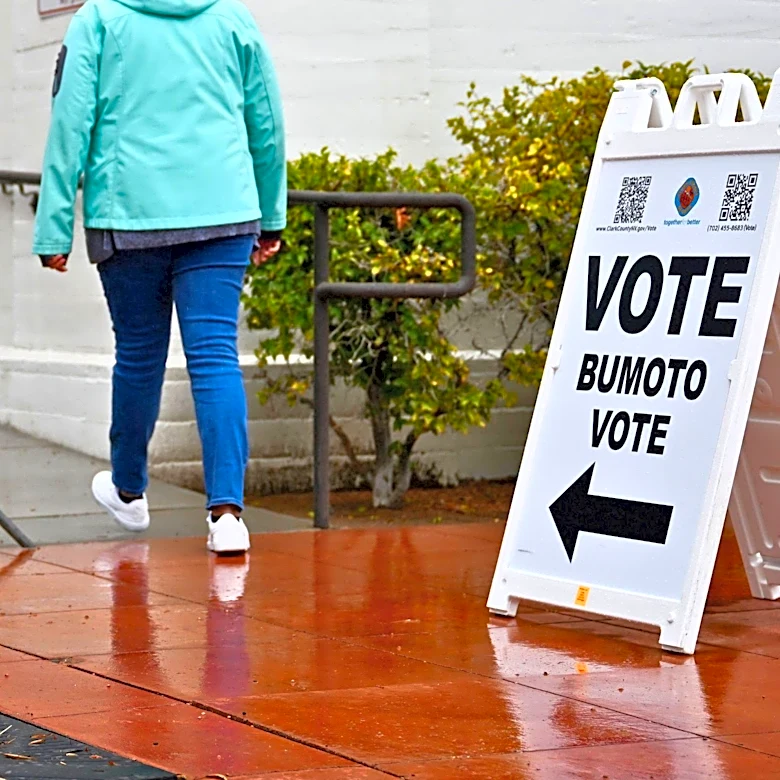
As the midterm elections approach, both parties are likely to continue refining their messaging on immigration. Republicans may intensify their focus on border security and enforcement, while Democrats could emphasize pathways to citizenship and criticize enforcement tactics. The effectiveness of these strategies will depend on voter reception and the broader political climate. Key races in states with significant immigrant populations may serve as bellwethers for the national mood on immigration. The results of the midterms could influence future immigration policies and the political landscape leading up to the 2028 presidential election.