


What's Happening?
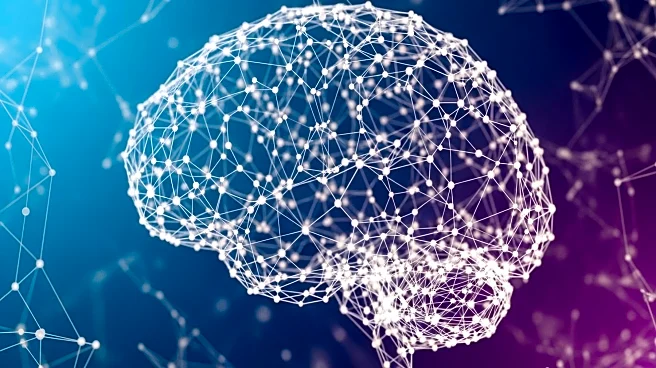
A study conducted by Rutgers Health, published in Nature Communications, has explored how the human brain processes information at varying speeds and integrates these signals through its white matter connectivity. The research, led by Linden Parkes, an assistant
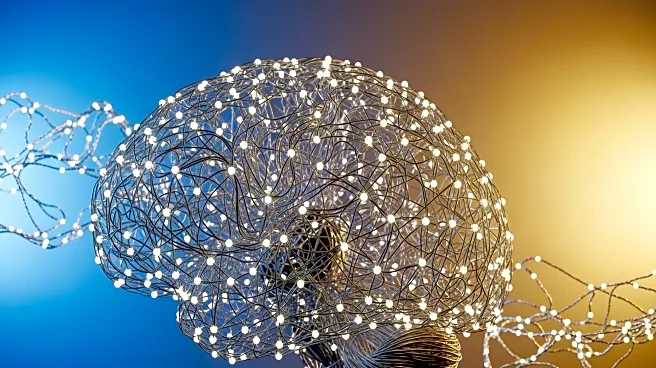
professor of Psychiatry at Rutgers Robert Wood Johnson Medical School, involved analyzing brain imaging data from 960 individuals. The study found that the brain's ability to switch between fast and slow information processing is crucial for cognition and behavior. This integration is facilitated by the brain's white matter pathways, which allow different regions to share information efficiently. The study also linked these patterns to genetic, molecular, and cellular features, suggesting a fundamental neurobiological basis for these processes.
Why It's Important?
The findings of this study have significant implications for understanding cognitive abilities and their variations among individuals. By identifying how efficiently the brain integrates information across different timescales, the research provides insights into why some people may have higher cognitive capacities than others. This understanding could lead to advancements in diagnosing and treating neuropsychiatric conditions such as schizophrenia, bipolar disorder, and depression, where disruptions in brain connectivity may alter information processing. The study's insights into the brain's wiring and its impact on cognitive function could also inform educational and therapeutic strategies aimed at enhancing cognitive abilities.
What's Next?
Building on these findings, the research team plans to extend their work to study neuropsychiatric conditions, examining how disruptions in brain connectivity may affect information processing. This could lead to new approaches in treating conditions like schizophrenia and depression. Additionally, further research may explore how these brain connectivity patterns develop over time and their implications for cognitive development and decline.