
What's Happening?
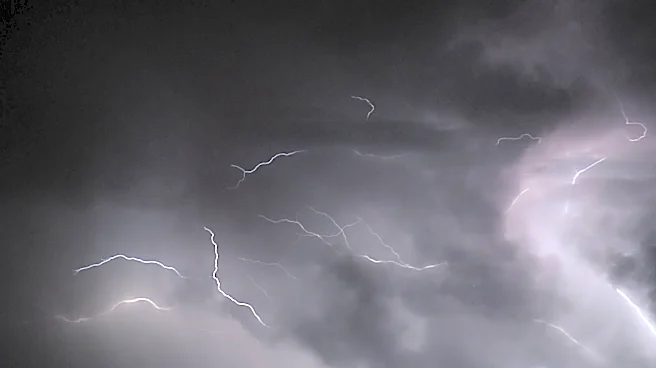
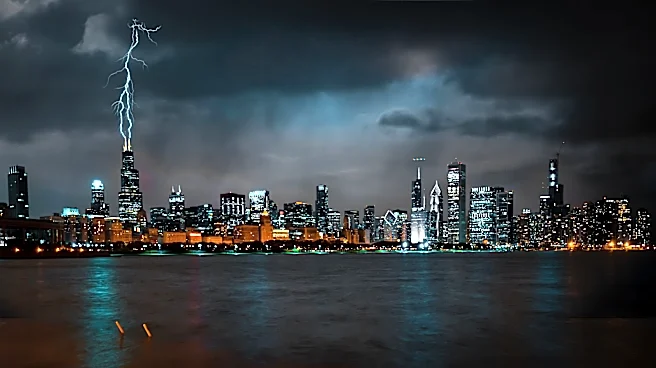
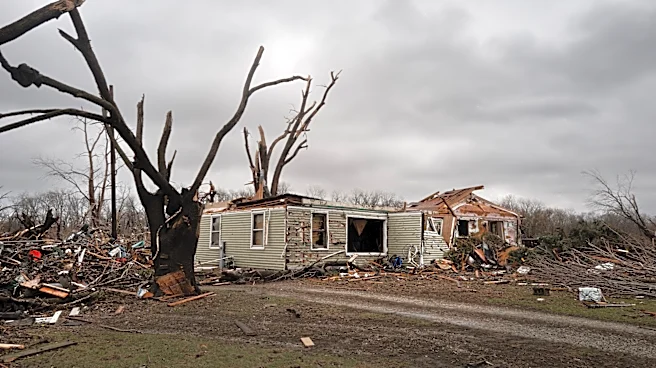
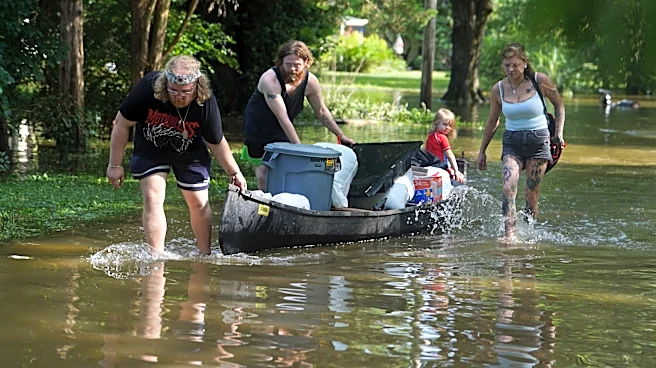
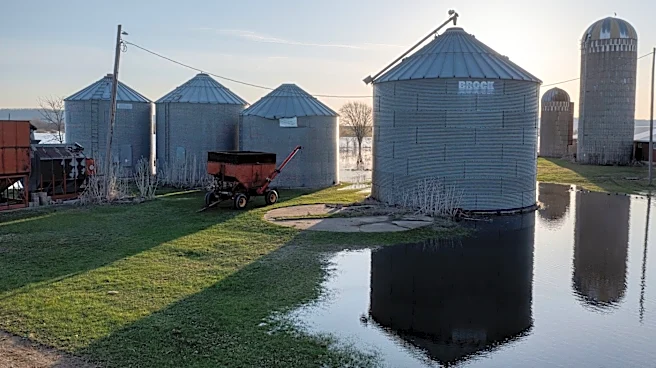
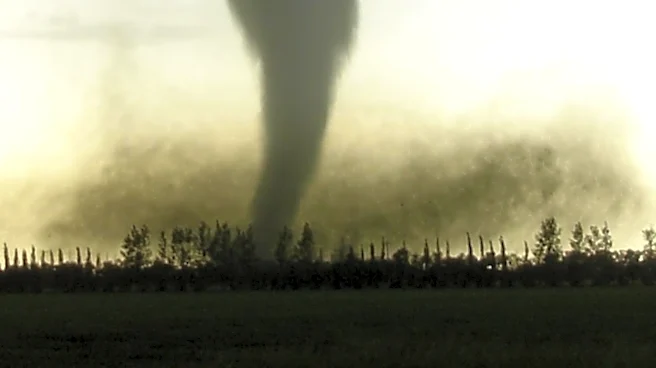
Governor Pritzker has issued a state disaster proclamation for Illinois in response to weeks of severe and record-breaking weather events. These events include torrential downpours, flash flooding, straight-line
winds, and numerous tornadoes, with approximately 204 tornadoes verified by the National Weather Service this year, leading the nation. The proclamation makes additional state resources and personnel available to support ongoing local response efforts and recovery operations across multiple counties. The Illinois Emergency Management Agency and Office of Homeland Security (IEMA-OHS), along with other state agencies like the Illinois Department of Transportation (IDOT), Illinois Environmental Protection Agency (EPA), and Illinois Department of Commerce and Economic Opportunity (DCEO), have been assisting local governments with damage assessments, debris cleanup, power restoration, and mutual aid. The proclamation aims to further unlock and accelerate state resources for continued assistance to communities whose local resources have been exhausted by the widespread damage.
Why It's Important?
This disaster proclamation is crucial for Illinois as it provides much-needed state-level support to communities grappling with the aftermath of an unprecedented series of severe weather events. The allocation of additional resources and personnel will expedite recovery efforts, including infrastructure repair, debris removal, and power restoration, which are vital for public safety and economic stability. For residents, it means faster access to aid and a more coordinated response to rebuild their lives and properties. For local governments, it alleviates the financial and logistical burden of managing large-scale disaster recovery, preventing further strain on already stretched budgets. The involvement of multiple state agencies underscores the comprehensive nature of the crisis and the necessity of a unified approach to mitigate the long-term impacts on affected regions.
What's Next?
Following the immediate implementation of the disaster proclamation, state agencies will continue to coordinate with local and federal partners to assess available assistance and identify additional resources for recovery and rebuilding. IEMA-OHS is directed to maintain its coordination efforts, ensuring that communities receive the necessary support. The proclamation also facilitates requests for state and federal disaster assistance, which could unlock further funding and aid for the affected areas. Residents in the impacted counties can expect ongoing cleanup operations, infrastructure repairs, and continued support from state and local authorities as they work towards long-term recovery. Updates on these efforts will be released as new information becomes available, guiding communities through the rebuilding process.
Beyond the Headlines
The repeated and severe weather events in Illinois highlight a broader trend of increasing climate volatility and its profound impact on infrastructure and community resilience. This proclamation, while addressing immediate needs, also implicitly calls attention to the necessity of long-term strategies for climate adaptation and disaster preparedness. The exhaustion of local resources in many areas suggests that current local planning and funding mechanisms may be insufficient to handle the scale and frequency of modern weather events. This situation could prompt a re-evaluation of state and federal disaster response frameworks, potentially leading to increased investment in resilient infrastructure and early warning systems. Furthermore, the economic toll on affected communities, including agricultural losses and business disruptions, could have lasting effects, emphasizing the need for robust economic recovery programs and insurance reforms to protect vulnerable populations.