





What's Happening?
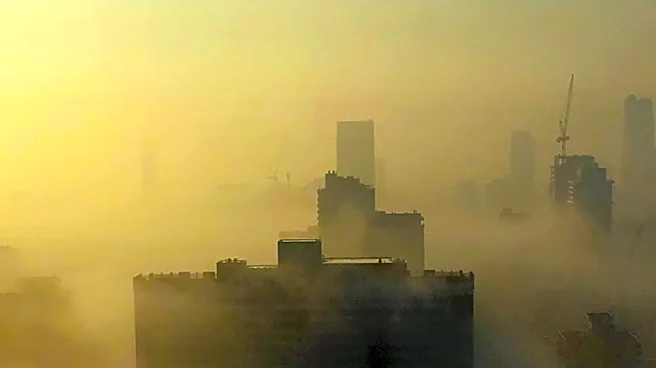
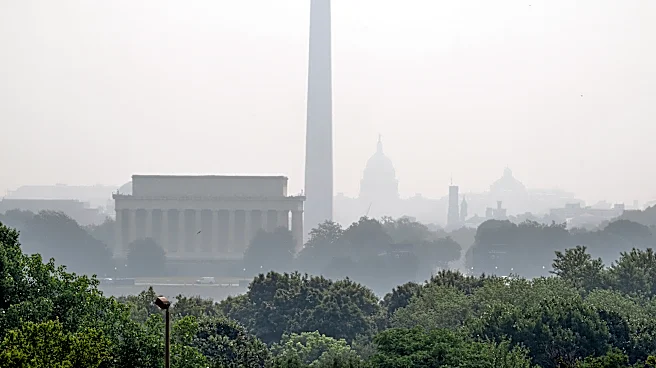
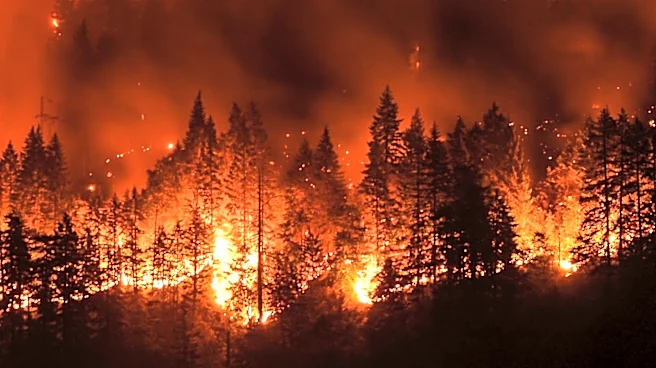
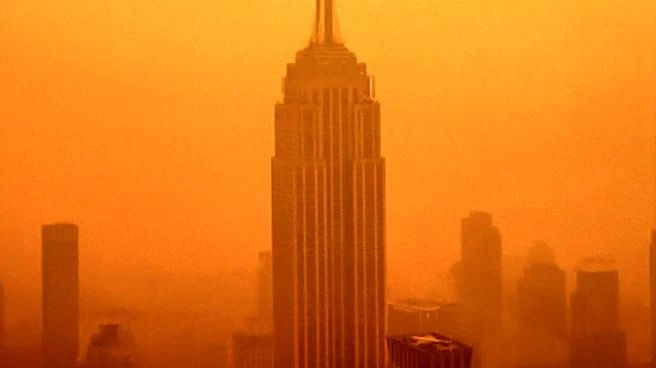
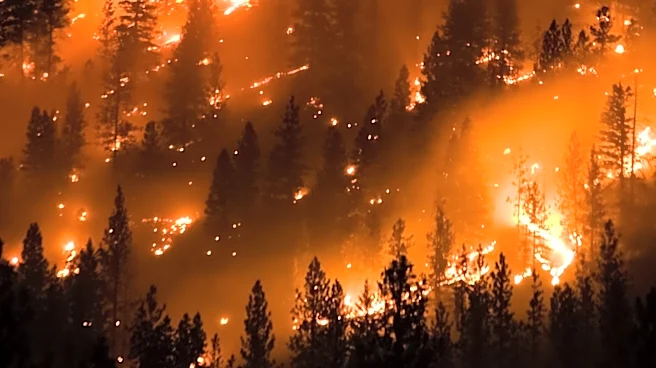
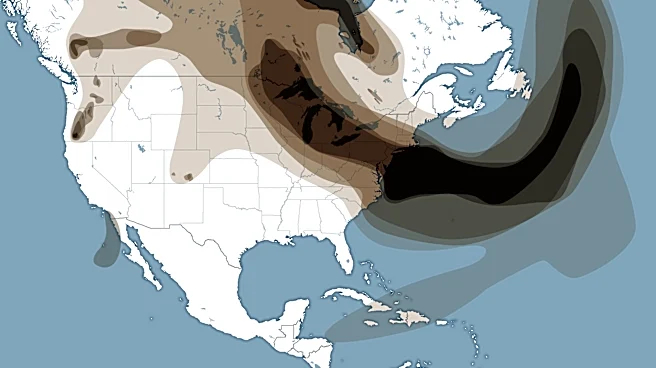
Wildfire smoke from Canada and northern Minnesota is affecting air quality in major U.S. cities, even when the sky appears clear. According to atmospheric scientist Dan Westervelt, the visibility of smoke can be misleading, as harmful pollutants may still
be present. The smoke contains brown carbon and PM 2.5 particles, which are hazardous to health. These particles can travel long distances and remain airborne for extended periods, posing a threat to respiratory health. Despite the lack of visible smoke, air quality monitors indicate high levels of pollutants, prompting safety warnings.
Why It's Important?
The presence of wildfire smoke, even when not visible, highlights the ongoing challenges of air quality management in the U.S. The health implications are significant, as PM 2.5 particles can penetrate deep into the lungs, causing respiratory and cardiovascular issues. This situation underscores the importance of air quality monitoring and public awareness, as individuals may underestimate the risks when the sky appears clear. The impact on public health and the need for effective communication about air quality risks are critical considerations for policymakers and health officials.
What's Next?
As wildfires continue to affect air quality, authorities are likely to enhance monitoring efforts and public advisories. The development of more accurate air quality prediction models could help in better preparing communities for smoke events. Additionally, there may be increased advocacy for policies aimed at reducing wildfire risks and improving air quality standards. Public health campaigns may also focus on educating the public about the invisible dangers of wildfire smoke and the importance of following safety guidelines.