









What's Happening?
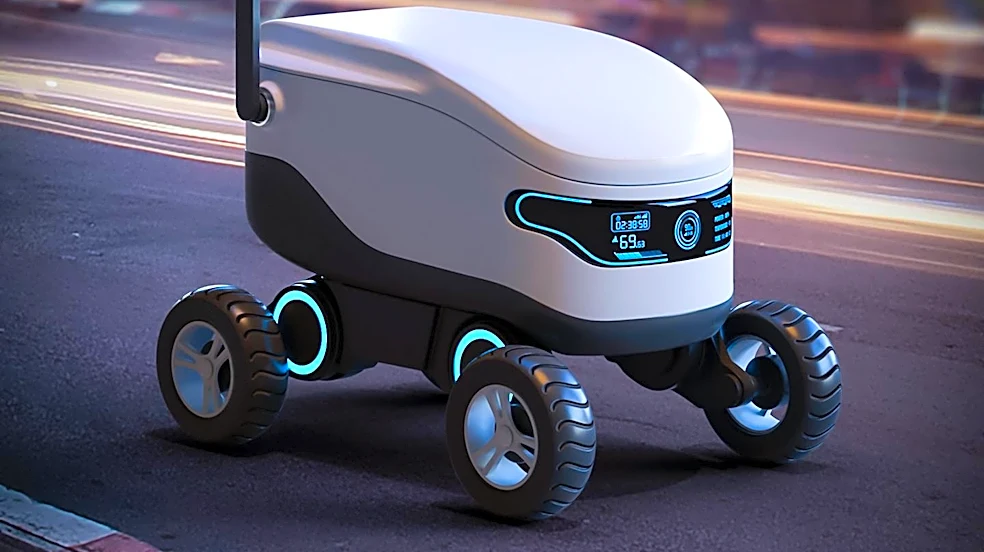
Carolyn Marvin, a retired professor emeritus from the Annenberg School of Communication at the University of Pennsylvania, was arrested last week in Center City, Philadelphia, for repeatedly obstructing an Uber Eats delivery robot. Marvin received a criminal
violation notice for disorderly conduct, which she intends to contest on First Amendment grounds. She stated that her actions were a protest against what she views as "ruthless corporations casting aside human workers" in favor of automation to increase profits. Marvin specifically criticized the use of these robots for displacing human delivery workers and raised concerns about the technology's potential for data collection and its broader implications for artificial intelligence. Uber launched its fleet of delivery robots in Philadelphia in March. Marvin, who previously taught a course on the "History and Theory of Freedom of Expression" at Penn, is urging students and the public to support companies that employ human delivery workers.
Why It's Important?
This incident highlights the growing tension between technological advancement, particularly in artificial intelligence and automation, and its societal impact, especially concerning labor displacement. The protest by a retired academic underscores a deeper ethical debate about the responsibilities of corporations in an increasingly automated economy and the value placed on human labor. The arrest and Marvin's intention to challenge the charge on First Amendment grounds bring to the forefront questions about the limits of protest in public spaces, especially when interacting with autonomous technology. This event could spark further discussions and actions regarding the regulation of AI and robotics in public areas, as well as the rights of individuals to protest against perceived injustices caused by technological shifts. It also draws attention to the economic implications for gig economy workers who may be directly affected by the proliferation of delivery robots.
What's Next?
Carolyn Marvin plans to contest her disorderly conduct charge, which could lead to a legal battle centered on First Amendment rights and the legality of protesting autonomous vehicles in public spaces. This case may set a precedent for how similar protests against AI and automation are handled in the future. The incident could also prompt Uber and other companies utilizing delivery robots to re-evaluate their public relations strategies and potentially engage in dialogue with communities about the impact of their technology. Furthermore, it might encourage advocacy groups and labor organizations to increase their efforts in addressing the economic and social consequences of automation. Universities and academic institutions may also see renewed discussions about the ethical implications of AI and the role of technology in society, potentially influencing curriculum development and research priorities.
Beyond the Headlines
The protest by Professor Marvin extends beyond a simple act of civil disobedience; it touches upon fundamental questions about the future of work, the ethics of artificial intelligence, and the balance between corporate innovation and social responsibility. Her concerns about robots collecting personal information and distracting from the displacement of human workers point to a broader societal anxiety about the unchecked advancement of technology. This event could catalyze a more widespread public discourse on the need for policies that address the social safety nets for workers displaced by automation and the ethical guidelines for AI development and deployment. It also raises philosophical questions about the definition of 'public space' in an era where autonomous machines share sidewalks and streets with humans, and how traditional forms of protest adapt to these new technological realities. The incident serves as a stark reminder that technological progress, while often celebrated, can also generate significant social friction and ethical dilemmas.