







What's Happening?
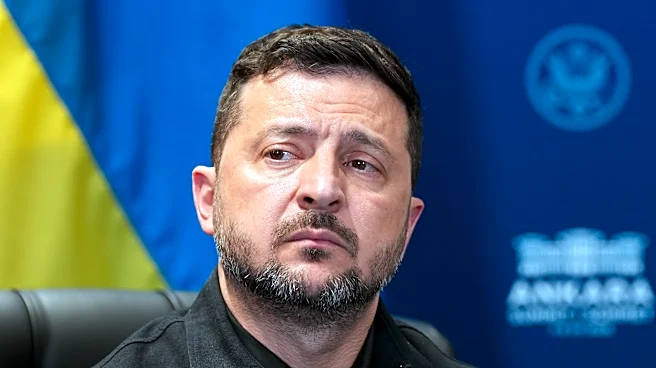
South Korea has reiterated its policy of not supplying lethal weapons to Ukraine, despite allegations that North Korea is providing military support to Russia. Ukrainian President Volodymyr Zelensky accused Russia of using North Korean ballistic missiles
in recent attacks, which resulted in significant casualties. South Korea's decision aligns with its domestic laws governing defense exports, focusing instead on humanitarian aid and support for infrastructure and education in Ukraine. The situation highlights the complex geopolitical dynamics in the region, with North Korea's involvement raising concerns about escalating military cooperation with Russia.
Why It's Important?
South Korea's stance reflects its cautious approach to international military engagements, balancing domestic legal constraints with international diplomatic pressures. The decision not to supply lethal aid to Ukraine underscores the challenges faced by countries in navigating alliances and regional security threats. North Korea's alleged support for Russia could further strain relations in the region and complicate efforts to maintain stability. South Korea's position may influence other nations' policies regarding military aid to Ukraine and highlight the need for coordinated international responses to the conflict.
What's Next?
As tensions continue, South Korea may face increased pressure from international allies to reconsider its stance on military aid to Ukraine. Diplomatic efforts will likely focus on addressing the implications of North Korea's involvement and ensuring regional security. South Korea's ongoing humanitarian support to Ukraine may be expanded, while diplomatic channels remain open to discuss potential shifts in policy. The situation could also prompt broader discussions within the international community about strategies to counteract North Korea's military activities and support for Russia.