








What's Happening?
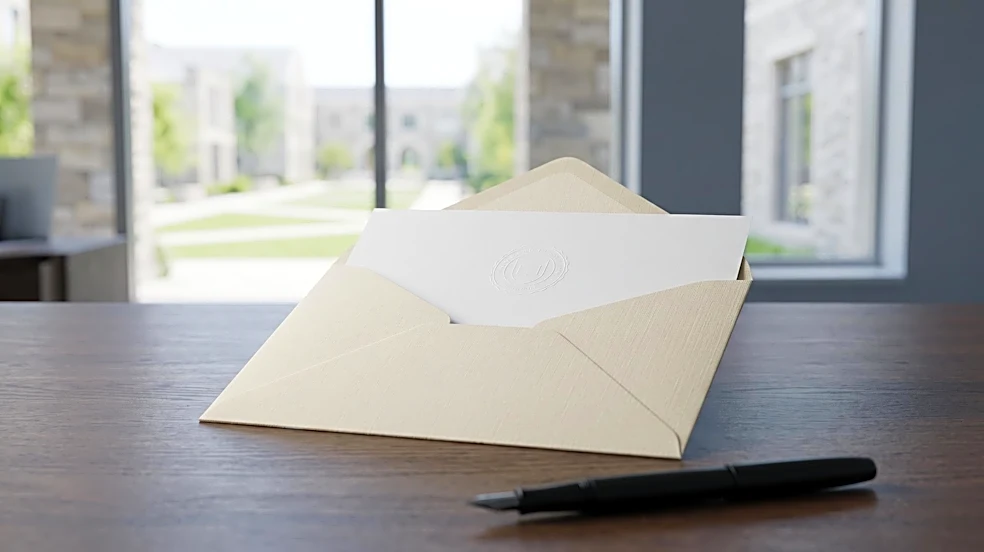
The Universities of Wisconsin, in collaboration with Milwaukee Public Schools and the Racine Unified School District, have extended automatic college admission offers to over 15,000 students in the Milwaukee area and southeastern Wisconsin. This initiative,
known as Direct Admit Wisconsin, aims to streamline the college admissions process for qualified high school seniors. Nearly 40,000 students across Wisconsin have received these direct admission letters in recent weeks, admitting them to one or more UW institutions for fall 2027 enrollment. Universities of Wisconsin Interim President Renée Wachter and other officials are urging students and parents to review these offers and complete the Direct Admit form. This form is crucial for students to unlock benefits such as eligibility for merit scholarships, access to financial aid, and the ability to reserve on-campus housing, as highlighted by UW-Milwaukee Chancellor Thomas Gibson.
Why It's Important?
The Direct Admit Wisconsin program represents a significant shift in college admissions, particularly for students in southeastern Wisconsin. By automatically admitting qualified students based on their GPA and coursework, the program removes traditional barriers to college entry, such as the application process itself, which can be daunting for many, especially first-generation students. This initiative is designed to boost college enrollment rates and ensure that more high school graduates recognize their potential for higher education. For the Universities of Wisconsin, it helps secure a talent pipeline, as nearly 90% of in-state UW graduates remain in Wisconsin five years after earning their degree. This program also addresses equity in education by proactively reaching out to students who might not otherwise consider college, thereby fostering a more diverse and skilled workforce for the state's economy. The emphasis on completing the Direct Admit form to access financial aid and housing underscores the practical support offered to make college a tangible reality for these students.
What's Next?
Students who have received Direct Admit Wisconsin offers are now encouraged to complete the Direct Admit form through the UW admissions pathway portal. This step is vital for connecting with the universities they are interested in and securing essential benefits like scholarships, financial aid, and housing. The form does not commit students to attending a UW institution but is a necessary step to explore their options fully. University officials, including UW-Milwaukee Chancellor Thomas Gibson, emphasize that completing this form streamlines the admissions process and helps students take full advantage of available opportunities. Over the coming months, students will need to make decisions about their college enrollment for fall 2027, with ongoing support and information provided by the Universities of Wisconsin and their respective high schools. The success of this program will be measured by the number of students who ultimately enroll and benefit from these direct admission offers.
Beyond the Headlines
The Direct Admit Wisconsin program has deeper implications for educational policy and societal mobility. By proactively identifying and admitting students, the program challenges the traditional, often competitive, college application model. This approach could reduce application-related stress and anxiety for high school students, allowing them to focus more on their academic performance and future planning. Furthermore, by targeting areas like Milwaukee and southeastern Wisconsin, the initiative aims to address educational disparities and provide opportunities to students from diverse socioeconomic backgrounds. The program's success could influence other state university systems to adopt similar direct admission models, potentially reshaping the landscape of higher education across the U.S. It also highlights the growing recognition that early intervention and simplified processes can significantly impact college access and completion rates, ultimately contributing to a more educated and economically robust populace. The focus on merit scholarships and financial aid also underscores a commitment to making higher education affordable and accessible.