





What's Happening?
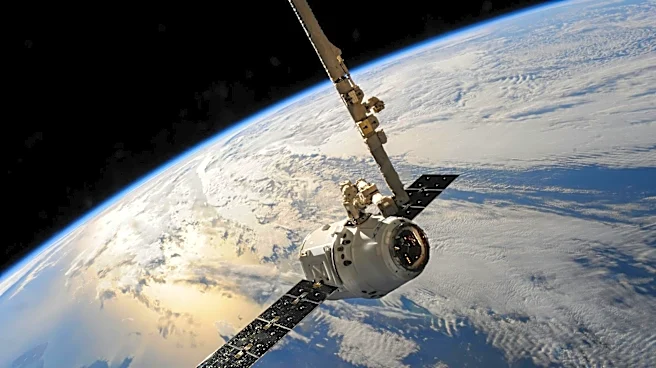
NASA's Aqua satellite, a key component of the Earth Observing System, is nearing the end of its operational life due to dwindling fuel reserves. Launched in 2002, Aqua has been instrumental in tracking wildfires and contributing to climate research. The
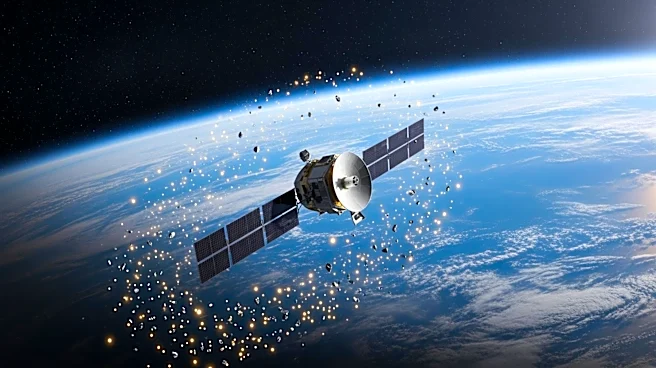
satellite's ability to maneuver and avoid space debris is compromised as it runs out of fuel, increasing the risk of collision. Aqua's data has been crucial for emergency services, often alerting them faster than ground reports. However, the satellite's impending decommissioning raises concerns about the continuity of climate data, as it has been a cornerstone in understanding atmospheric, oceanic, and land changes.
Why It's Important?
The potential loss of Aqua's data stream poses significant challenges for climate research and emergency response systems. Aqua has provided invaluable data for over two decades, supporting thousands of scientific publications and aiding in disaster management. Its decommissioning could create a gap in climate monitoring, affecting research on aerosol impacts, deforestation, and oceanic changes. The increasing space debris also highlights the growing risks for satellites, impacting insurance markets and operational costs. As Aqua's mission ends, the need for new technologies and strategies to maintain and enhance climate data collection becomes critical.
What's Next?
NASA plans to continue fire-tracking efforts through other platforms like the Visible Infrared Imaging Radiometer Suite. However, replicating Aqua's comprehensive climate record will be challenging. The private sector, including companies like Google, is exploring satellite constellations to fill the gap, but these efforts are still in development. The increasing debris in low Earth orbit necessitates improved debris management and satellite design to ensure future missions can operate safely and effectively. The scientific community must adapt to these changes to maintain the quality and continuity of climate data.