



What's Happening?
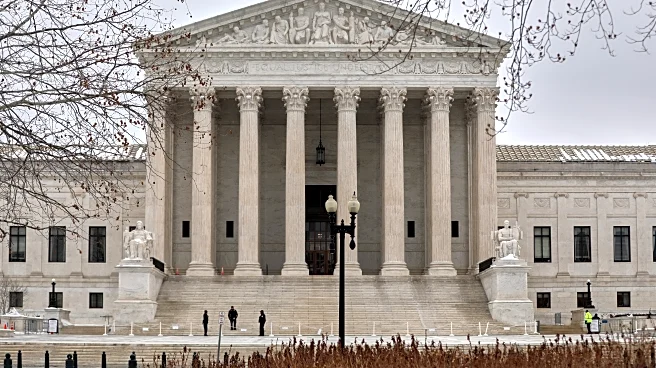
President Trump has criticized the Supreme Court following its ruling that his tariffs were illegal. In response, he has announced a new ten percent tariff on all countries. This decision has sparked discussions among legal experts and former government
officials about its legality and potential economic impact. Former Obama Chief of Staff Rahm Emanuel, retired federal Judge John E. Jones III, and CNN Chief Legal Affairs Paula Reid have weighed in on the issue, debating how the new tariffs align with existing laws. The move comes amid ongoing trade tensions and could have significant implications for international trade relations.
Why It's Important?
The imposition of a global tariff by President Trump could have far-reaching consequences for international trade and the U.S. economy. Such tariffs may lead to retaliatory measures from other countries, potentially escalating trade wars and affecting global markets. The decision also raises questions about the balance of power between the executive branch and the judiciary, as the President challenges a Supreme Court ruling. This development could influence future trade policies and the U.S.'s role in the global economy. Businesses and consumers may face increased costs, impacting economic growth and consumer spending.
What's Next?
The new tariffs are likely to face legal challenges and scrutiny from international trade partners. Countries affected by the tariffs may seek to negotiate or retaliate, leading to potential diplomatic tensions. The U.S. government may need to address the legal and economic implications of the tariffs, possibly involving Congress in trade policy decisions. Businesses and industry groups are expected to lobby against the tariffs, citing concerns over increased costs and market disruptions. The situation will require careful management to avoid further economic and diplomatic fallout.