







What's Happening?
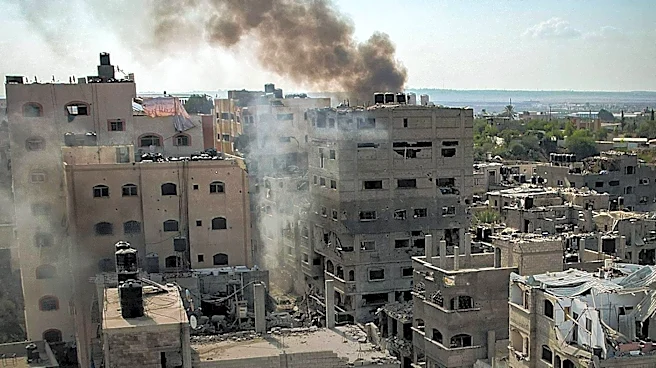
Dr. Mimi Syed, a board-certified emergency medicine physician from the U.S. and an assistant clinical professor at the University of Washington and Washington State University, has documented severe injuries resulting from drone strikes in Gaza. Dr. Syed served
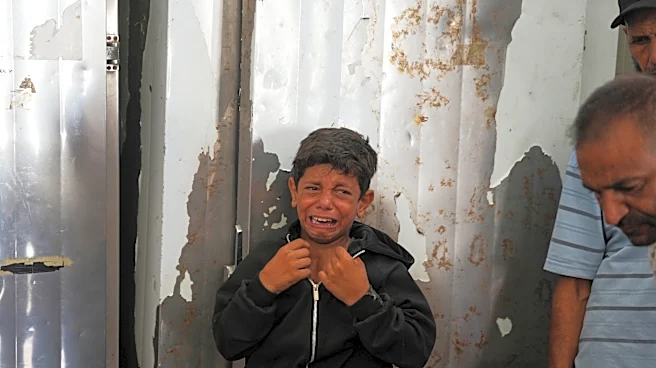
for months in 2024 at al-Aqsa Hospital and Nasser Hospital in Gaza, where she gained firsthand experience treating civilians targeted by the Israeli military. She is also a co-author of a new report titled 'Lethal Precision Without Accountability: Israeli Government “Quadcopter” Use in Gaza,' published by the Costs of War Project at Brown University. The report details the use of quadcopter drones and their impact, particularly highlighting instances where children have sustained injuries from these devices.
Why It's Important?
This report and Dr. Syed's firsthand accounts are important as they provide direct medical observations and documentation from a U.S. physician regarding the nature of injuries sustained by civilians in Gaza, specifically from drone strikes. The involvement of a U.S. academic and medical professional lends significant weight to the findings, potentially influencing international discourse and policy considerations regarding military tactics and accountability. The focus on 'lethal precision without accountability' raises critical questions about the ethical implications of modern warfare technology and its impact on non-combatants, particularly children. This information could inform humanitarian aid efforts, international law discussions, and potentially shape U.S. foreign policy perspectives on the conflict.
What's Next?
The report from the Costs of War Project at Brown University, co-authored by Dr. Syed, is likely to be disseminated among human rights organizations, international bodies, and academic institutions. This could lead to increased scrutiny of military operations in Gaza and calls for greater transparency and accountability regarding the use of drone technology. Advocacy groups may use these findings to press for investigations into alleged human rights violations and to advocate for stricter international regulations on drone warfare. The U.S. academic and medical community may also engage in further research and discussions based on these documented observations, potentially influencing public opinion and policy debates within the United States concerning its role in the region.
Beyond the Headlines
The documentation of severe injuries from drone strikes, particularly affecting children, highlights the evolving nature of modern conflict and the challenges in protecting civilian populations. The term 'lethal precision without accountability' points to a broader ethical dilemma where advanced military technology can inflict harm with reduced direct risk to operators, potentially leading to a detachment from the consequences. This raises profound questions about the moral responsibilities of nations and the international community to establish clear frameworks for the use of such technologies, ensuring adherence to humanitarian law and accountability for civilian casualties. The report also underscores the critical role of medical professionals in documenting and bearing witness to the human cost of conflict, providing essential data that can inform global efforts towards peace and justice.