




What's Happening?
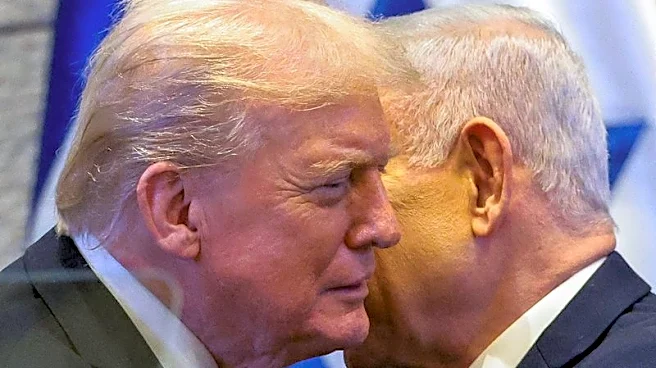
The Pentagon has reportedly elevated its counterintelligence threat assessment of Israeli espionage activities against the United States to the highest level ever. This decision, as reported by NBC News, is primarily driven by tensions between Israeli and
American officials regarding strategies in the ongoing conflict with Iran and its proxy groups. The Defense Intelligence Agency (DIA) issued an internal memo categorizing the threat level as 'critical.' Concerns have been raised that Israeli agents might attempt to surveil top U.S. officials to gather information on the Trump administration's decisions in the Middle East. The assessment includes a detailed brief and charts outlining the threat level. Despite these reports, the Israeli Embassy in Washington has denied the allegations, stating that Israel does not gather intelligence on U.S. entities, emphasizing that its intelligence efforts are focused on its enemies.
Why It's Important?
The elevation of the threat level signifies a significant strain in U.S.-Israel relations, particularly in the context of intelligence and security cooperation. This development could impact diplomatic ties and collaborative efforts in addressing regional security challenges, especially concerning Iran. The allegations of espionage, if proven true, could lead to increased scrutiny and potential diplomatic fallout, affecting bilateral agreements and military cooperation. The situation underscores the delicate balance of trust and cooperation required in international relations, particularly between allies. The denial from the Israeli Embassy highlights the potential for political motivations behind such claims, which could further complicate diplomatic interactions.
What's Next?
The Pentagon's decision may prompt further investigations into the alleged espionage activities, potentially leading to increased security measures and counterintelligence operations. U.S. officials might seek to engage in diplomatic discussions with Israeli counterparts to address these concerns and mitigate tensions. The situation could also lead to a reevaluation of intelligence-sharing protocols and security agreements between the two nations. Additionally, political leaders and stakeholders may weigh in on the implications of these developments, influencing future policy decisions and international relations strategies.