






What's Happening?
Italy's cheese banks, which hold Parmigiano Reggiano wheels as loan collateral, are under threat from climate change and extreme heat. The Credito Emiliano bank, known as Credem, has long accepted these cheese wheels as collateral for loans to dairy farms.
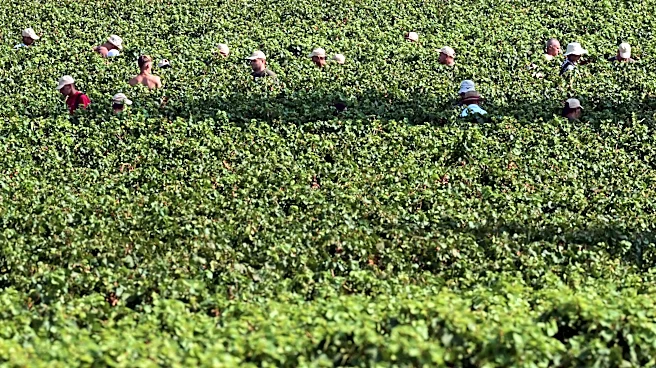
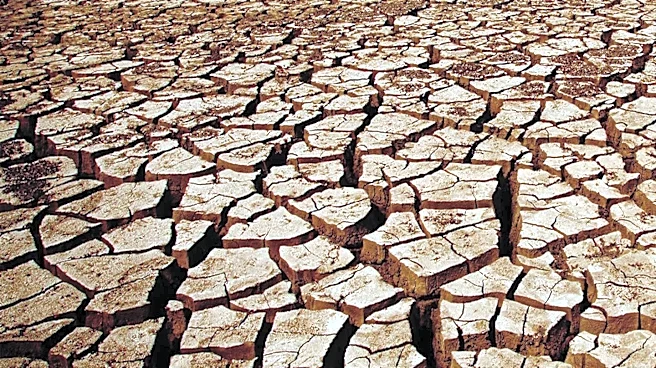
However, rising temperatures are increasing energy costs for maintaining the cheese at optimal conditions. The heat also affects dairy cows, reducing milk production and quality. This situation is part of a broader climate impact on Italy's agricultural sectors, including vineyards and olive groves, which are experiencing early harvests and reduced yields.
Why It's Important?
The impact of climate change on Italy's cheese banks highlights the vulnerability of traditional agricultural practices to environmental changes. The increased costs and reduced production could have significant economic implications for Italy's $4.7 billion cheese industry and related sectors. The situation underscores the need for adaptation strategies in agriculture to mitigate climate risks. The use of blockchain technology in cheese collateral programs represents an innovative approach to financial stability, but the broader economic challenges posed by climate change require comprehensive policy responses.
Beyond the Headlines
The situation in Italy reflects a global challenge where climate change affects food security and economic stability. The indirect and delayed effects of heat on agricultural supply chains can lead to significant economic disruptions. This case also illustrates the potential for financial innovation, such as blockchain, to provide solutions in traditional industries. However, the reliance on such technologies must be balanced with sustainable practices to ensure long-term resilience against climate impacts.