






What's Happening?
Approximately 13.5 million children worldwide have not received any vaccinations, a group referred to as 'zero-dose children.' Identifying and reaching these children is a central goal of the Immunization Agenda 2030, a global initiative aimed at ensuring
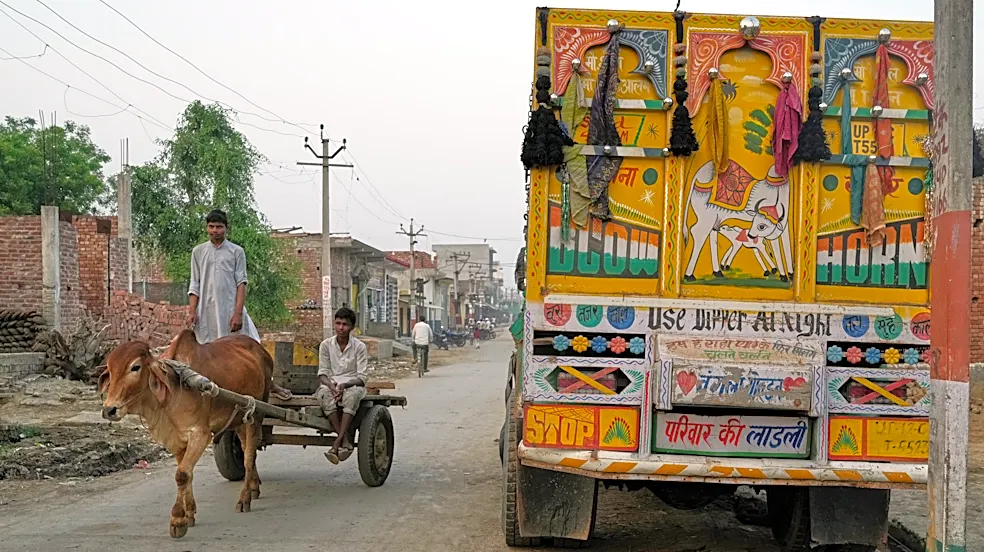
universal vaccine access. Gavi, the vaccine alliance, has structured its strategy around locating and vaccinating these vulnerable populations. A recent study reviewed 102 studies across 68 low- and lower-middle-income countries, which collectively account for over 80% of the world's zero-dose children, according to WHO and UNICEF estimates. The study found that while geospatial approaches are increasingly used in child vaccination coverage modeling, only a small fraction specifically target zero-dose children. Most research focuses on broader routine immunization coverage. The evidence base is also geographically concentrated, with most studies originating from Nigeria, Ethiopia, and India, leaving significant gaps in countries with high zero-dose burdens like Sudan and Yemen.
Why It's Important?
The failure to accurately map and reach zero-dose children poses a significant global public health challenge. These unvaccinated populations are highly susceptible to preventable diseases, leading to increased morbidity and mortality rates, particularly in low-income countries. The lack of specific geospatial data for these groups means that vaccination campaigns may not effectively target those most in need, perpetuating immunity gaps and increasing the risk of outbreaks. The uneven geographical distribution of research also highlights disparities in global health research capacity and priority-setting, potentially leaving the most vulnerable populations underserved. Addressing this gap is crucial for achieving global health equity and preventing the resurgence of vaccine-preventable diseases, which can strain healthcare systems and hinder economic development in affected regions.
What's Next?
To effectively address the challenge of zero-dose children, future efforts will need to prioritize more comprehensive and interconnected data collection. This includes developing and deploying geospatial tools directly into the hands of local health workers and communities closest to these children. The REACH-OUT team, involved in the recent study, aims to develop cost-effective strategies for vaccine delivery to zero-dose children, suggesting a move towards more targeted and efficient interventions. Increased investment in research and capacity building in underrepresented countries is also critical to ensure that geospatial mapping efforts are globally equitable and effective. The Immunization Agenda 2030 and organizations like Gavi will likely continue to advocate for and fund initiatives that leverage advanced mapping technologies to pinpoint and serve these unreached populations.
Beyond the Headlines
The issue of zero-dose children extends beyond mere vaccination rates, touching upon broader themes of social equity, access to healthcare, and the impact of geographical isolation. These children often reside in hard-to-reach areas, conflict zones, or marginalized communities, where systemic barriers prevent access to basic health services. The reliance on broad immunization coverage data can mask these hidden pockets of unvaccinated children, leading to a false sense of security in public health metrics. Addressing this requires not only technological solutions like geospatial mapping but also a deeper understanding of the socio-economic, cultural, and political factors that contribute to vaccine hesitancy and inaccessibility. Long-term solutions will necessitate integrated approaches that combine health interventions with community engagement, infrastructure development, and policies aimed at reducing inequalities in healthcare access.