










What's Happening?
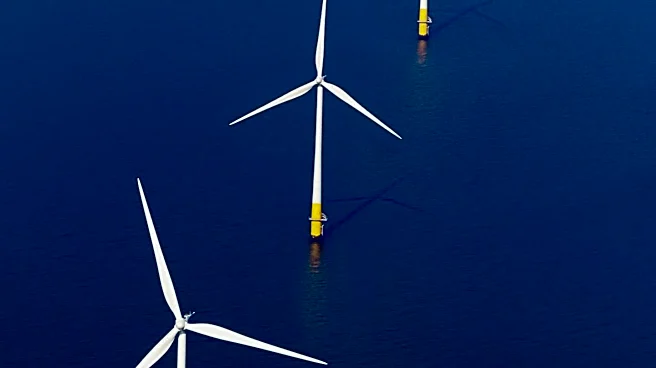
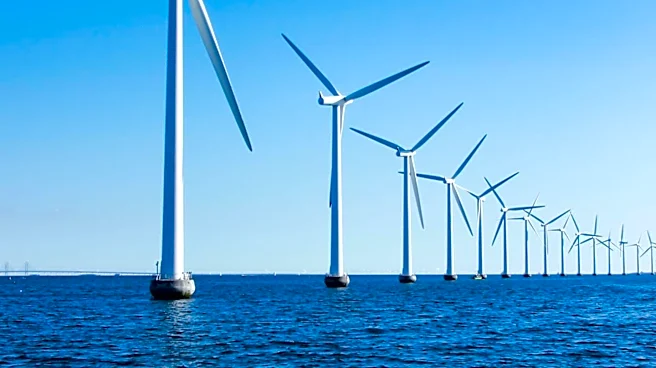
Duke Energy has agreed to a $129 million buyout from the Trump administration's Department of the Interior to abandon an offshore wind lease. This decision aligns Duke Energy with other companies that have accepted similar offers, amidst ongoing legal
challenges from Northeast states and California against the federal government. These states have filed lawsuits in response to what they perceive as the Trump administration's attempts to undermine offshore wind projects. The administration has faced multiple legal defeats in its efforts to halt these projects, losing five consecutive cases in federal court. The Sierra Club, a prominent environmental organization, has criticized Duke Energy's decision, arguing that it exacerbates the energy affordability crisis in North Carolina and undermines potential economic benefits from clean energy projects.
Why It's Important?
The decision by Duke Energy to accept the buyout has significant implications for the future of renewable energy projects in the U.S., particularly offshore wind. This move could set a precedent for other energy companies, potentially stalling the growth of the offshore wind sector, which is crucial for transitioning to clean energy. The legal challenges from states like California highlight the tension between state and federal priorities regarding energy policy. If these lawsuits succeed, they could reinforce state authority over energy projects and challenge federal interventions perceived as detrimental to environmental goals. The outcome of these legal battles could influence future federal energy policies and the role of renewable energy in the U.S. economy.
What's Next?
The legal challenges against the Trump administration's deals are ongoing, with states like California and those in the Northeast leading the charge. These cases could result in significant legal precedents regarding federal and state powers in energy policy. Additionally, there may be increased scrutiny on the legality of such buyouts, potentially prompting further investigations or legislative actions. The Sierra Club has urged North Carolina's Attorney General Jeff Jackson to review the legality of Duke Energy's deal, which could lead to additional legal actions. The outcomes of these cases will likely impact future energy projects and the broader renewable energy landscape in the U.S.
Beyond the Headlines
This development raises broader questions about the balance between economic interests and environmental sustainability. The decision by Duke Energy and similar actions by other companies could reflect a broader trend of prioritizing short-term financial gains over long-term environmental benefits. This situation also highlights the challenges faced by environmental organizations in advocating for sustainable energy solutions amidst political and economic pressures. The ongoing legal battles may also influence public perception and policy discussions around the role of government in supporting or hindering renewable energy initiatives.