






What's Happening?
The Trump administration's Department of Education has shifted its approach to civil rights enforcement, particularly concerning programs aimed at addressing racial inequities in schools. Historically, the federal government has enforced civil rights laws
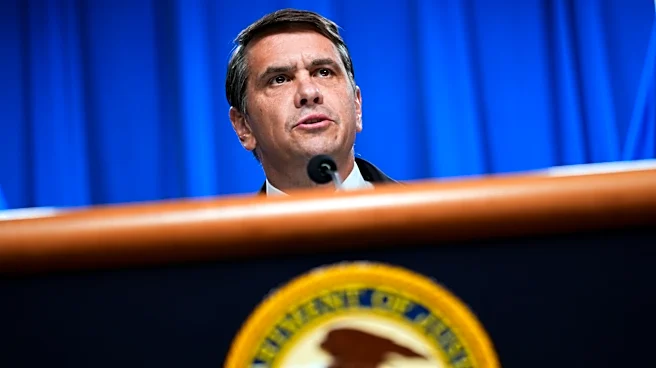
to combat systemic discrimination against Black students and other minorities. However, under President Trump's leadership, efforts to address these inequities are being criticized as discriminatory against white students. This has led to the labeling of diversity, equity, and inclusion (DEI) programs as illegal by the administration. Schools that do not comply with these new interpretations have faced threats to their funding, and some have lost federal grants. The administration has also opened investigations into programs designed to increase the number of teachers of color and has discontinued grants for diversity-related teacher training. The Justice Department has been involved in litigation against such programs, arguing that they violate federal law.
Why It's Important?
This shift in policy has significant implications for educational equity in the United States. By challenging programs designed to support Black students and other minorities, the administration's actions could reverse progress made in addressing educational disparities. Critics argue that this approach undermines the original intent of civil rights laws, which were established to promote equal opportunities for all students. The potential loss of funding and support for diversity initiatives could widen the achievement gap between minority and non-minority students. Additionally, the administration's stance may discourage schools from implementing programs that address racial inequities, fearing federal scrutiny or legal challenges. This could have long-term effects on the educational outcomes and opportunities available to minority students across the country.
What's Next?
The ongoing investigations and legal challenges initiated by the Trump administration are likely to continue, potentially leading to further changes in how schools address racial inequities. Schools and districts may need to reassess their diversity and inclusion programs to ensure compliance with federal guidelines. The outcome of these investigations and any resulting legal precedents could shape future policies on educational equity. Stakeholders, including civil rights organizations and educational advocates, may increase their efforts to challenge the administration's actions and advocate for policies that support minority students. The broader debate over the role of race in education and the interpretation of civil rights laws is expected to persist, influencing future administrations and educational policies.