



What's Happening?
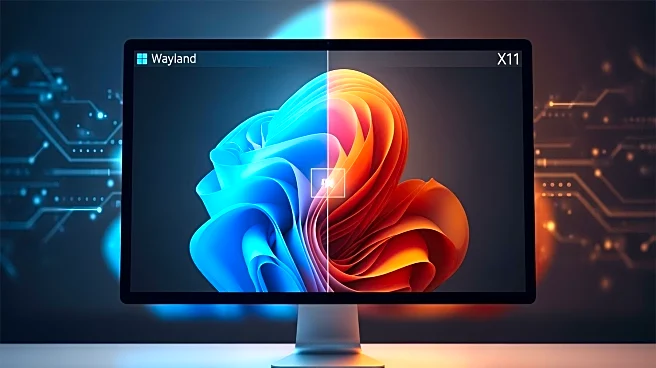
TrixiePup64 11.2, a new release of the Puppy Linux-based distribution, has been launched, incorporating Debian GNU/Linux components. This release offers separate builds for X11 and Wayland usage, continuing the legacy of Puppy Linux as a lightweight distribution.
The release is notable as it follows the previous announcement of discontinuation after TrixiePup64 11.1.1. The new version integrates the latest Woof-CE build and Debian 13.2 updates, along with a Linux 6.12 LTS kernel. It also features improvements specific to its Wayland build, a Grokipedia button on its HTML browser homepage, Firefox ESR 140.6, and other updates. The Wayland version uses the SpaceFm desktop and Labwc compositor, while the X11 version employs JWM with Roxfiler file manager.
Why It's Important?
The release of TrixiePup64 11.2 is significant for users and developers who favor lightweight Linux distributions, particularly those with limited hardware resources. By continuing the Puppy Linux tradition, TrixiePup64 11.2 provides an updated and efficient operating system option that can run on older systems. The inclusion of both Wayland and X11 options caters to different user preferences and hardware capabilities, ensuring broader accessibility. This release also highlights the ongoing development and support for open-source projects, which are crucial for innovation and diversity in the software ecosystem. The updates and improvements in this release may attract users looking for a stable and modern Linux experience without the need for high-end hardware.
What's Next?
Users interested in trying TrixiePup64 11.2 can download the ISO releases from Puppy Linux mirrors. The development community may continue to monitor user feedback and performance to guide future updates and enhancements. The release could also inspire further contributions and forks within the open-source community, potentially leading to new features and optimizations. As the distribution gains traction, it may influence other lightweight Linux projects to adopt similar updates and improvements, fostering a competitive and innovative environment in the Linux ecosystem.