


What's Happening?
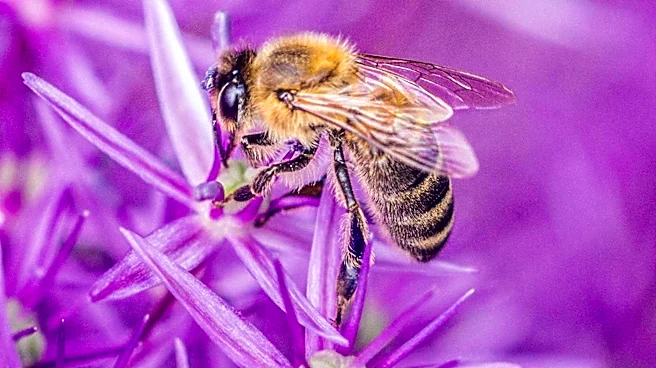
Colorado Governor Jared Polis signed an executive order aimed at bolstering protections for the state's pollinator populations, including bees and butterflies. The order addresses significant threats such as habitat loss, drought, invasive species, and pesticide
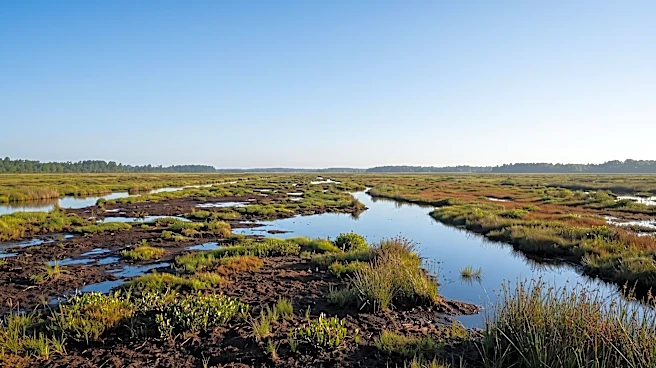
exposure, which have been impacting these crucial insects. Governor Polis emphasized the vital role pollinators play in Colorado's agricultural sector, supporting crops like peaches, corn, and Rocky Ford melons, as well as contributing to the state's natural beauty and outdoor recreation economy. This executive action follows previous state efforts, including the 2026 legislative session's House Bill 1132, which mandates state agencies to prioritize native plants for pollinator habitats in their projects. The order outlines four key actions: creating a statewide pollinator strategy, reducing pesticide use on state lands, supporting local governments and private landowners in habitat protection, and expanding pollinator habitats within the state highway system. The executive order is set to remain in effect until January 1, 2032, unless rescinded by a future governor.
Why It's Important?
The executive order is significant for Colorado's economy and ecological health. Pollinators are essential for the state's agricultural productivity, directly impacting the yield and quality of numerous crops that contribute substantially to the local economy. Beyond agriculture, the health of pollinator populations is critical for maintaining biodiversity and the natural landscapes that support Colorado's robust outdoor recreation and tourism industries. The decline of pollinators could lead to reduced crop yields, increased food costs, and a degradation of natural ecosystems, affecting both rural and urban communities. By implementing a comprehensive statewide strategy, Colorado aims to mitigate these risks, ensuring long-term food security and environmental stability. The focus on reducing harmful pesticides and expanding habitats reflects a proactive approach to conservation, potentially setting a precedent for other states facing similar ecological challenges.
What's Next?
Following the executive order, state agencies in Colorado will begin implementing the outlined actions. This includes developing a statewide pollinator strategy, which will likely involve collaboration between various departments such as Natural Resources, Agriculture, and Transportation. Efforts will focus on identifying specific areas for habitat expansion, researching and adopting pollinator-friendly pest management practices, and providing resources and guidance to local governments and private landowners. Colorado State University is also directed to study the availability of native plant material, which will inform future planting initiatives. The effectiveness of these measures will be monitored over the coming years, with potential adjustments to the strategy as new data emerges. The order's duration until 2032 provides a long-term framework for these conservation efforts, indicating a sustained commitment from the state government to protect its pollinator populations.
Beyond the Headlines
This executive order highlights a growing recognition of the intricate link between ecological health and economic prosperity. The emphasis on reducing pesticide use, particularly neonicotinoids, points to a broader shift in agricultural and land management practices towards more sustainable and environmentally conscious methods. The initiative also underscores the importance of inter-agency cooperation and public-private partnerships in addressing complex environmental issues. By involving local governments and private landowners, the order promotes a community-wide approach to conservation, fostering a sense of shared responsibility. This comprehensive strategy could serve as a model for other regions grappling with pollinator decline, demonstrating how targeted policy interventions can support both ecological resilience and economic vitality. The long-term commitment embedded in the order suggests a strategic vision for environmental stewardship that extends beyond immediate political cycles.