





What's Happening?
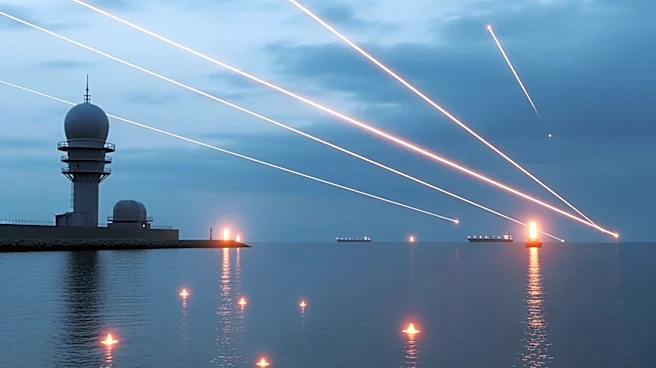
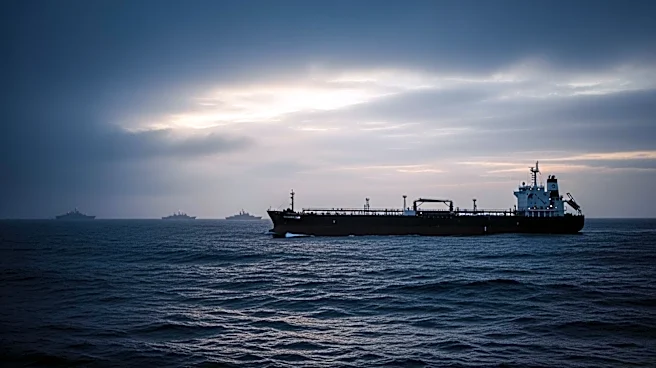
Iran is reportedly exploring ways to assert control over undersea internet cables passing through the Strait of Hormuz, a critical chokepoint for global internet traffic. This move could impact $10 trillion in daily financial transactions and disrupt
AI infrastructure investments by major U.S. companies like Microsoft, Google, and Amazon. The cables, which carry 17% of global internet traffic, are vital for digital commerce and cloud computing. Iran's strategy may involve requiring permits, charging fees, and demanding oversight, potentially creating a digital chokepoint that could escalate tensions with the U.S.
Why It's Important?
The potential Iranian control over these cables poses a significant threat to the global economy, particularly affecting technology and financial sectors. The Strait of Hormuz is not only a vital oil transit route but also a crucial digital artery. Disruptions could lead to increased operating costs, slow technological deployments, and raise concerns about infrastructure vulnerability. For the U.S., this could mean heightened geopolitical tensions and economic instability, as President Trump may respond aggressively to protect U.S. interests. The situation underscores the fragility of global digital infrastructure and its critical role in the modern economy.
What's Next?
If Iran proceeds with its plans, the U.S. may implement expanded sanctions, naval escorts for repair ships, or cyber retaliation. The situation could lead to increased oil prices and inflation, affecting global markets. Companies heavily invested in Gulf AI infrastructure may need to consider alternative routes to mitigate risks. The potential for a broader conflict could have far-reaching implications for international trade and economic stability.