



What's Happening?
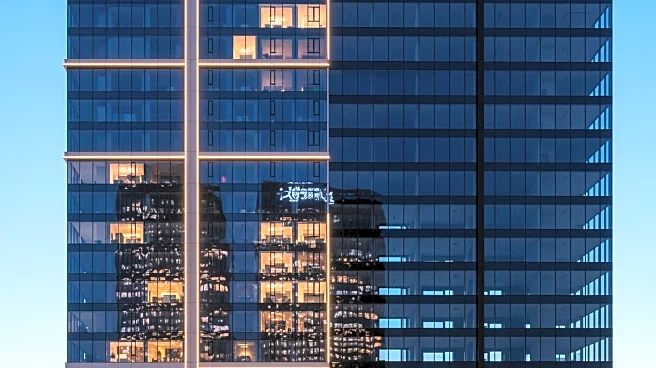
New York City is experiencing a significant increase in the conversion of office buildings into residential apartments, driven by the aftermath of the COVID-19 pandemic and the shift towards remote work. According to a study by RentCafe, more than 16,000
apartments are currently in the pipeline from office conversions, a figure that has nearly doubled in a year. This trend is most pronounced in Midtown Manhattan, which has become the epicenter of these conversions, overtaking the Financial District. Notable projects include the transformation of 111 Wall St. and 5 Times Square, which are expected to yield over 1,500 and 1,200 apartments, respectively. The former Pfizer headquarters is also undergoing a major conversion, set to bring approximately 1,600 apartments by 2026 or 2027.
Why It's Important?
The conversion of office buildings into residential units addresses two critical issues in New York City: the surplus of vacant office space and the high demand for housing. This trend provides a pressure valve for the commercial real estate market, potentially stabilizing rents and property values. However, the high costs associated with these conversions mean that the resulting apartments are often priced beyond the reach of average renters, with studios and one-bedrooms expected to list between $3,500 and $5,500. This development highlights the ongoing challenge of creating affordable housing in a city with extreme real estate pressures.
What's Next?
As more office-to-residential conversions are completed, Midtown Manhattan is likely to see a shift in its demographic and economic landscape. The influx of residents could lead to changes in retail and transit patterns, as businesses adapt to increased evening foot traffic. This transformation may also encourage further conversions, as the success of current projects could make future developments more viable. However, the challenge of affordability remains, and it is uncertain how these high-end conversions will impact the broader housing market.
Beyond the Headlines
The trend of converting office buildings into residential units reflects a broader shift in urban planning and real estate development. It raises questions about the future of workspaces and the adaptability of cities to changing economic conditions. The high cost of conversions underscores the need for innovative solutions to address housing affordability, as well as the potential for new zoning and policy measures to facilitate more inclusive development.