

What's Happening?
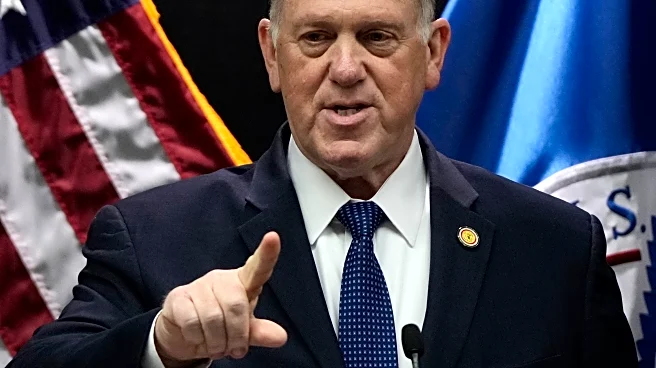
The U.S. Department of Justice is conducting an investigation into Minnesota Governor Tim Walz and Minneapolis Mayor Jacob Frey. The investigation centers on allegations that these officials conspired to obstruct federal immigration enforcement efforts
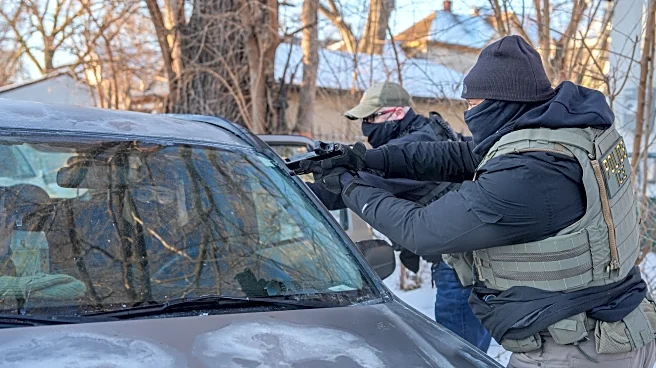
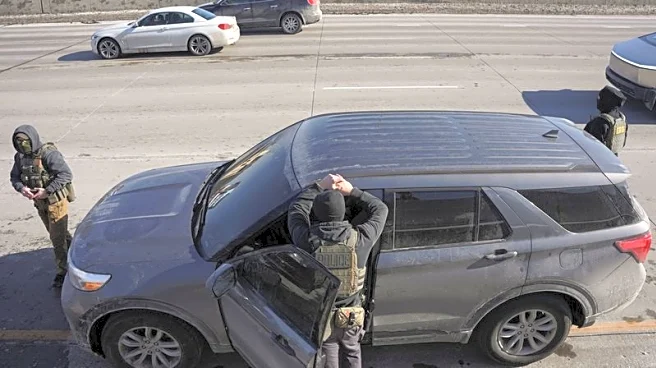
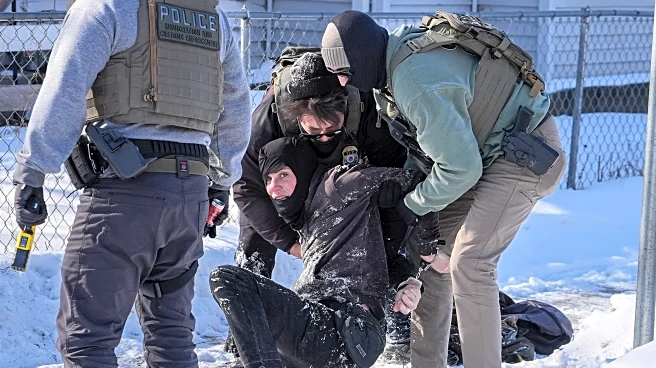
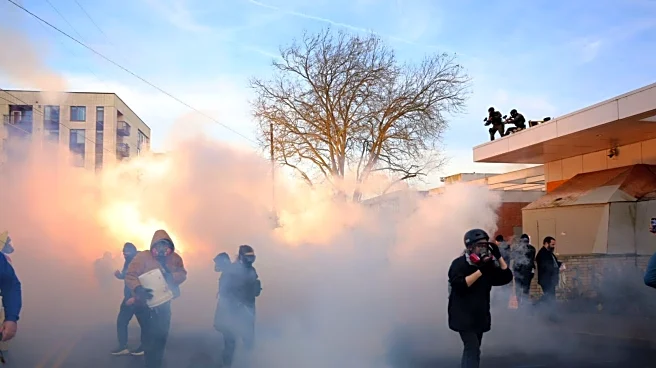
through their public statements. This development follows the fatal shooting of Renee Nicole Good, a U.S. citizen, by an ICE officer in Minneapolis, which has sparked significant protests. Federal officers have increased their presence in the city since the incident. Both Walz and Frey have publicly criticized the federal response and questioned the exclusion of local authorities from the investigation into Good's death. The Justice Department's investigation is reportedly based on a rarely used federal statute with Civil War-era origins, which was highlighted in a recent memo by Attorney General Pam Bondi. The memo outlined strategies for federal prosecutors to enhance investigations into individuals labeled as domestic terrorists.
Why It's Important?
This investigation highlights the ongoing tensions between federal and local authorities over immigration enforcement policies. The actions of the DOJ could have significant implications for the relationship between state and federal governments, particularly in how they handle immigration issues. The investigation also raises concerns about the potential infringement on First Amendment rights, as it involves the political speech of public officials. Critics argue that using the justice system to target political opponents could set a dangerous precedent, potentially stifling dissent and undermining democratic principles. The outcome of this investigation could influence future interactions between federal agencies and local governments, especially in cities with policies that differ from federal immigration directives.
What's Next?
As the investigation unfolds, it is likely to draw reactions from various stakeholders, including civil rights organizations, legal experts, and political leaders. The focus will be on whether the DOJ's actions are perceived as politically motivated or a legitimate enforcement of federal law. The situation in Minneapolis remains tense, with ongoing protests and heightened federal presence. The response from the local community and national observers will be critical in shaping the narrative around this investigation. Additionally, the legal proceedings could set a precedent for how similar cases are handled in the future, particularly concerning the balance between federal authority and local governance.
Beyond the Headlines
The investigation into Governor Walz and Mayor Frey underscores broader issues of federalism and the limits of state autonomy in the face of federal mandates. It also highlights the potential for legal and ethical challenges when federal statutes are applied in politically charged contexts. The case may prompt a reevaluation of the statutes used and their applicability in modern governance, especially concerning civil liberties and the protection of free speech. The outcome could influence future legislative and judicial actions aimed at clarifying the boundaries of federal and state powers.