






What's Happening?
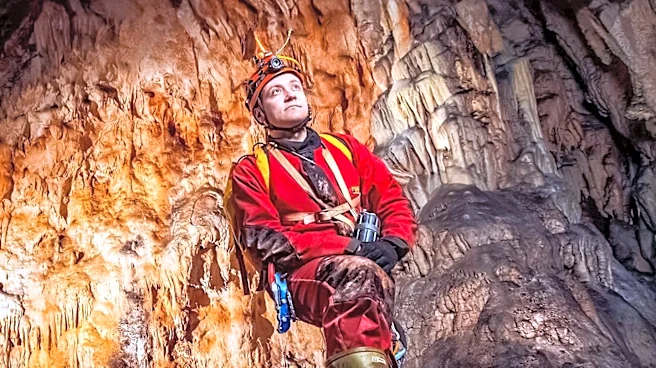
The National Speleological Society (NSS), through its Sara Corrie Memorial Fund, is providing grants to support group cave exploration within the United States and its territories. These grants, administered by the U.S. Exploration Committee, are designed
to fund original exploration of caves and cave systems. Proposals for these grants must detail the geological and geographical setting of the caves, their potential for new discoveries, and anticipated challenges. The funding covers essential equipment and supplies for exploration, including ropes, rigging, climbing gear, survey tools, diving equipment, underground camping supplies, food, and travel expenses. While research, photography, filming, touring, and sport-related caving are generally not funded, they may qualify if they directly contribute to original exploration. Grant recipients are required to report their findings for the NSS website and publish results in NSS News or present them at the annual NSS Convention’s U.S. Exploration Session. Up to six grants, each for a maximum of $1,000, are available per year, with applications accepted on a rolling basis. Applicants must be NSS members.
Why It's Important?
This grant program is crucial for advancing the understanding of subterranean environments across the U.S. and its territories. By providing financial support for equipment, supplies, and travel, the NSS enables dedicated groups to undertake challenging and often costly cave explorations. This directly contributes to scientific knowledge in geology, biology, and hydrology, as new cave systems can reveal unique ecosystems, geological formations, and hydrological pathways. The requirement for recipients to publish or present their findings ensures that these discoveries are shared with the broader scientific community and the public, fostering further research and appreciation for these hidden natural wonders. Moreover, by supporting original exploration, the program helps identify and document previously unknown or poorly understood cave systems, which can be vital for conservation efforts and responsible land management. The grants also encourage active participation in speleology, nurturing a new generation of explorers and scientists dedicated to this specialized field.
What's Next?
With applications accepted on a rolling basis, cave exploration groups can continue to submit proposals for funding throughout the year. The U.S. Exploration Committee will review these proposals, and successful applicants will proceed with their planned expeditions. Following their explorations, grant recipients will be expected to compile and disseminate their findings as required by the NSS, either through publications in NSS News, presentations at the annual convention, or reports for the NSS website. This ongoing cycle of funding, exploration, and dissemination will continuously enrich the body of knowledge regarding U.S. cave systems. The program's success will likely be measured by the number of new discoveries, the quality of the research produced, and the engagement of the speleological community in sharing these insights.
Beyond the Headlines
The Sara Corrie Memorial Grants highlight the significant role of non-profit organizations like the National Speleological Society in supporting scientific exploration and discovery that might otherwise be overlooked by larger funding bodies. Cave exploration, often conducted by volunteers and enthusiasts, provides invaluable data on biodiversity, geological processes, and climate history preserved within these isolated environments. The emphasis on original exploration underscores a commitment to pushing the boundaries of human knowledge and understanding of the natural world. Furthermore, the program fosters a sense of community and shared purpose among cavers, promoting best practices in safety and environmental stewardship. The discoveries made through these grants can also have broader societal implications, informing decisions related to water resources, environmental protection, and even the search for extraterrestrial life by studying extremophiles found in caves.