




What's Happening?
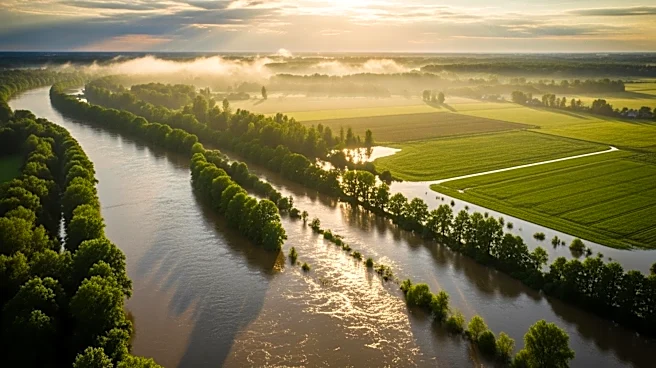
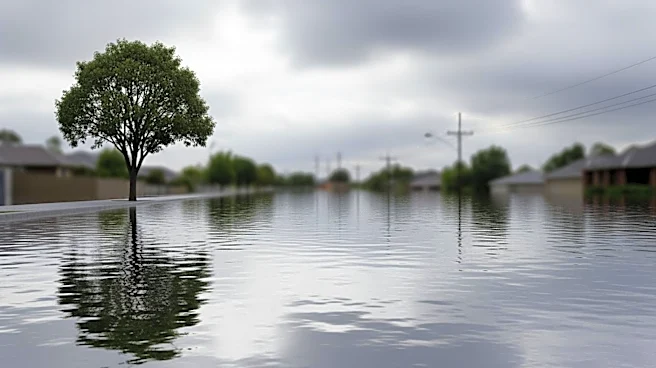
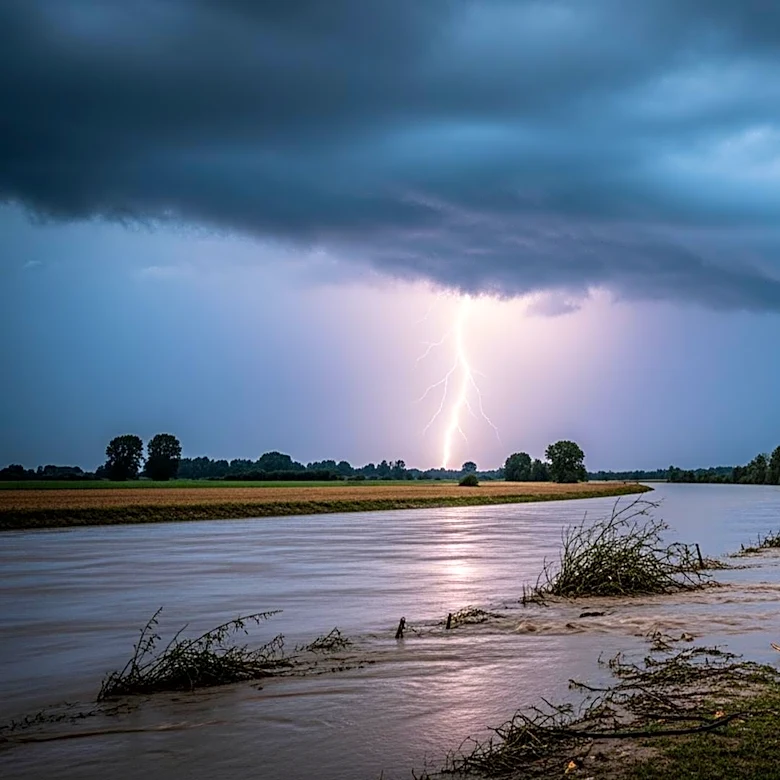
Michigan has experienced significant flooding due to above-average rainfall in March and April 2026, compounded by snowmelt in the northern regions. The Grand River, Michigan's longest river, has swollen, causing minor flood stages in areas like Comstock
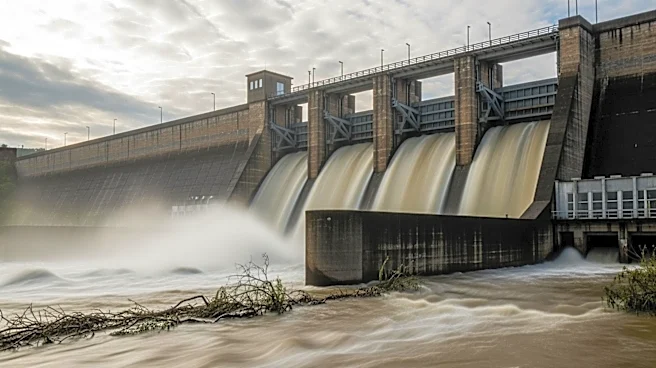
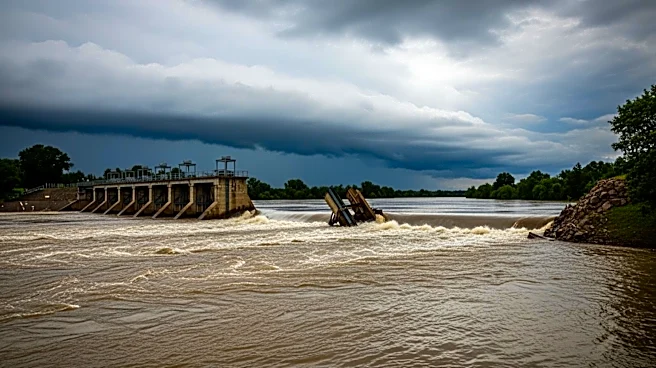
Park. The river crested on April 8, just below major flood levels, submerging roads and threatening homes. The state has seen double the normal rainfall for March, with April's first half already exceeding monthly averages. Northern Michigan faces additional challenges as snowmelt and rain have washed out roads and rendered airport runways unusable. The situation has stressed dams, with officials monitoring reservoirs and advising potential evacuations.
Why It's Important?
The flooding in Michigan highlights the increasing frequency and severity of extreme weather events, likely exacerbated by climate change. This situation poses significant risks to infrastructure, homes, and public safety, necessitating emergency responses and long-term planning to mitigate future impacts. The economic implications are substantial, with potential damage to property, transportation networks, and local economies. The event underscores the need for improved flood management strategies and infrastructure resilience to adapt to changing climate patterns.
What's Next?
Authorities are closely monitoring water levels and the integrity of dams across the state. Residents in affected areas are advised to prepare for possible evacuations as water levels continue to rise. Long-term, Michigan may need to invest in infrastructure improvements and flood prevention measures to better handle such events. The state could also explore policies to address climate change impacts, focusing on sustainable water management and community preparedness.