





What's Happening?
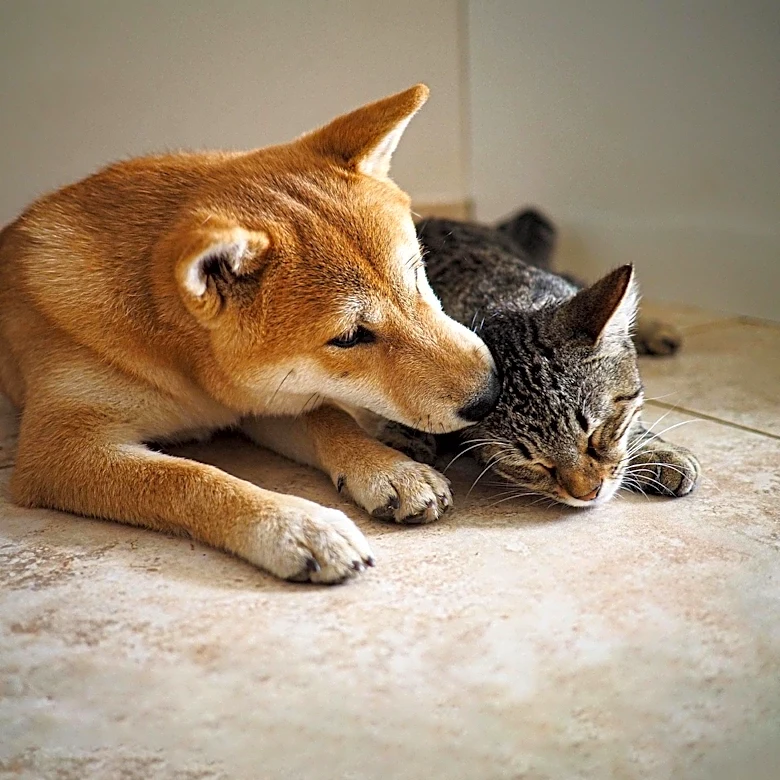
The Guam Department of Agriculture (DOAG) has outlined comprehensive requirements for animal health, specifically concerning the import and export of pets. For pets arriving from the USA, including its territories, owners must submit an application for an entry
permit at least 30 days prior to arrival, current and prior rabies certificates, and vaccination records for various diseases such as distemper, parvo, leptospirosis, and bordetella for dogs, and rhinotracheitis, calicivirus, and panleukopenia for cats. A flight itinerary, quarantine facility reservation, and FAVN test results from a CDC-approved facility are also mandatory. A health certificate from a USDA-accredited veterinarian, issued within 10 days of travel, is required. Pets meeting these criteria qualify for a 5-day or less commercial quarantine program, followed by home quarantine for the remainder of a 120-day period. International arrivals from non-exempt foreign countries have similar requirements but face stricter quarantine protocols, often requiring a full 120-day commercial quarantine. Exempt countries like Australia, British Isles, Hawaii, Japan, and New Zealand have fewer restrictions, potentially waiving quarantine if all conditions are met, including a post-arrival veterinary examination within 72 hours.
Why It's Important?
These regulations are crucial for safeguarding Guam's biosecurity and preventing the introduction and spread of animal diseases. By enforcing strict import requirements, the DOAG aims to protect both the local animal population and public health from potential zoonotic diseases. The detailed documentation and quarantine procedures minimize risks associated with animal movement, which can otherwise have significant economic impacts on agriculture and veterinary services if outbreaks occur. For pet owners, understanding and adhering to these rules is vital to ensure a smooth relocation process for their animals and avoid prolonged quarantine periods or denial of entry. The varying requirements for different origins highlight a risk-based approach to animal health, where regions with higher disease prevalence face more stringent controls. This structured approach helps maintain Guam's disease-free status for certain animal diseases, which is beneficial for its agricultural trade and tourism.
What's Next?
Pet owners planning to bring animals to Guam must meticulously follow the outlined procedures, ensuring all documentation is submitted within the specified timelines. The DOAG emphasizes that documents submitted less than 14 days prior to entry may not be processed in time, potentially leading to extended quarantine or denial. Continued vigilance from both authorities and pet owners will be necessary to uphold these biosecurity measures. The department will likely continue to review and update these regulations as global animal health landscapes evolve, particularly in response to new disease outbreaks or advancements in veterinary science. Compliance checks and post-arrival examinations will remain standard practice to ensure the health status of imported animals. For those transiting through Guam with pets, specific documentation, including an entry permit and quarantine facility reservation, is also required, indicating ongoing enforcement for all animal movements.
Beyond the Headlines
The stringent animal import regulations on Guam reflect a broader global concern for biosecurity and the interconnectedness of animal and human health. The detailed requirements, such as specific vaccination records and FAVN test results, underscore the scientific basis for disease prevention. The distinction between US, international, and exempt origins illustrates a tiered risk assessment strategy, common in international animal health policy, where countries or regions with robust disease surveillance and control programs are granted more flexibility. This framework also highlights the economic implications of animal health, as disease outbreaks can devastate livestock industries and impact trade. For Guam, an island ecosystem, the stakes are particularly high, as the introduction of a new disease could have irreversible ecological consequences. The regulations also touch upon the ethical responsibility of pet ownership, requiring owners to ensure their animals are healthy and properly vaccinated before travel, contributing to collective public health efforts.