





What's Happening?
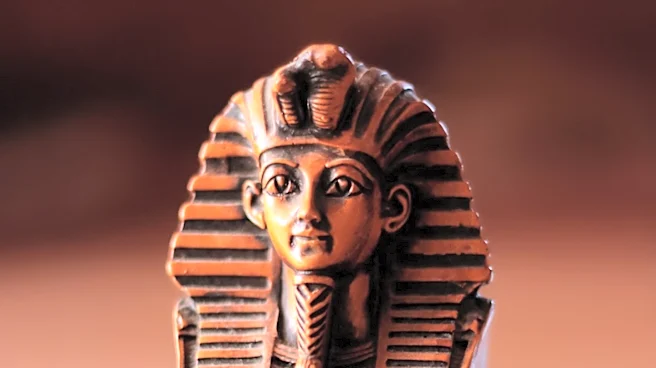
The de Young Museum in San Francisco is hosting a major exhibition titled 'Treasures of the Pharaohs,' which opened on August 1, 2026. The exhibition features 130 priceless artifacts from ancient Egypt, spanning 3,000 years. These artifacts include the necklace
of Ahhotep with golden flies and the collar of Psusennes I, which is considered the heaviest piece of jewelry from the ancient world. The exhibition also showcases a solid black granite statue of the mayor Sennefer, his wife Senetnay, and their daughter Mutnefret, highlighting the equality of women in ancient Egyptian society. The exhibition aims to provide a rare opportunity for visitors to view these culturally and financially valuable items, many of which are unlikely to travel again due to their significance and fragility.
Why It's Important?
This exhibition is significant as it brings a collection of ancient Egyptian artifacts to the United States, offering a unique educational opportunity for the public to engage with the rich history and culture of Egypt. It highlights the ongoing fascination with ancient Egypt and its treasures, which have been subjects of interest and study for centuries. The exhibition also underscores the importance of cultural preservation and the challenges associated with transporting and displaying such valuable artifacts. By attracting visitors to the museum, the exhibition supports cultural exchange and understanding, while also potentially boosting tourism and economic activity in the area.
What's Next?
The exhibition will run until January 31, 2027, providing ample time for visitors to explore the artifacts. The museum anticipates high demand, and the exhibition may encourage further collaborations between international museums and Egyptian authorities. The ultimate goal for Egyptian curators is to attract more foreign visitors to Egypt, emphasizing the need for tourism to support the preservation of over 4,000 archaeological sites in the country. This exhibition could lead to increased interest in Egyptian history and potentially inspire future exhibitions and educational programs.
Beyond the Headlines
The exhibition raises questions about the provenance of artifacts and the ethical considerations of displaying them in foreign museums. It highlights the historical context of artifact collection, often associated with colonialism and the exploitation of cultural heritage. The exhibition also serves as a reminder of the technical skill and artistry of ancient Egyptian craftsmen, as well as the cultural significance of the artifacts in understanding ancient Egyptian society and beliefs about the afterlife. These deeper implications contribute to ongoing discussions about cultural heritage and the responsibilities of museums in preserving and presenting history.