




What's Happening?
The Federal Energy Regulatory Commission (FERC) Order No. 2222 has led to a significant change in New England's wholesale electricity markets. As of November 1, ISO New England, the regional transmission organization, now permits aggregations of distributed
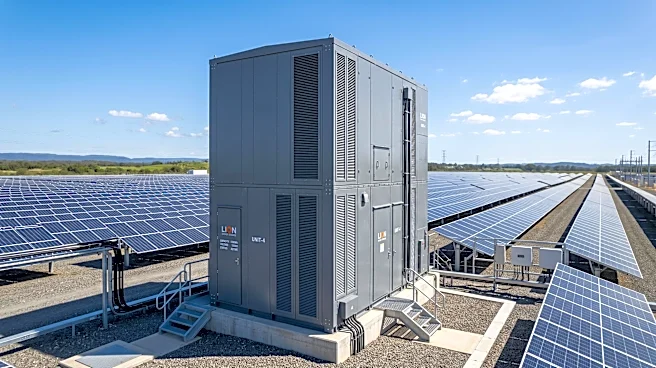
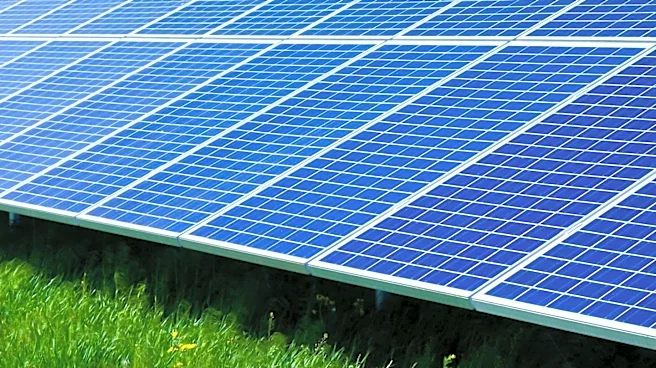
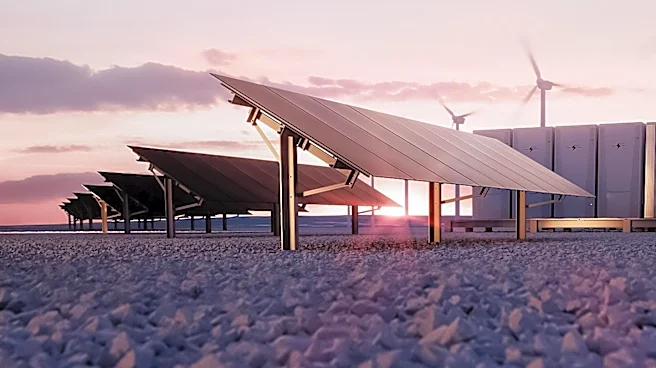
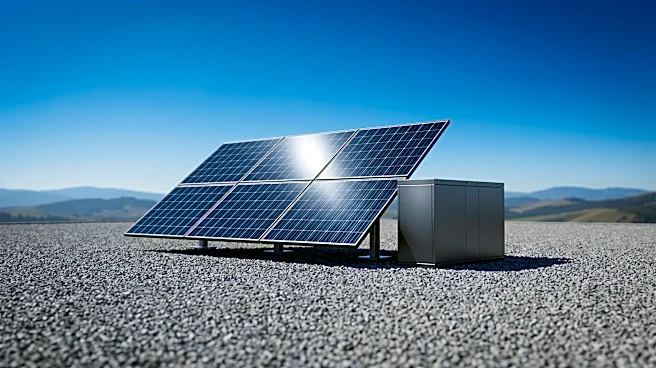
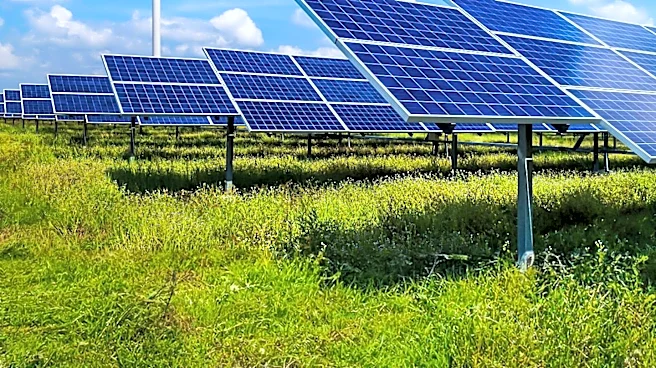
energy resources (DERAs) to participate in capacity, energy, and ancillary services markets. This means that smaller, previously ineligible energy resources like solar, battery storage, and electric vehicles can now combine and compete with traditional energy sources. The order mandates regional transmission organizations to allow DERAs to provide all wholesale market services they are technically capable of, including demand reduction, energy injection, energy withdrawal, and regulation capabilities. ISO New England undertook a comprehensive stakeholder process across the six New England states to comply with this new requirement. This development aims to integrate a wider range of energy sources into the wholesale market, potentially increasing competition and efficiency.
Why It's Important?
This change is important for the U.S. energy sector as it broadens participation in wholesale electricity markets, which were traditionally dominated by large-scale power plants. By enabling distributed energy resources to aggregate and compete, FERC Order No. 2222 fosters a more decentralized and flexible energy grid. This can lead to increased grid reliability, as a wider array of resources can contribute to energy supply and demand management. It also promotes the growth of renewable energy sources and energy storage solutions, aligning with broader clean energy goals. Consumers stand to gain from potentially lower electricity prices due to increased competition and the integration of more cost-effective distributed resources. The move also encourages innovation in energy management and aggregation technologies, creating new business opportunities for companies specializing in these areas. Conversely, traditional large-scale energy producers might face increased competition, potentially impacting their market share and profitability.
What's Next?
Following the implementation of FERC Order No. 2222 in New England, other regional transmission organizations across the U.S. are expected to follow suit, adapting their markets to accommodate distributed energy resource aggregations. This will likely lead to a nationwide shift towards more inclusive and dynamic energy markets. The success of DERAs in New England will serve as a case study for other regions, influencing the pace and specifics of their market reforms. Further technological advancements in energy storage, smart grid management, and aggregation platforms will be crucial to maximize the benefits of this new market structure. Regulatory bodies will continue to monitor the integration of DERAs to ensure grid stability and fair market practices. There may also be ongoing discussions and adjustments to market rules to optimize the participation of these new resource types.
Beyond the Headlines
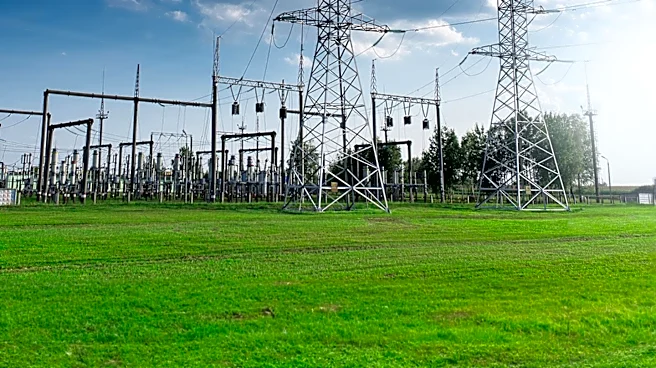
The integration of distributed energy resources into wholesale markets signifies a fundamental shift in how electricity is generated, distributed, and consumed in the U.S. It moves beyond the traditional centralized power generation model towards a more distributed and resilient energy system. This development has broader implications for energy policy, potentially accelerating the transition to a low-carbon economy and enhancing energy independence. It also raises questions about cybersecurity for a more complex and interconnected grid, as well as the need for robust regulatory frameworks to manage the increased complexity. The shift could empower local communities and individual prosumers (producers and consumers of energy) to play a more active role in the energy landscape, fostering energy democracy and local economic development. This evolution of the energy market could also influence urban planning and infrastructure development, as distributed energy resources become a more integral part of local energy ecosystems.