



What's Happening?
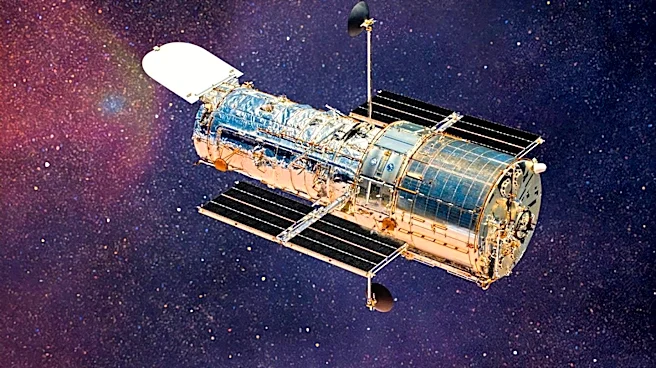
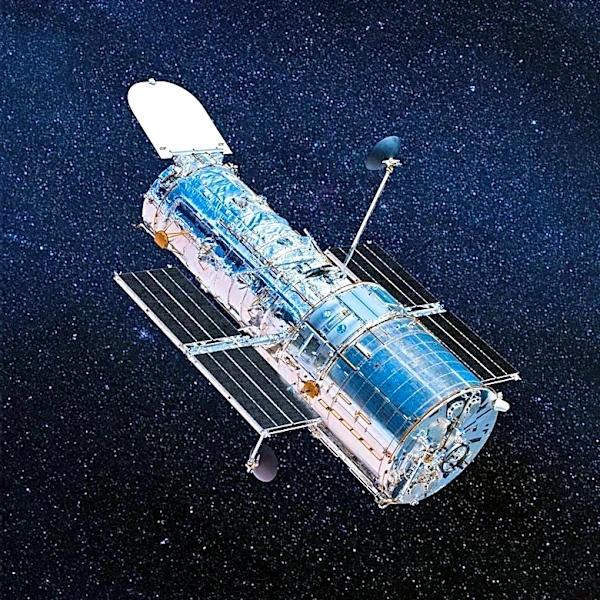
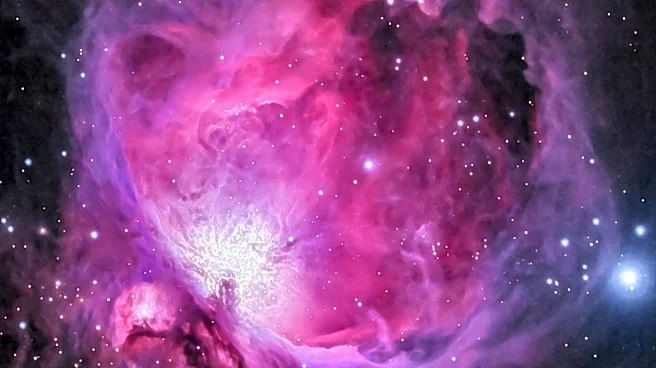
NASA's Hubble and James Webb Space Telescopes have captured detailed images of the Cat's Head Nebula, a star-forming region within the Carina Nebula, located approximately 7,500 light-years from Earth. The nebula, named for its resemblance to a cat, is
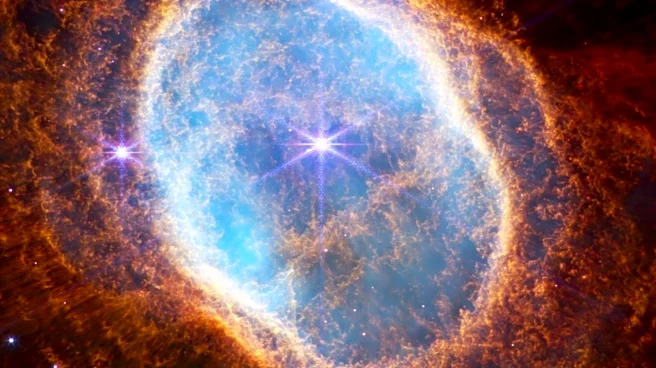
a temporary astronomical scene that will eventually disperse as stars evolve. The complementary observations from both telescopes are providing astronomers with crucial information about the complex process of star formation. Hubble's visible-light view shows an opaque dust pillar with a luminous rim of gas, where a glowing red eye may indicate a young star embedded in dust. The distinctive shape of the nebula is believed to be sculpted by intense ultraviolet radiation and winds from massive stars in the Carina Nebula. Webb's near-infrared view reveals detailed structures within the pillar, numerous stars, and background galaxies, making the filament more transparent and its surface structure discernible. The mid-infrared view from Webb further outlines intricate structures within the nebula, traced by warm dust and carbon-based molecules excited by starlight.
Why It's Important?
The combined observations from the Hubble and James Webb Space Telescopes are critical for advancing our understanding of star formation, a fundamental process in the universe. By providing multi-wavelength views, these telescopes allow scientists to pierce through dust and gas that obscure visible light, revealing hidden details of stellar nurseries. This research helps to clarify how massive stars influence their environments and how new stars are born within these dynamic regions. The data collected contributes to a more comprehensive picture of cosmic evolution, from the birth of stars to the shaping of nebulae. Understanding these processes is vital for comprehending the origins of planetary systems and the distribution of elements in the cosmos. The collaboration between these two premier space observatories maximizes their scientific output, offering unprecedented insights into the universe's mysteries.
What's Next?
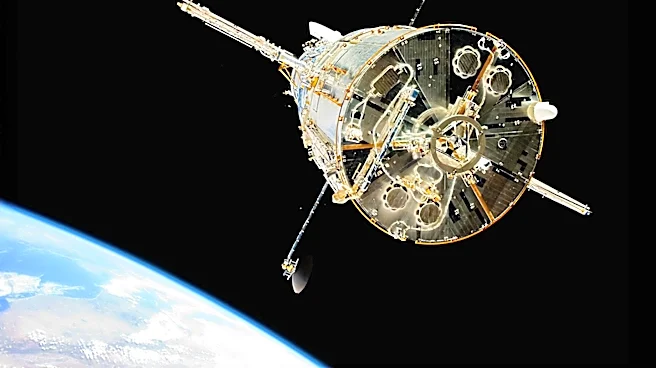
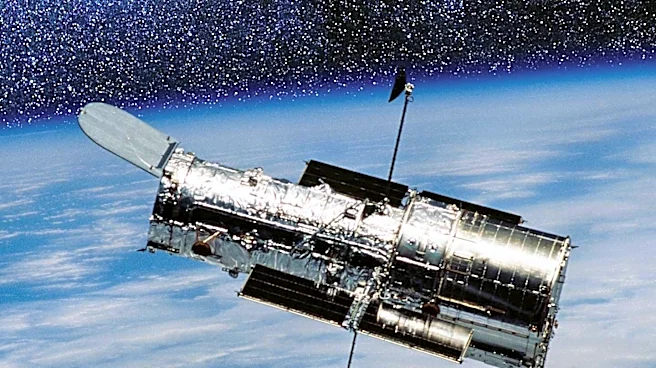
Astronomers will continue to analyze the extensive data gathered by Hubble and Webb to refine models of star formation and nebular evolution. Future research will likely focus on correlating the observations from different wavelengths to build a more complete three-dimensional map of the Cat's Head Nebula and similar regions. This will involve detailed spectroscopic analysis to determine the composition and dynamics of the gas and dust. The insights gained from this temporary star-forming scene will inform broader studies of the Carina Nebula and other star-forming regions across the galaxy. The ongoing operation of both telescopes, with Webb's superior infrared capabilities and Hubble's long-standing visible-light observations, promises further breakthroughs in understanding the life cycles of stars and galaxies.
Beyond the Headlines
The study of nebulae like the Cat's Head Nebula offers a window into the conditions that prevailed in the early universe, where star formation was more prolific. By observing these stellar nurseries, scientists can infer the processes that led to the formation of the first stars and galaxies. The interplay between massive stars, their powerful winds, and the surrounding gas and dust is a key driver of galactic evolution. This research also highlights the technological marvel of space telescopes, which enable humanity to explore the universe's most distant and obscured phenomena. The continuous stream of data from these observatories not only expands scientific knowledge but also inspires public interest in astronomy and space exploration, fostering a deeper appreciation for our place in the cosmos.