


What's Happening?
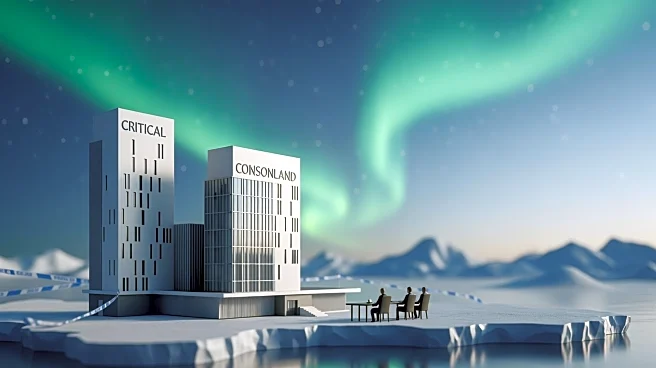
Denmark's Prime Minister, Mette Frederiksen, has publicly urged President Trump to halt any threats regarding the acquisition of Greenland. Greenland, a former Danish colony, holds the right to declare independence under a 2009 agreement but remains heavily
reliant on Danish subsidies. The Prime Minister's statement comes amid ongoing tensions over Greenland's strategic and economic significance, which has attracted interest from the United States. Frederiksen's comments were made during a press conference at a European Union leaders' summit in Brussels, emphasizing that Greenland is not for sale and highlighting the importance of respecting the autonomy and wishes of the Greenlandic people.
Why It's Important?
The situation underscores the geopolitical significance of Greenland, which is strategically located in the Arctic region. The U.S. interest in Greenland is partly driven by its potential natural resources and strategic military positioning. Denmark's firm stance against selling Greenland reflects broader concerns about sovereignty and the implications of foreign influence in the Arctic. This development could impact U.S.-Danish relations and influence Arctic policy discussions, as other nations also vie for influence in the region. The issue also highlights the complexities of international diplomacy and the challenges of balancing national interests with global cooperation.
What's Next?
Future diplomatic engagements between Denmark and the United States are likely, as both nations navigate the implications of this dispute. The situation may prompt discussions within the European Union regarding Arctic policy and the protection of member states' interests. Additionally, Greenland's government may seek to assert its autonomy more strongly, potentially exploring avenues for increased self-governance or independence. The international community will be watching closely to see how this situation evolves and what it means for Arctic geopolitics.