






What's Happening?
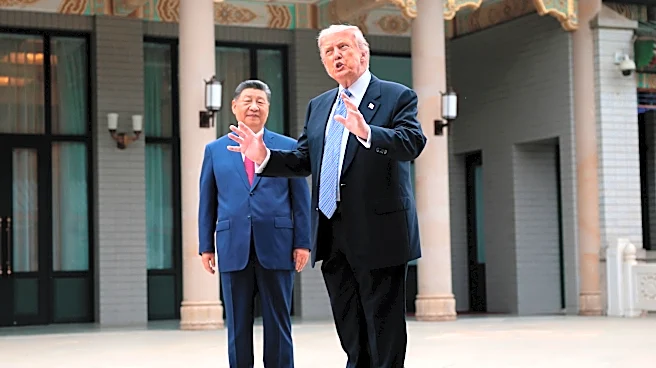
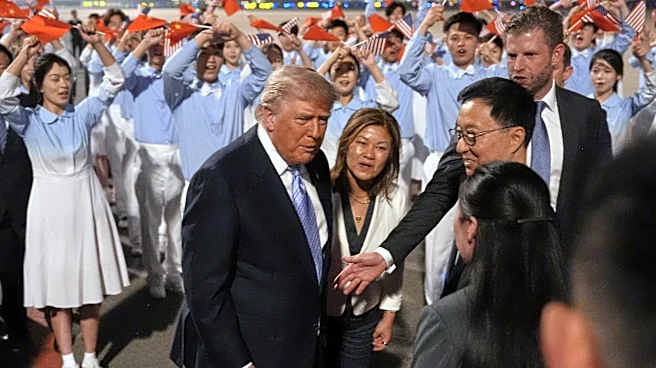
Russian President Vladimir Putin is set to visit Chinese President Xi Jinping in Beijing from May 19-20, 2026. This visit follows closely on the heels of U.S. President Donald Trump's state visit to China. The timing of Putin's visit coincides with the 25th
anniversary of the Treaty of Good-Neighbourliness and Friendly Cooperation between Russia and China. During the visit, the two leaders are expected to discuss bilateral relations, enhance their comprehensive partnership, and address key international and regional issues. The relationship between China and Russia has strengthened significantly, particularly since Russia's full-scale invasion of Ukraine in 2022, which has led to Moscow's increased reliance on Beijing for trade due to Western sanctions.
Why It's Important?
The visit underscores the deepening ties between Russia and China, which have become increasingly significant in the context of global geopolitics. As Western sanctions continue to isolate Russia economically, China has emerged as a crucial ally, providing economic support and a market for Russian goods. This partnership is pivotal for Russia as it navigates the economic challenges posed by its ongoing conflict with Ukraine. For China, strengthening ties with Russia offers strategic advantages, including a counterbalance to Western influence and a partner in addressing regional security issues. The meeting between Putin and Xi could further solidify this alliance, impacting global trade dynamics and diplomatic relations.
What's Next?
Following this visit, President Putin is also scheduled to attend the Asia-Pacific Economic Cooperation summit in Shenzhen, China, in November. This continued engagement with China suggests a long-term strategy to bolster economic and strategic ties. The outcomes of these meetings could influence future diplomatic and economic policies, particularly in how Russia and China position themselves against Western powers. Observers will be watching for any new agreements or initiatives that may emerge from these discussions, which could have significant implications for international relations and economic policies.