


What's Happening?
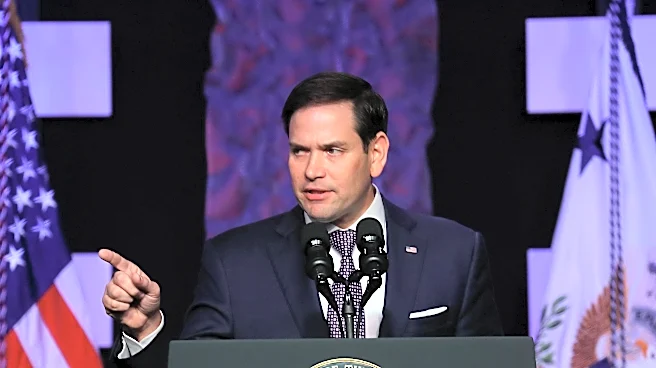
Secretary of State Marco Rubio has publicly stated there is “zero” evidence to suggest that recent widespread service outages across the United States are linked to each other or to any malicious actors. This assurance comes as the U.S. has experienced
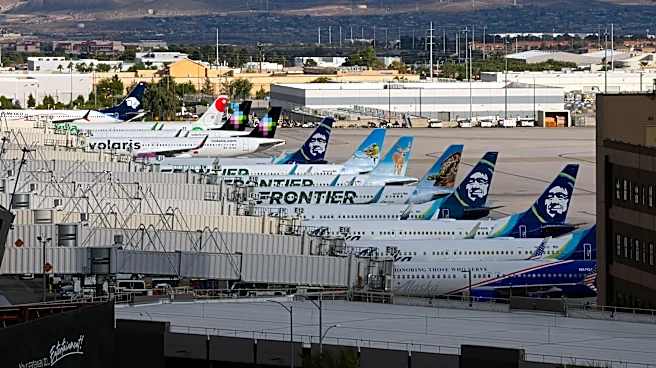
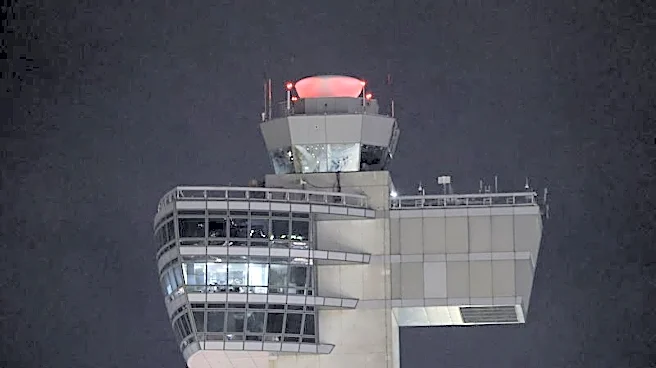
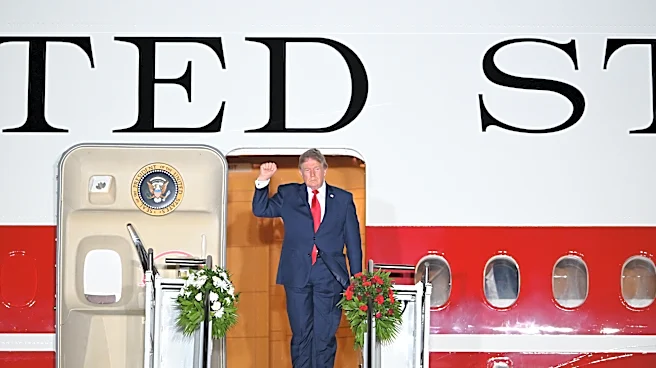
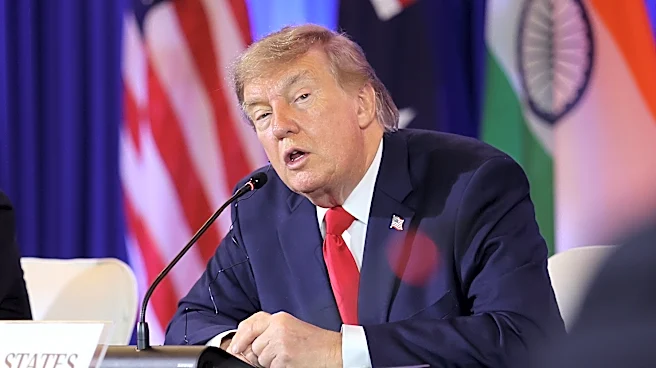
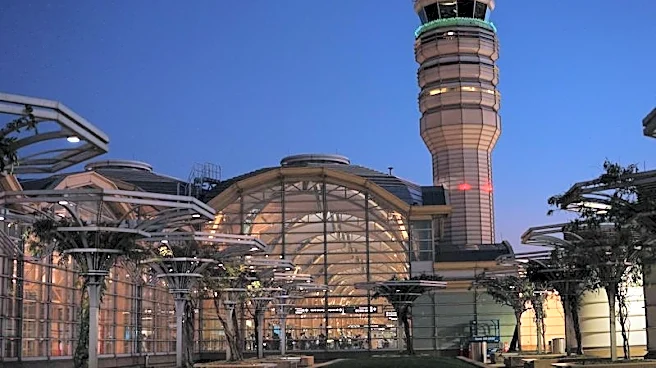
a series of technical failures affecting major entities including Microsoft, Chase Bank, air traffic control, and the National Security Agency. President Trump, when questioned about the Chase outage, dismissed concerns, attributing the incidents to the nature of large, powerful entities. However, this nonchalant response has drawn criticism from both political allies and opponents, who are demanding greater transparency and explanation from the White House. The outages began with Microsoft's email services, followed by a nationwide grounding of flights due to an FAA router upgrade. JPMorgan Chase experienced a software bug affecting online banking, and the NSA's classified communications network went offline due to routine maintenance. Director of National Intelligence Jay Clayton also affirmed that the U.S. government believes these incidents are not cyberattacks but rather consequences of security upgrades or unexpected technical hiccups.
Why It's Important?
The series of unexplained outages has created significant public unease and distrust in government and large institutions, highlighting the vulnerabilities of interconnected technological networks. The lack of a unified, reassuring message from the administration, particularly President Trump's dismissive stance, has fueled speculation and calls for greater transparency. This situation underscores the critical importance of robust cybersecurity infrastructure and clear communication strategies during times of national technical disruption. The public's reliance on these systems for daily life, from financial transactions to air travel and communication, means that any widespread failure can have immediate and far-reaching economic and social consequences. The differing responses from administration officials also expose potential rifts in how such crises are perceived and managed at the highest levels, potentially impacting public confidence in the government's ability to safeguard critical national infrastructure.
What's Next?
The immediate focus will likely remain on restoring full functionality to all affected systems and providing more detailed, consistent explanations for each incident. The White House may face continued pressure from lawmakers and the public to offer a more comprehensive and reassuring account of the events, potentially leading to further official statements or briefings. Stakeholders, including technology companies, financial institutions, and government agencies, will likely review their protocols for system upgrades, maintenance, and incident response to prevent future widespread disruptions. There could also be increased scrutiny on federal cybersecurity policies and funding, with calls for enhanced investment in resilient infrastructure. Public opinion will continue to be shaped by how effectively the administration addresses ongoing concerns and demonstrates its commitment to preventing similar occurrences.
Beyond the Headlines
Beyond the immediate technical fixes, these outages highlight a deeper societal vulnerability to technological interdependence. The cascade of failures, even if unrelated, exposes how a single point of failure in one system can have ripple effects across seemingly disparate sectors. This raises questions about systemic risk in an increasingly digital world and the need for greater redundancy and resilience in critical infrastructure. Ethically, the administration's communication strategy, particularly President Trump's initial dismissal of concerns, could erode public trust in official narratives during crises. Legally, these events may prompt discussions about regulatory frameworks for critical infrastructure providers and their accountability in maintaining service reliability. Culturally, the incidents reinforce a growing public anxiety about the fragility of modern conveniences and the potential for widespread disruption in an era of advanced technology.