




What's Happening?
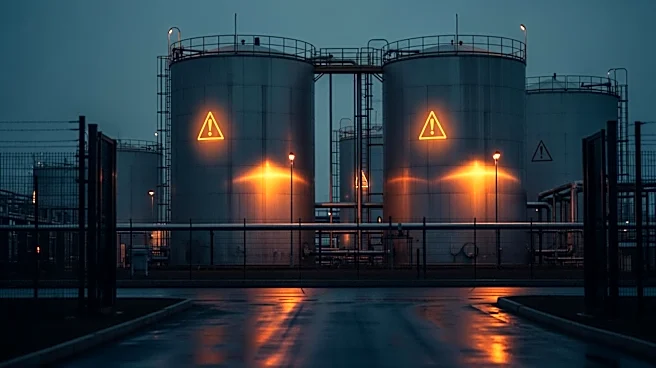
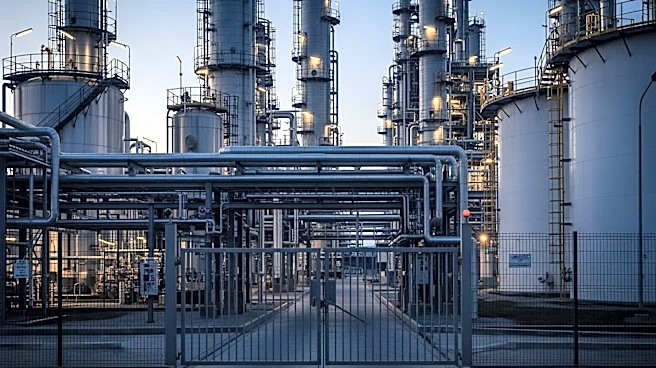
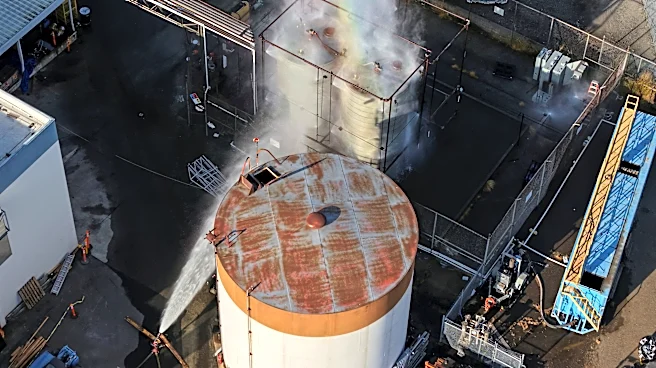
The Federal Bureau of Investigation (FBI) executed a search warrant at a chemical plant in Garden Grove, California, operated by GKN Aerospace. This action follows a previous incident in May where a compromised tank containing toxic chemicals threatened
to leak or explode, leading to the temporary evacuation of over 50,000 residents. The FBI's investigation aims to uncover potential violations related to the accidental release of hazardous substances. The compromised tank, which contained methyl methacrylate, posed a significant public safety risk, although an explosion was ultimately averted. Residents affected by the evacuation have filed class action lawsuits against the company, alleging negligence and seeking compensation for property damage and loss of use.
Why It's Important?
The FBI's involvement underscores the severity of the safety concerns at the Garden Grove facility and highlights the potential legal and financial repercussions for GKN Aerospace. The incident has raised public awareness about the risks associated with storing and handling toxic chemicals, particularly in densely populated areas. The class action lawsuits filed by residents could lead to significant financial liabilities for the company if negligence is proven. Additionally, the investigation may prompt stricter regulatory oversight and enforcement of safety standards in the chemical manufacturing industry, potentially affecting operational practices and compliance costs for similar facilities nationwide.
What's Next?
The ongoing investigation by the FBI will likely focus on identifying specific regulatory violations and determining accountability for the incident. The outcome could influence future regulatory policies and enforcement actions in the chemical industry. GKN Aerospace may face increased scrutiny and pressure to enhance safety measures at its facilities. The resolution of the class action lawsuits will also be closely watched, as it could set a precedent for similar cases involving industrial accidents and public safety risks. Stakeholders, including local government officials and environmental groups, may advocate for more stringent safety regulations to prevent future incidents.