



What's Happening?
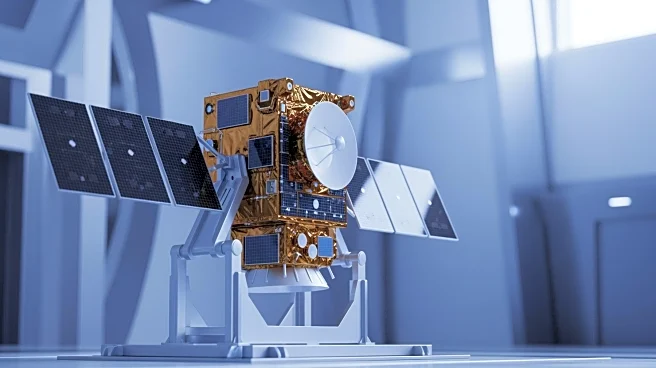
The Indian Space Research Organisation (ISRO) has successfully launched its LVM3-M6 rocket, carrying the BlueBird Block-2 communication satellite, from the Satish Dhawan Space Centre. This launch marks a significant milestone as it is the heaviest satellite to be
launched from Indian soil. The satellite is part of a collaboration with the U.S.-based AST SpaceMobile, which aims to build the first space-based cellular broadband network. This development is a continuation of U.S.-India space collaborations, following the NASA-ISRO Synthetic Aperture Radar mission earlier this year.
Why It's Important?
This launch underscores the strengthening of U.S.-India relations in the space sector, providing a commercial alternative to existing satellite constellations like SpaceX. It enhances India's position in the global space market, showcasing its capability to handle heavy-lift launches. The collaboration with AST SpaceMobile also highlights the potential for technological advancements in global connectivity, aiming to provide mobile signals in remote areas. This could have significant implications for global communication networks, potentially reducing the digital divide.
What's Next?
AST SpaceMobile plans to continue its satellite deployment, with a target of launching 45 to 60 satellites by the end of 2026. This expansion is expected to enhance global connectivity, offering 4G and 5G services directly to smartphones without the need for ground stations. The success of this mission may lead to further collaborations between India and other countries in the space sector, potentially increasing India's role in international space exploration and commercial satellite launches.