







What's Happening?
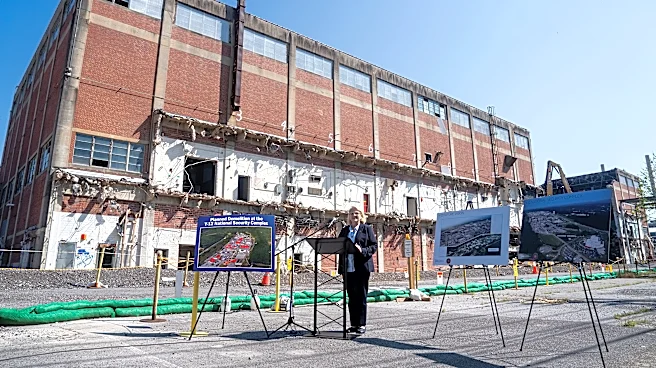
The U.S. Department of Energy (DOE) has identified Utah, Tennessee, Oklahoma, Louisiana, and Idaho as finalists to host Nuclear Lifecycle Innovation Campuses. These campuses are part of a federal initiative to create integrated nuclear ecosystems that
encompass fuel fabrication, enrichment, spent fuel reprocessing, and waste management. U.S. Secretary of Energy Chris Wright signed non-binding memorandums of understanding with these states to further evaluate potential sites and development structures. The DOE plans to select three of these states by the end of 2026. Each state has linked its proposal to existing nuclear and energy development efforts, such as Utah's Operation Gigawatt and Tennessee's Oak Ridge legacy.
Why It's Important?
This initiative is significant as it aims to revitalize the U.S. nuclear fuel cycle, which is crucial for energy security and reducing carbon emissions. By establishing these campuses, the DOE seeks to foster innovation in nuclear technology and create long-term industrial clusters. The selected states could benefit economically through job creation and infrastructure development. Additionally, these campuses could serve as testbeds for next-generation reactors and energy-intensive digital infrastructure, potentially positioning the U.S. as a leader in nuclear technology.
What's Next?
The DOE will continue to evaluate the proposals from the five finalist states, with a focus on their ability to meet ambitious timelines for campus deployment. The selected states will need to enter legally binding agreements with the DOE, outlining responsibilities for site development and waste management. The initiative's success will depend on the states' ability to secure private-sector partnerships and funding, as well as their readiness to address regulatory and infrastructure challenges.