






What's Happening?
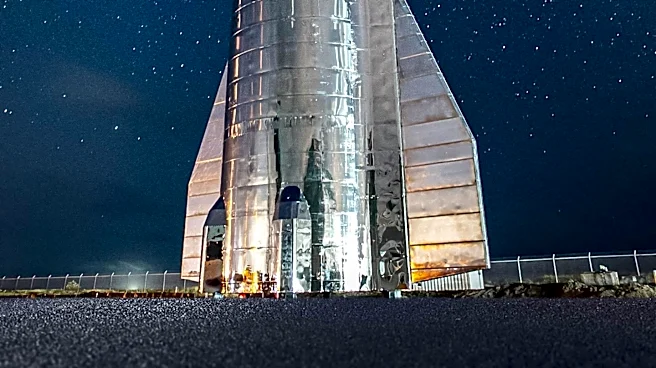
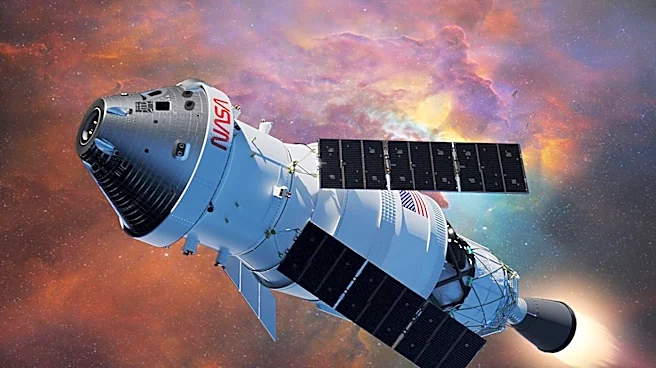
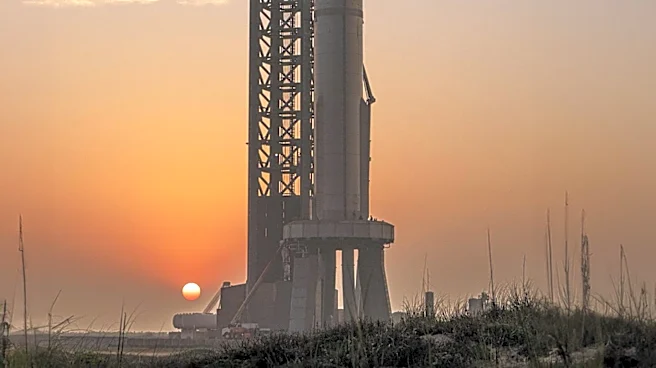
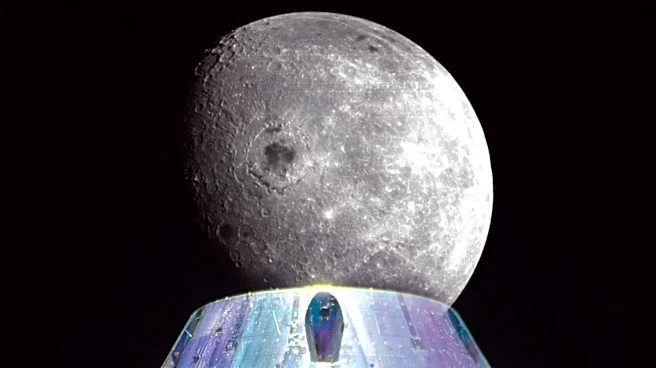
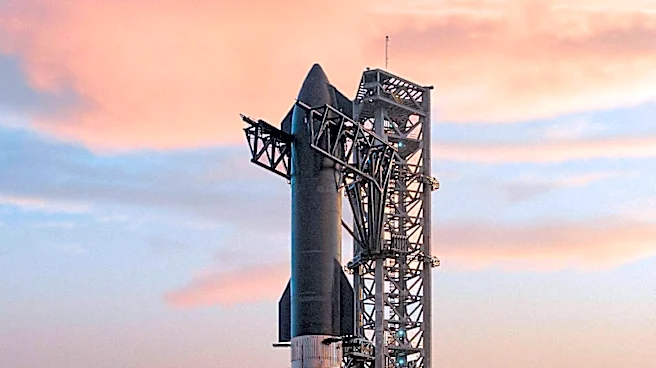
NASA's Artemis program, which aims to return astronauts to the lunar surface, relies on SpaceX's Starship as its human landing system. However, recent media analyses from Space.com, Texas Standard, and Shattered.io highlight significant uncertainties
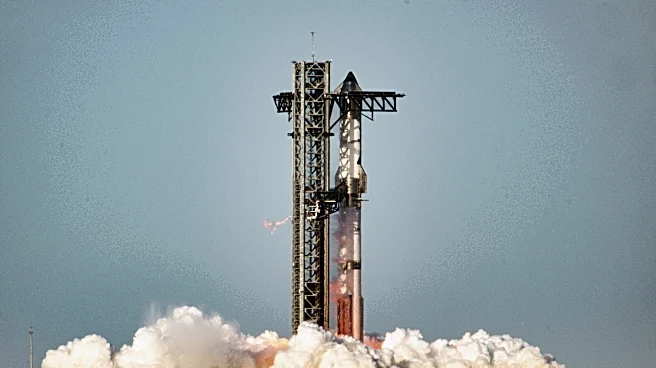
regarding the number of Starship launches required for lunar missions and the feasibility of its orbital refueling plan. A crewed lunar landing necessitates orbital refueling because a fully fueled Starship cannot reach the Moon from Earth's surface without additional propellant. This process involves launching tanker Starships to transfer propellant to a depot or directly to the lander in low Earth orbit. The exact number of tanker launches and the overall launch count for a crewed mission remain unconfirmed by official SpaceX or NASA statements, despite previous estimates of 6-8 launches. The complexity of this refueling sequence is a subject of ongoing engineering discussion, with key program parameters publicly uncertain.
Why It's Important?
The lack of official confirmation regarding Starship's launch count and refueling architecture has significant implications for NASA's Artemis schedule and budget planning. If the actual number of launches required for lunar missions is higher than current public estimates, it could lead to increased mission costs and extended timelines. This uncertainty also affects the broader aerospace industry, as Starship's development and its role in the Artemis program are closely watched. The reliance on a complex orbital refueling process, which is still being refined, introduces potential risks and challenges to the mission's success. Furthermore, the media's questioning of whether SpaceX still 'needs' NASA as it once did suggests a potential shift in the power dynamics between the private space company and the government agency, which could influence future collaborations and funding models for space exploration.
What's Next?
The immediate next steps involve continued development and testing of Starship, particularly focusing on the orbital refueling capabilities. NASA and SpaceX will need to provide more definitive information regarding the launch cadence and the finalized refueling architecture to ensure the Artemis program stays on track. Engineers will continue to refine aspects such as boil-off rates, transfer efficiency, and vehicle dry mass, which directly impact the number of tanker launches needed. Regulatory processes for additional launch sites, such as those at Kennedy Space Center and Cape Canaveral, will also be crucial for enabling the high launch cadence envisioned by SpaceX. The ongoing media scrutiny will likely push for greater transparency and official statements from both SpaceX and NASA regarding these critical mission parameters.
Beyond the Headlines
The ongoing uncertainties surrounding Starship's lunar mission plans highlight the inherent challenges and complexities of ambitious space exploration endeavors, particularly those involving novel technologies like fully reusable super heavy-lift rockets and orbital refueling. This situation also underscores the evolving relationship between government space agencies and private aerospace companies. While private companies like SpaceX bring innovation and rapid development, the integration of their technologies into national programs like Artemis requires rigorous validation and clear communication of technical and operational parameters. The public and media's reliance on unofficial estimates and speculation, in the absence of confirmed data, can create a narrative that may not fully reflect the technical realities or the iterative nature of complex engineering projects. This dynamic emphasizes the need for transparent and timely updates from official sources to manage expectations and maintain public confidence in long-term space goals.