

What's Happening?
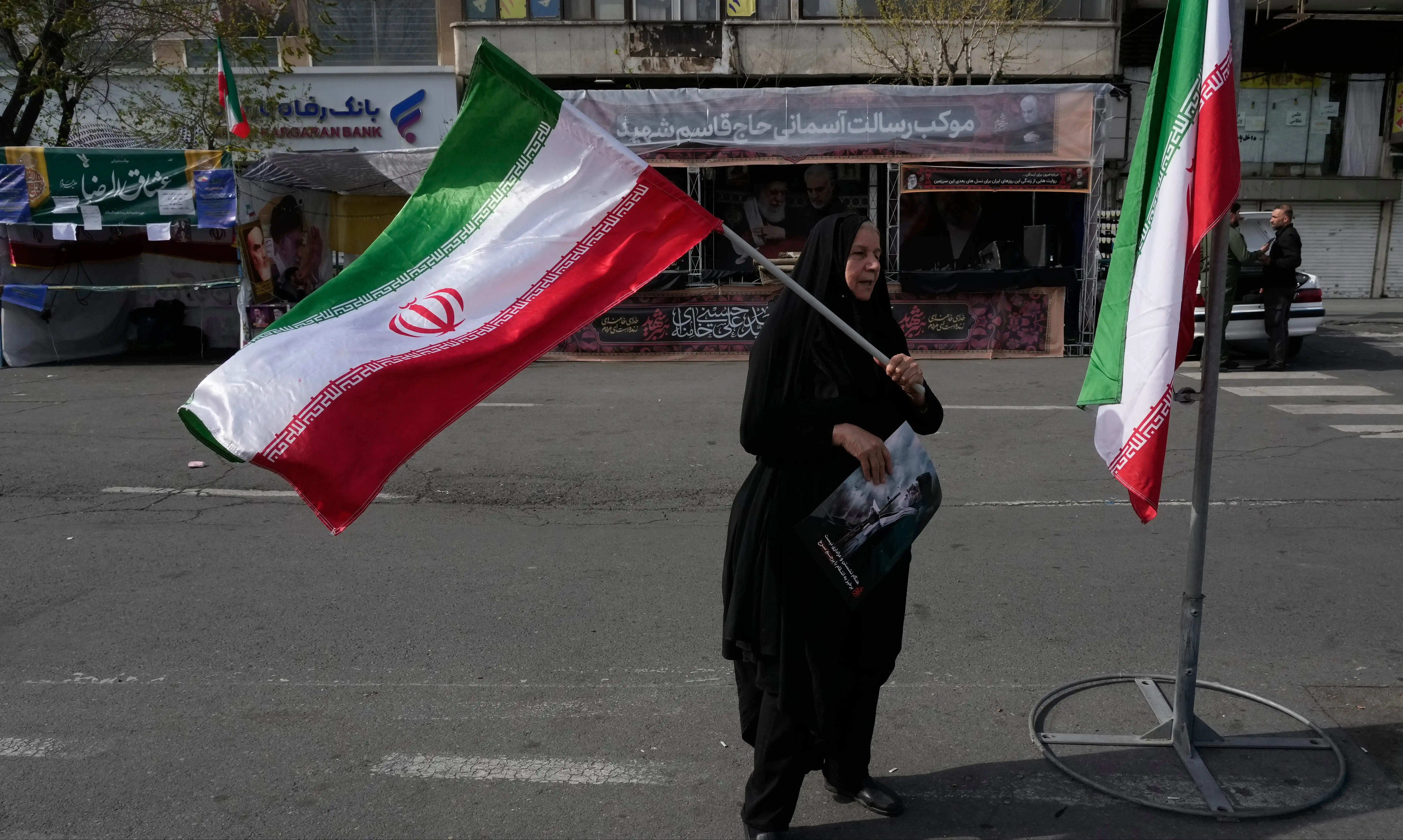
The Trump administration has temporarily waived sanctions on the purchase of Russian and Iranian oil, which is currently stranded at sea, in an effort to alleviate a global supply crisis. This decision comes as oil prices have surged to over $100 per
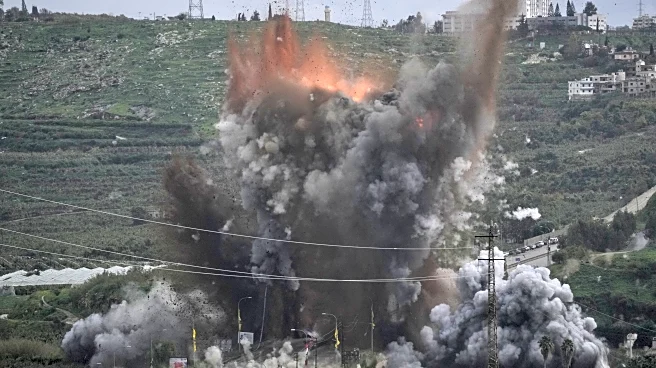
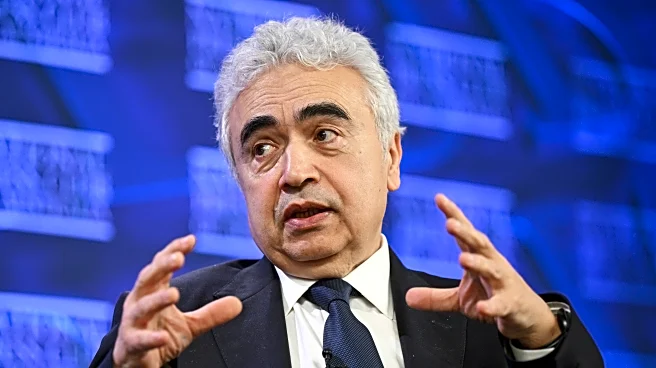
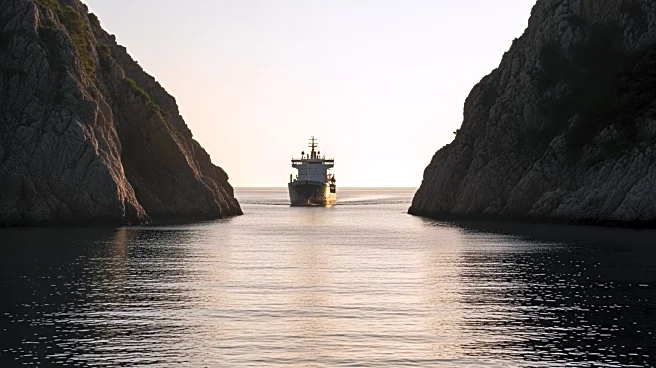
barrel due to the closure of the Strait of Hormuz, a critical route for global oil and LNG supplies, amid the U.S.-Israeli conflict with Iran. Japan, heavily reliant on Middle Eastern oil, is exploring alternative crude oil sources in North America, including potential investments in Alaska, to diversify its supply. Japanese Prime Minister Sanae Takaichi, during a recent visit to the U.S., discussed boosting energy production in the U.S. and stockpiling American oil. The International Energy Agency is also consulting with governments in Asia and Europe on the potential release of more stockpiled oil if necessary.
Why It's Important?
The temporary waiver of sanctions on Russian and Iranian oil by the Trump administration is a significant move aimed at stabilizing global oil markets amid geopolitical tensions. The closure of the Strait of Hormuz has disrupted a major portion of the world's oil supply, leading to increased prices and potential economic repercussions. Japan's efforts to diversify its oil sources highlight the global impact of the crisis and the need for countries to secure stable energy supplies. The situation underscores the interconnectedness of global energy markets and the potential for geopolitical conflicts to have widespread economic consequences. The involvement of the International Energy Agency indicates a coordinated international response to manage the crisis and mitigate its impact on global economies.
What's Next?
Japan may continue to explore and invest in alternative oil sources, such as those in North America, to reduce its dependency on Middle Eastern oil. The Trump administration's decision to waive sanctions could lead to further diplomatic negotiations and adjustments in international energy policies. The ongoing conflict and its impact on oil supply may prompt other countries to reassess their energy strategies and stockpile reserves. The International Energy Agency's consultations could result in coordinated releases of oil reserves to stabilize markets. The situation remains fluid, with potential for further developments depending on the geopolitical landscape and the resolution of the U.S.-Israeli conflict with Iran.