






What's Happening?
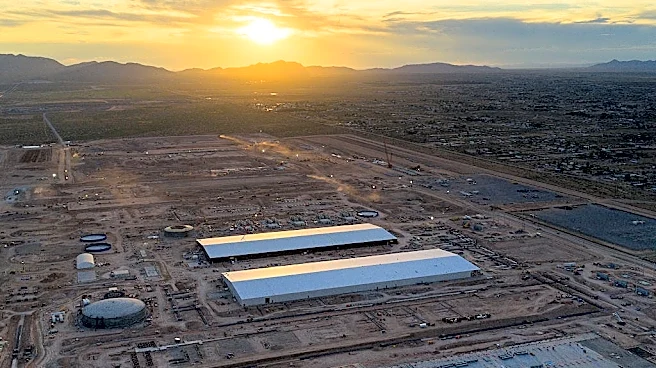
Governors in several U.S. states are increasingly scrutinizing and taking action against the proliferation of data centers, driven by public backlash and upcoming elections. Pennsylvania Governor Josh Shapiro, a Democrat, announced that his administration
will no longer prioritize data center projects for construction permits or tax exemptions unless they meet strict standards, including paying the full cost of electricity and demonstrating water conservation efforts. These projects must also secure local approval before state consideration. This move comes as Shapiro faces pressure from his Republican opponent, Stacy Garrity, and as communities across Pennsylvania resist proposed data centers. Similarly, Texas Governor Greg Abbott, a Republican, has ordered regulators to ensure data centers do not lead to higher electricity bills for Texans and plans to introduce legislation to impose regulations and potentially remove tax breaks for these facilities. Democratic challenger Gina Hinojosa has criticized Abbott for his past support of data centers. This shift in stance by governors reflects a broader trend of local opposition to data centers due to concerns about their environmental and community impact.
Why It's Important?
The growing political and public opposition to data centers has significant implications for the U.S. technology and energy sectors. Data centers, essential for powering artificial intelligence and cloud computing, are massive energy and water consumers. The new regulations and increased scrutiny from state governors could lead to higher operating costs for tech giants and developers, potentially slowing down the expansion of critical digital infrastructure. The reevaluation of tax incentives, such as the sales tax exemption in Arizona and the halted exemptions in Illinois, could diminish the financial attractiveness of certain states for data center development. This trend highlights a conflict between technological advancement and local community concerns over resource consumption and environmental impact. The political pressure on governors, particularly in battleground states, underscores how local issues can become central to statewide elections, influencing policy decisions that affect national industries. The shift from actively recruiting data centers to imposing stricter controls indicates a rebalancing of priorities, where community well-being and resource management are gaining precedence over unchecked industrial growth.
What's Next?
The actions taken by governors in Pennsylvania and Texas are likely to set a precedent for other states grappling with similar issues. We can anticipate more states implementing stricter regulations on data center development, potentially including requirements for energy and water efficiency, local community approval, and a reevaluation of tax incentives. The upcoming legislative sessions in states like Texas will be crucial in determining the extent of these new regulations and whether existing tax breaks will be curtailed. Developers of data centers will need to adapt to these evolving regulatory landscapes, potentially investing more in sustainable technologies and engaging more proactively with local communities to gain approval. The political discourse surrounding data centers is expected to intensify as midterm elections approach, with challengers continuing to leverage public discontent. This could lead to a more fragmented regulatory environment across the U.S., where the ease of establishing data centers varies significantly by state, influencing future investment and development patterns in the tech industry.
Beyond the Headlines
The increasing 'toxic politics' surrounding data centers reveals deeper societal tensions regarding technological progress, environmental sustainability, and local autonomy. The backlash against these facilities, often described as 'energy-hungry behemoths,' reflects a growing awareness of the environmental footprint of digital infrastructure. Concerns about open space, farmland preservation, water scarcity, and the noise pollution from diesel generators highlight a fundamental conflict between industrial expansion and quality of life in rural and suburban communities. The reclassification of data centers from economic boons to potential liabilities in political discourse suggests a shift in public perception, where the benefits of tech development are being weighed against its local costs. This situation also underscores the power of local activism in influencing state-level policy, as angry residents packing municipal meetings are forcing governors to reconsider their stances. The long-term implications could include a push for more decentralized data storage solutions, greater investment in renewable energy sources for data centers, and a redefinition of 'progress' that more explicitly incorporates environmental and community well-being.