



What's Happening?
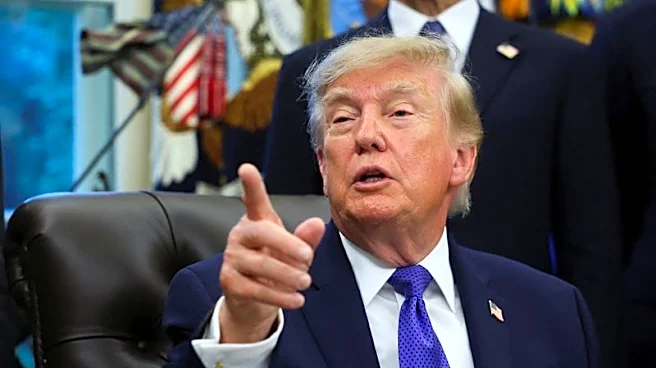
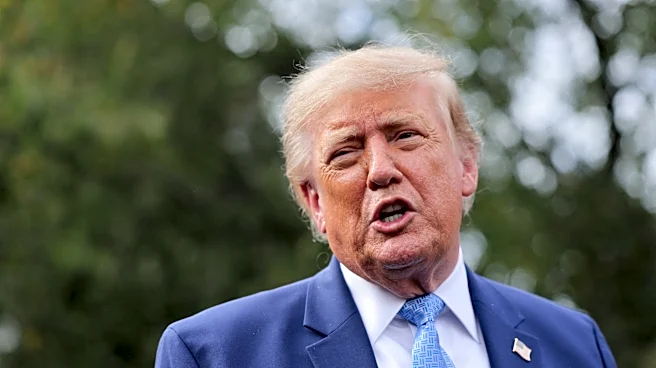
Rep. Thomas Massie (R-KY) and Rep. Morgan McGarvey (D-KY) have both criticized recent videos released by the White House, asserting that they function as campaign advertisements for President Trump, despite being funded by U.S. taxpayers. The videos,
one of which is nearly identical to a 2024 campaign ad President Trump previously posted, are labeled as 'Paid for by the U.S. Government.' Ad-tracking platform AdImpact shared the new video on social media. Rep. Massie, who lost the Republican primary to President Trump's endorsed candidate, Ed Gallrein, commented online that using taxpayer dollars for 'ominous campaign ads' is characteristic of 'banana republics.' Rep. McGarvey echoed this sentiment, calling the videos 'campaign ads' and stating that the White House is 'clearly campaigning for the president, putting out propaganda… using taxpayer dollars to do it.' The White House, in a September 25 release, countered that the announcements are not campaign ads, as President Trump is not on the ballot and there is no call to action, but rather a reminder for Americans to 'love their country and know why it’s worth defending.'
Why It's Important?
This controversy highlights a significant ethical and legal debate regarding the use of taxpayer funds for what some perceive as political campaigning. The distinction between official government communications and campaign materials is crucial for maintaining the integrity of democratic processes and preventing the misuse of public resources. If government-funded videos are indeed functioning as campaign ads, it could erode public trust in the administration and raise questions about accountability and transparency. This issue is particularly salient given the proximity to the November midterm elections, as such videos could be seen as an attempt to influence public opinion and voter sentiment. The criticism from both Republican and Democratic lawmakers underscores a bipartisan concern about the potential blurring of lines between government functions and political campaigns, which could have long-term implications for campaign finance regulations and ethical guidelines for public officials.
What's Next?
The House Oversight Committee is reportedly investigating the matter, indicating that formal scrutiny into the use of taxpayer funds for these videos is underway. This investigation could lead to findings of misuse of funds, potentially resulting in recommendations for new legislation or stricter enforcement of existing rules governing government communications. The White House will likely continue to defend the videos as legitimate public service announcements, while critics will push for greater transparency and accountability. The outcome of this investigation and the broader public discourse could influence how future administrations utilize government resources for public messaging, especially during election cycles. Depending on the findings, there could be calls for the Government Accountability Office (GAO) or other oversight bodies to issue clearer guidelines on what constitutes appropriate use of taxpayer funds for official communications versus political advertising.
Beyond the Headlines
Beyond the immediate political implications, this situation touches upon the broader issue of information control and the potential for governments to shape public narratives using public funds. In an era of heightened political polarization and the rapid dissemination of information through social media, the line between informing the public and influencing political outcomes can become increasingly blurred. This incident could spark a deeper conversation about the role of government in public discourse, the ethical responsibilities of elected officials, and the mechanisms in place to prevent the weaponization of official communications for partisan gain. It also raises questions about media literacy and the public's ability to discern between objective information and politically motivated content, underscoring the need for robust independent journalism and oversight to safeguard democratic principles.