

What's Happening?
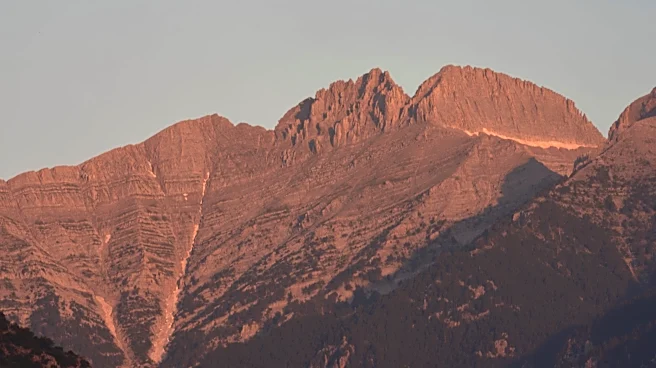
The United Nations Educational, Scientific and Cultural Organization (UNESCO) has added the Normandy D-Day beaches and Greece's Mount Olympus to its World Heritage List. This decision was made during a meeting of the UNESCO World Heritage Committee in Busan,
South Korea. The Normandy beaches, including Omaha, Utah, Sword, Gold, and Juno, along with Pointe du Hoc, are recognized for their historical significance as the site of the Allied invasion during World War II. This operation marked a pivotal moment in the liberation of Western Europe from Nazi control. The designation aims to preserve the extensive evidence of the landings, such as German defensive positions and wartime damage. Mount Olympus, known in Greek mythology as the home of the Olympian gods, was also added to the list, highlighting its cultural and natural significance. The mountain is noted for its rich biodiversity and ecological importance.
Why It's Important?
The inclusion of these sites on the World Heritage List underscores their global cultural and historical importance. For the Normandy beaches, this recognition serves as a reminder of the sacrifices made during World War II and the subsequent peace and freedom that followed. It also highlights the need for preservation amid challenges like tourism and climate change. For Mount Olympus, the designation not only acknowledges its mythological and ecological value but also supports conservation efforts. These recognitions can boost tourism, enhance global awareness, and encourage preservation initiatives, providing economic and educational benefits to the regions involved.
What's Next?
The UNESCO designation brings both recognition and responsibility. For the Normandy sites, there will be a focus on implementing stronger conservation measures to protect against environmental and developmental pressures. In Greece, the recognition of Mount Olympus is expected to bolster conservation efforts and manage visitor numbers to preserve its ecological and cultural integrity. Both sites will likely see increased international attention and tourism, which could lead to further investments in preservation and infrastructure.