




What's Happening?
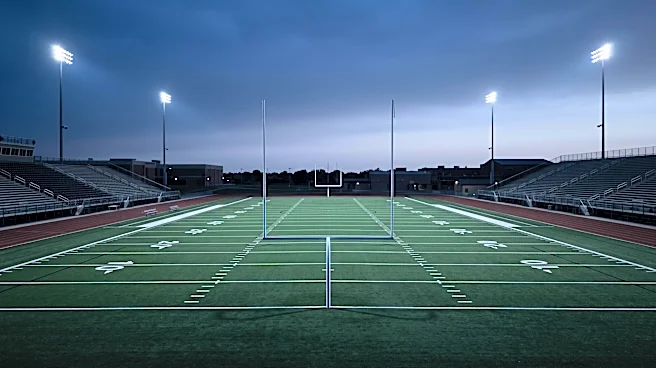
A high school football game in Jacksonville, Florida, ended in gunfire on Friday night at Lonnie C. Miller Sr. Regional Park, resulting in two people being shot, including 20-year-old Zakyri Crews. His father, James Crews, learned of the incident when
a parent came to their home to deliver the news. Zakyri was struck in the shoulder, and a 19-year-old woman was also shot in the leg; both sustained non-life-threatening injuries. Zakyri's injury is severe, requiring surgery to insert a metal rod in his arm, an ailment his father believes will affect him for the rest of his life, both physically and mentally. Investigators from the Jacksonville Sheriff’s Office (JSO) believe the shooting stemmed from an ongoing dispute between two groups. One group was escorted out of the game between Young Kids in Motion Academy and Joshua Christian Academy but later returned, leading to the gunfire. JSO describes the two men responsible as being in their late teens to early 20s, who fled the scene. No arrests have been made, and the investigation is ongoing.
Why It's Important?
This incident underscores the escalating issue of gun violence impacting public events, including high school sports, in the U.S. The shooting at a community football game not only endangers attendees but also erodes the sense of safety in public spaces, particularly for youth. For Zakyri Crews, a young man who loves football, the physical and psychological trauma of being shot will have long-lasting consequences, highlighting the devastating personal cost of such violence. His father, James Crews, who is also a youth violence prevention advocate, emphasizes that the solution lies in providing more resources for youth, rather than solely focusing on enforcement. This perspective is crucial as it points to systemic issues such as lack of opportunities and community investment that can contribute to youth violence. The event also puts pressure on local authorities and city councils to address public safety concerns and invest in preventative measures to protect communities and ensure the safety of recreational activities.
What's Next?
The Jacksonville Sheriff’s Office will continue its investigation into the shooting, seeking to identify and apprehend the two men responsible. The public is urged to provide any information to JSO or through Crime Stoppers. For Zakyri Crews, the immediate future involves surgery and a long recovery process, both physically and mentally. His father, James Crews, along with community leader John Marcus, will likely intensify their advocacy for increased resources and investment in Jacksonville's Northside to combat youth violence. This incident may prompt discussions among local government officials, school districts, and community organizations about enhancing security measures at public events and implementing more effective youth intervention programs. The call for City Council members to engage more with the community outside of election times suggests a push for more proactive and sustained efforts to address the root causes of violence. The outcome of the investigation and the community's response will be critical in shaping future public safety strategies in Jacksonville.
Beyond the Headlines
This shooting transcends a typical crime report, revealing deeper societal challenges related to youth violence, community investment, and the erosion of safe public spaces. The father's poignant statement, "Nobody should be talking about, ‘I got shot at 20,’ when you’re going to go play a football game," encapsulates the tragic loss of innocence and opportunity for young people caught in cycles of violence. The incident highlights the critical need for comprehensive approaches that go beyond law enforcement, focusing on social determinants of health and safety, such as access to education, mentorship, and recreational programs. The call for greater investment in underserved communities by local leaders like John Marcus suggests that addressing systemic inequalities is paramount to preventing future violence. This event serves as a stark reminder that the safety of public gatherings, especially those involving youth, is a collective responsibility requiring sustained commitment from government, community leaders, and citizens to foster environments where young people can thrive without fear.