





What's Happening?
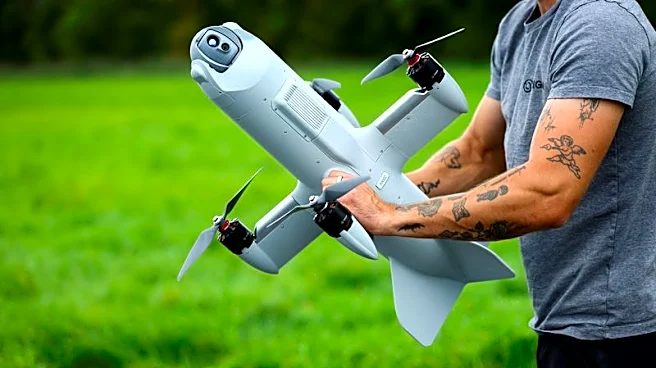
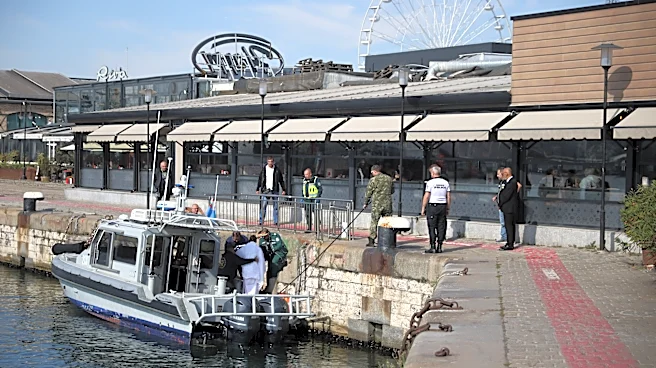
Romania is significantly enhancing its security measures along its eastern border, particularly in response to mounting threats and drone incursions. The country is currently testing new generation anti-drone defense systems in its Black Sea port of Constanța,
which are expected to be operational by the end of the year. These systems, acquired over several months, will be installed across four military ports on the Black Sea and the Danube, providing comprehensive coverage against aerial, sea, and underwater threats. This initiative follows incidents such as Romanian forces destroying a naval drone and repeated drone incursions into Romanian airspace. Concurrently, NATO is investing billions of euros to expand and modernize Romania's military infrastructure, fuel networks, and combat forces across its eastern region, recognizing the country's strategic importance for the alliance's eastern defense.
Why It's Important?
Romania's intensified defense efforts are crucial for strengthening NATO's eastern flank, a priority for the North Atlantic Alliance. The modernization of military infrastructure and the deployment of advanced anti-drone systems directly address the evolving nature of threats, including those from state actors and illicit activities. By securing its ports and airspace, Romania enhances its own national security and contributes significantly to the collective defense of NATO. This investment also has broader implications for regional stability, as a stronger Romanian defense acts as a deterrent against potential aggressors and helps maintain security in the Black Sea region. The focus on both conventional and unconventional threats, such as drone incursions and smuggling, demonstrates a comprehensive approach to national security that benefits the entire alliance.
What's Next?
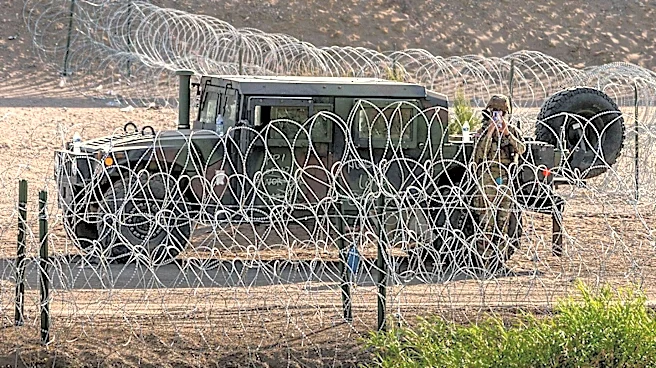
The anti-drone systems are expected to become fully operational by the end of the year, providing enhanced protection for key military and commercial ports. This deployment will likely be followed by continuous monitoring and adaptation of defense strategies as threats evolve. NATO's ongoing investments in Romania's military infrastructure will continue, further integrating Romania into the alliance's eastern defense architecture. Additionally, Romania is tightening border security against smuggled goods, with new regulations on what travelers can bring into the country from other EU states. This dual approach to security, addressing both military and economic vulnerabilities, suggests a sustained effort to fortify the country's borders and contribute to broader European security. Future developments may include further technological upgrades and increased international cooperation to counter emerging threats.
Beyond the Headlines
Romania's proactive measures extend beyond immediate defense to address deeper security risks, including the economic impact of smuggling. The new customs regulations, which introduce purchase frequency as a criterion for assessing personal consumption, aim to curb illicit trade that costs the state significant tax revenues. This highlights the interconnectedness of economic and national security, as smuggling infrastructure can also be used for human trafficking and organized crime, posing a vulnerability to the EU's external borders. The broader implication is that a robust national security strategy must encompass not only military defense but also economic resilience and effective law enforcement against illicit activities. Romania's efforts could serve as a model for other EU and NATO members facing similar multifaceted threats, emphasizing that security is a holistic challenge requiring integrated solutions.