

What's Happening?
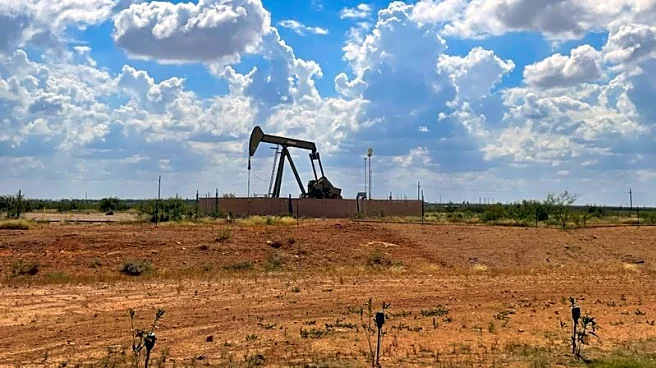
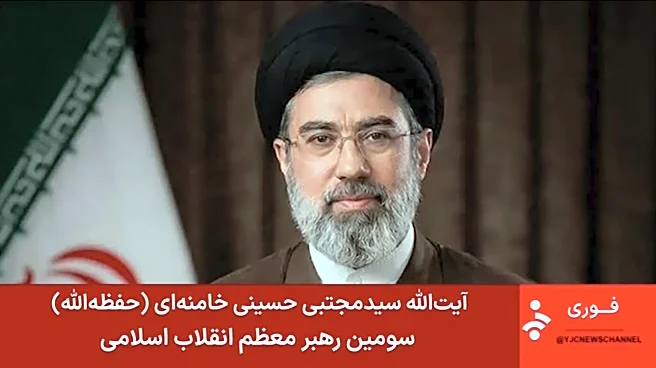
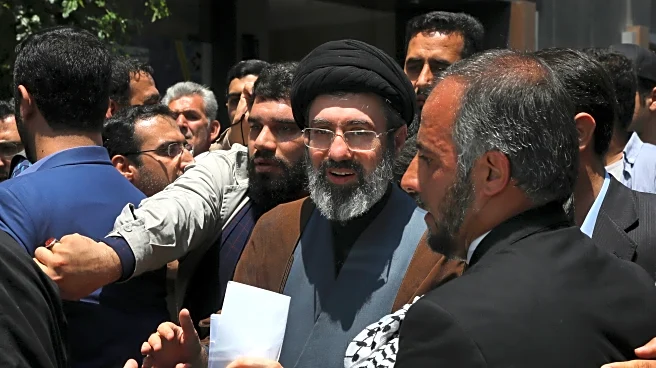
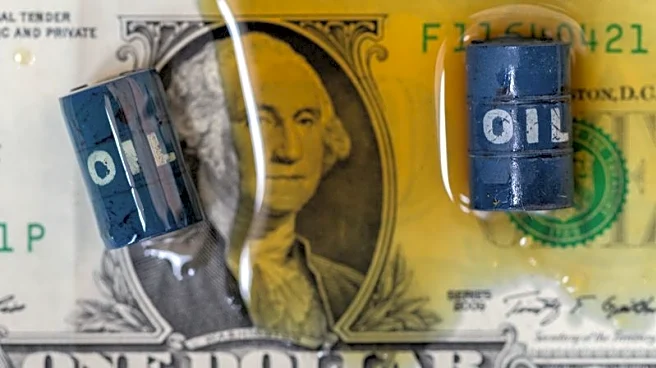
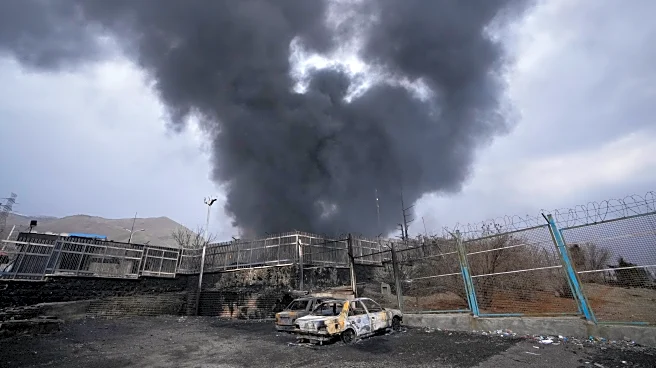
Oil prices have surged past $100 a barrel following Iran's appointment of Mojtaba Khamenei as the new supreme leader. This development comes amid ongoing military conflicts involving Iran, the U.S., and Israel. The conflict has led to significant disruptions
in oil supply, particularly affecting the Strait of Hormuz, a critical chokepoint for global oil shipments. The G7 finance ministers are reportedly preparing to discuss the release of emergency oil reserves to mitigate the impact of the price surge. The situation has also triggered a sell-off in global stock markets, raising concerns about potential stagflation.
Why It's Important?
The spike in oil prices is a critical concern for the global economy, as it could lead to increased inflation and economic instability. Countries heavily reliant on Middle Eastern oil imports, particularly in Asia, are vulnerable to supply disruptions. The situation underscores the geopolitical risks associated with the region and the potential for further economic fallout. The conflict and its impact on oil prices could also influence energy policies and strategic reserves management in affected countries.
What's Next?
The G7's potential release of emergency oil reserves could provide temporary relief to global markets. However, the ongoing conflict and its implications for oil supply security may prompt countries to reassess their energy strategies and seek alternative sources. The situation may also lead to increased diplomatic efforts to de-escalate tensions and stabilize the region. Monitoring the conflict's progression and its impact on global energy markets will be crucial for policymakers and economic stakeholders.