





What's Happening?
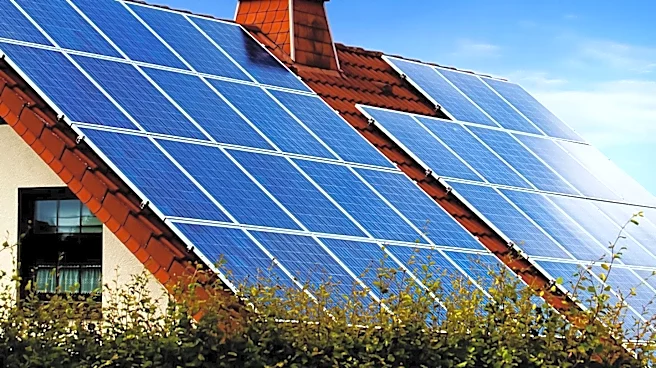
Homeowners in the U.S. can significantly reduce the cost of solar panel installations and other energy-efficient home improvements by utilizing federal tax credits, state programs, and utility rebates. The federal Residential Clean Energy Credit offers
a 30% tax credit on the total system cost for solar and battery storage. This credit can be combined with various local incentives, which may include additional rebates for specific energy-efficient upgrades like heat pumps, heat pump water heaters, and insulation. Eligibility for these programs often requires the property to be a primary residence in the U.S. where the owner resides for the majority of the year. Homeowners are advised to check specific income caps, residency rules, and product standards for each program to ensure compliance and maximize savings. It is also crucial to avoid 'double-dipping' on the same line-item expense across different incentive programs.
Why It's Important?
These incentives are crucial for promoting the adoption of renewable energy and energy-efficient technologies across the U.S., contributing to national energy independence and environmental goals. By lowering the upfront costs, these programs make sustainable home improvements more accessible to a broader range of homeowners, stimulating economic activity in the clean energy sector. The availability of stacked incentives can significantly improve the return on investment for homeowners, encouraging them to invest in upgrades that reduce long-term energy consumption and utility bills. This also supports the growth of related industries, such as solar installation, HVAC services, and manufacturing of energy-efficient appliances, creating jobs and fostering innovation. The emphasis on primary residences ensures that the benefits are directed towards long-term homeowners, encouraging stable community development and property value enhancement.
What's Next?
Homeowners planning energy-efficient upgrades should actively research available federal, state, and local programs by checking state energy offices and utility websites. It is recommended to gather all necessary documentation, including invoices, model numbers, and contractor certifications, as these are often required for applications. Consulting with a tax professional can help clarify how federal tax credits interact with other incentives and personal tax situations. As policies and available funds can change, staying informed about program deadlines and application windows is essential. The continued availability and potential adjustments to these incentives will likely influence the pace of renewable energy adoption and home energy efficiency improvements across the country.
Beyond the Headlines
The strategic layering of federal tax credits with state and local incentives highlights a coordinated effort to drive a national transition towards cleaner energy. This approach not only addresses individual household energy costs but also contributes to broader societal goals of reducing carbon emissions and enhancing grid stability. The complexity of navigating multiple incentive programs underscores the need for clear, accessible information and potentially streamlined application processes to ensure equitable access for all eligible homeowners. Furthermore, the focus on product standards and certified installers aims to ensure the quality and effectiveness of installations, preventing potential issues and maximizing the long-term benefits of these investments. This framework also implicitly encourages innovation in the energy efficiency market, as manufacturers strive to meet evolving standards to qualify for incentives.