



What's Happening?
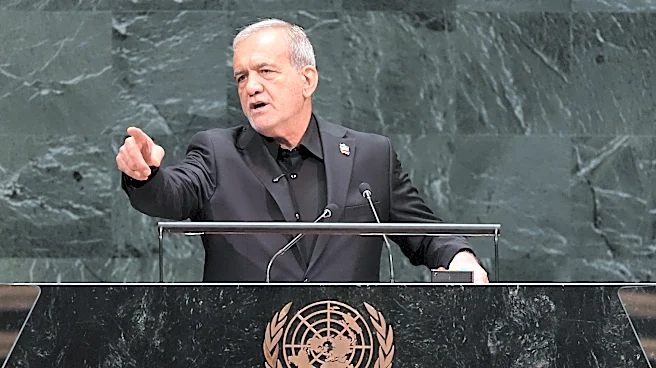
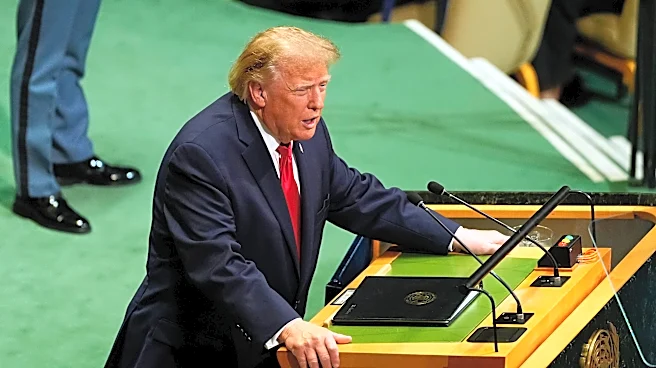
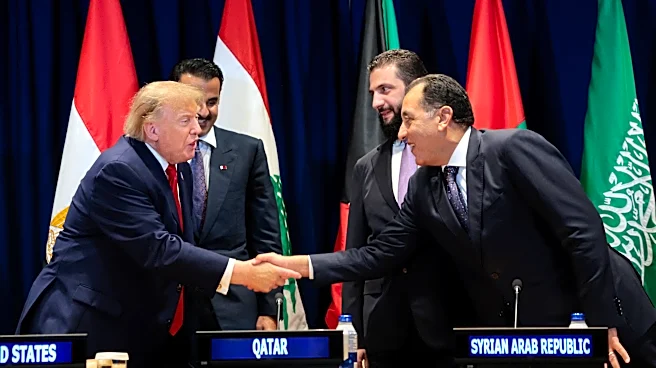
During the United Nations General Assembly (UNGA), President Trump issued a stark warning to Iran, threatening to 'annihilate' the nation. This aggressive rhetoric was delivered on the first day of the assembly. However, hours later, President Trump informed
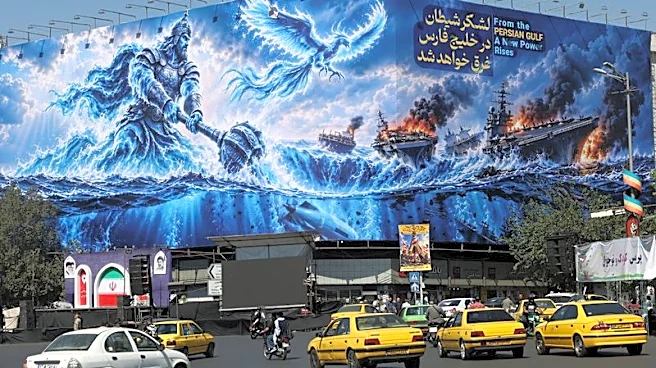
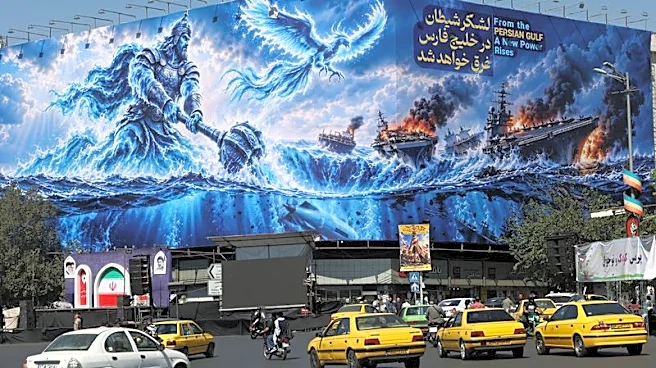
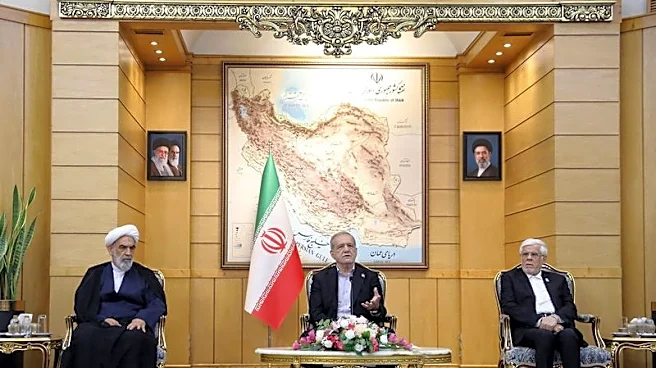
reporters that U.S. officials had a 'very good' meeting with Iranian leaders. In response to President Trump's threats, Iran's Armed Forces General Staff dismissed his remarks and warned of 'crushing' and more severe retaliatory attacks than those seen earlier in the conflict. Despite the escalating verbal exchanges, U.S. envoys Steve Witkoff and Jared Kushner met with Iranian Foreign Minister Abbas Araghchi for approximately three hours on the sidelines of the UNGA. This meeting marks the first in-person discussion between officials from both countries since U.S. Vice President JD Vance met with senior Iranian officials in Switzerland in June. President Trump described the meeting as 'very good' and expressed optimism for future discussions, noting 'a lot of momentum' towards an agreement. Iran's General Staff, in a statement carried by the Mehr news agency, accused the U.S. president of using the UN platform to justify 'aggression' and stated that such words demonstrate America's 'strategic dead end' in its aggression against the Iranian nation.
Why It's Important?
The simultaneous escalation of rhetoric and engagement in diplomatic talks between the U.S. and Iran highlights a complex and high-stakes geopolitical dynamic. This dual approach, characterized by public threats and private negotiations, is significant because it reflects a strategic effort by both nations to shape domestic and international perceptions while pursuing their objectives. For President Trump, the aggressive stance aims to project an image of strength and assert that any diplomatic progress is a result of U.S. pressure. Conversely, Iran's combative language seeks to demonstrate resilience and that it is negotiating from a position of leverage, not capitulation. The ongoing conflict has already impacted global markets, particularly with a spike in fuel prices in the U.S., which is a critical issue in upcoming elections. Sanctions imposed by Washington continue to strain Iran's economy, while the U.S. is concerned about navigation through the Strait of Hormuz and Iran's nuclear program. The rhetoric, while seemingly contradictory to diplomacy, serves as a bargaining tool, allowing both sides to maintain a tough image for their respective audiences while potentially creating political space for private compromises. The involvement of mediators like Qatar is crucial in navigating these incompatible demands and transforming them into reciprocal steps, rather than forcing one side to make the first move.
What's Next?
President Trump indicated that another meeting between U.S. and Iranian officials is expected 'in the very near future,' suggesting a continuation of diplomatic efforts despite the public animosity. The success of these future talks will likely hinge on addressing key demands from both sides: Iran seeks the lifting of economic sanctions and the naval blockade on its ports, while the U.S. demands free navigation through the Strait of Hormuz and an end to Iran's nuclear program. The role of mediators, such as Qatar, will remain critical in facilitating these discussions and finding common ground. However, the volatile rhetoric carries inherent risks; any major attack, significant U.S. casualties, an Israeli strike, or escalation from Yemen could quickly derail diplomatic progress and lead to further conflict. Both nations will continue to engage in a 'war over narratives,' attempting to convince their domestic and international audiences that they are negotiating from a position of strength. The sequencing of concessions will be a major challenge, as each side wants the other to make the first tangible move. The outcome of these ongoing interactions will significantly influence regional stability and global energy markets.
Beyond the Headlines
The interplay between aggressive public statements and private diplomatic engagements reveals a sophisticated strategy employed by both the U.S. and Iran to manage complex international relations. This approach, described as a 'war over narratives,' highlights the importance of perception and domestic political considerations in foreign policy. For President Trump, the 'annihilate' threat could be interpreted as a tactic to appease a hawkish domestic base and project an image of decisive leadership, while simultaneously opening channels for negotiation. For Iran, the 'crushing attacks' warning serves to bolster national pride and demonstrate defiance against perceived external pressures, crucial for maintaining internal cohesion. This dynamic underscores a broader trend in international diplomacy where public posturing often masks more pragmatic, behind-the-scenes negotiations. The ethical implications of such rhetoric are significant, as it can heighten global tensions and increase the risk of miscalculation, even if the ultimate goal is de-escalation. The long-term shift could be towards a new form of diplomacy where public threats become an integral, albeit dangerous, part of the bargaining process, making it harder for the international community to discern genuine intent from strategic bluster. This situation also highlights the enduring challenge of balancing national interests with the imperative of global peace and stability.